
How Tomb Raider: Legacy of Atlantis Reimagines the Past Into a Vibrant Future
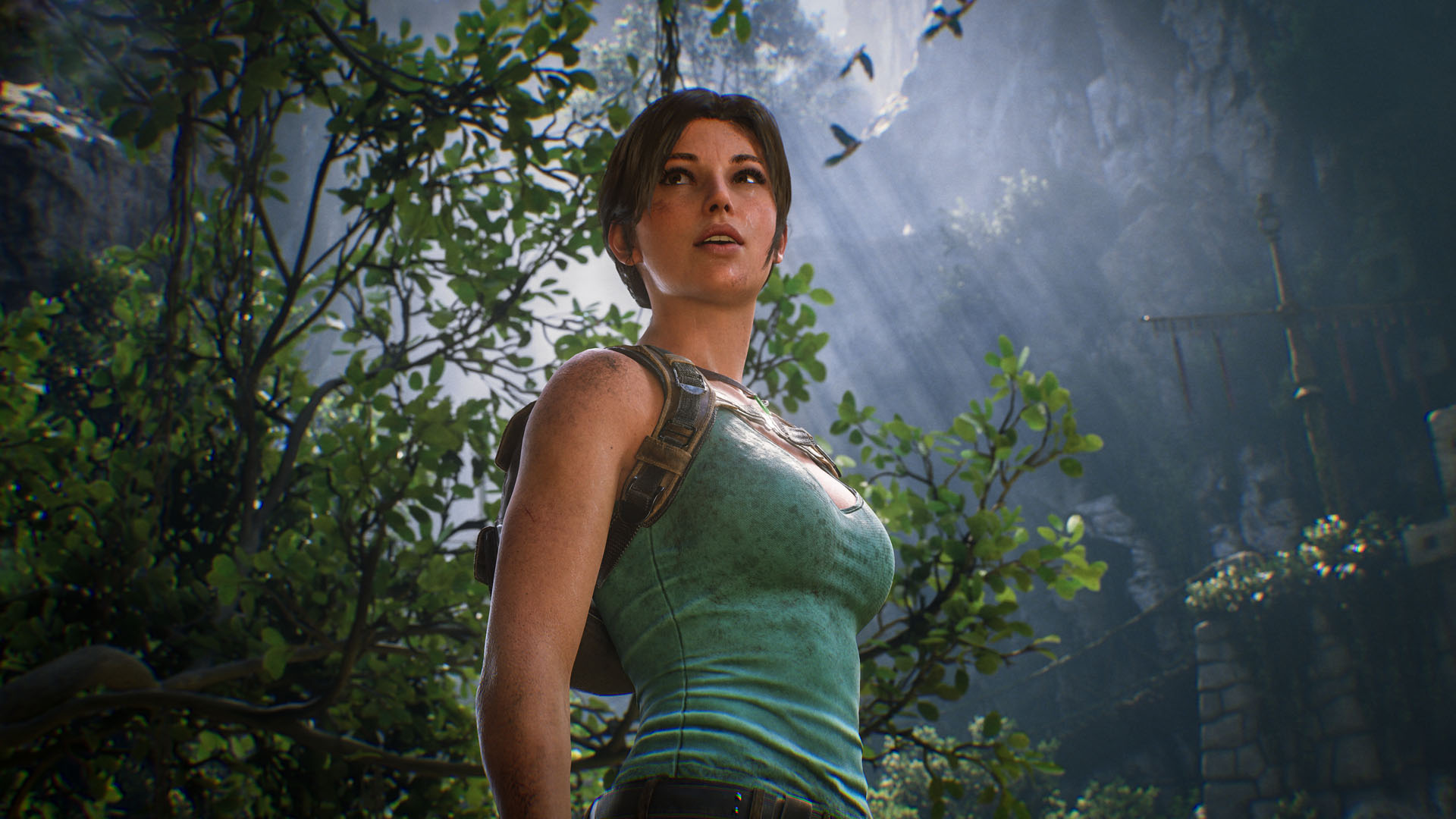
- Game: Tomb Raider: Legacy of Atlantis
- Developer: Flying Wild Hog and Crystal Dynamics
- Release Date: February 12, 2027
- Platforms: PC, PlayStation 5, Xbox Series S/X
How Tomb Raider: Legacy of Atlantis reimagines the past into a vibrant future is the core question facing players as they prepare for the 2027 launch of this action-adventure title. Developed through a collaboration between Flying Wild Hog and Crystal Dynamics, the game serves as a bridge between the original 1996 title and the modern Survivor trilogy. It is scheduled for release on February 12, 2027, across PC, PlayStation 5, and Xbox Series S/X platforms.
Understanding the Tomb Raider: Legacy of Atlantis Reimagining
The original 1996 Tomb Raider established the cinematic action-adventure genre, and Tomb Raider: Legacy of Atlantis intends to honor that heritage while modernizing the experience for contemporary hardware. This project is not a simple remaster; it is a full-scale reimagining. By combining the expertise of Flying Wild Hog, known for the Shadow Warrior series, with Crystal Dynamics, the studio responsible for the recent origin story trilogy, the developers aim to blend classic exploration with modern mechanics.
The narrative continues the journey of Lara Croft as established in Tomb Raider (2013), Rise of the Tomb Raider (2015), and Shadow of the Tomb Raider (2018). While the character remains consistent with the Survivor trilogy, the game introduces a new voice performance by Alix Wilton Regan. This casting choice marks a shift in the portrayal of Lara, aligning with the project's goal of presenting a fresh, more vibrant version of the iconic raider.
Development and Collaboration Details
The collaboration between Flying Wild Hog and Crystal Dynamics represents a significant logistical effort in the industry. Crystal Dynamics brings its deep knowledge of the franchise's modern mechanics and narrative tone, while Flying Wild Hog contributes its experience in high-octane action design. This partnership ensures that the game maintains the grounded realism of the Survivor trilogy while introducing more expressive, saturated visual fidelity.
During recent demonstrations at Summer Game Fest: Play Days, the focus was placed on the early levels set in the Lost Valley of Peru. The development team has updated the environment to be more organic and detailed than previous iterations. Players will engage in classic puzzle-solving, such as locating and arranging gears to access the Tomb of Qualopec, alongside various optional secrets and collectibles designed to reward thorough exploration.
Visual Fidelity and Combat Mechanics
A primary distinction in Tomb Raider: Legacy of Atlantis is its visual presentation. While the Survivor trilogy was recognized for its gritty, grounded aesthetic, this new title adopts a more saturated color palette. The goal is to provide a "technicolor realism" that feels larger and more dramatic without resorting to stylized or exaggerated graphics. This transition is evident in scenes such as Lara emerging from a waterfall, where the environment is designed to appear lush and expansive.
Combat has also received a significant update. The game introduces a Focus meter that allows Lara to enter a state of bullet time. During this phase, time slows down, enabling the player to perform acrobatic maneuvers and fire dual pistols with high speed. This addition contrasts with the more grounded combat of the previous trilogy, offering players a more stylized and fluid approach to encounters, such as those against dinosaurs in the Lost Valley. For more updates on the franchise, check out our Tomb Raider coverage at In Game News.
Gameplay Features and Expectations
The gameplay loop centers on a balance between traversal, environmental puzzle-solving, and combat. The integration of Tomb Raider: Legacy of Atlantis into the existing canon means that long-time fans will see familiar locations reimagined through the lens of modern engine capabilities. The inclusion of optional collectibles and secrets encourages players to explore every corner of the environments, which are reported to be more dense and interactive than in earlier entries.
The shift toward a more vibrant aesthetic is intended to distinguish this title from the darker tones of the previous trilogy. By increasing the saturation and scale of the environments, the developers are creating a distinct visual identity that pays homage to the original game's sense of wonder while utilizing the processing power of the PlayStation 5 and Xbox Series S/X. As we continue our gaming news coverage, we will monitor how these mechanics translate to the full release.
Frequently Asked Questions
Is Tomb Raider: Legacy of Atlantis a remake or reboot?
Tomb Raider: Legacy of Atlantis is a reimagining of the original 1996 game that continues the narrative arc established in the recent Survivor trilogy.
Who is developing Tomb Raider: Legacy of Atlantis in 2026?
The game is being developed through a collaboration between Flying Wild Hog and Crystal Dynamics.
When is the release date for Tomb Raider: Legacy of Atlantis?
Tomb Raider: Legacy of Atlantis is scheduled for release on February 12, 2027, for PC, PlayStation 5, and Xbox Series S/X.