
Is the Gaming Culture War Well Is Running a Little Dry By Mike Drucker 2026?
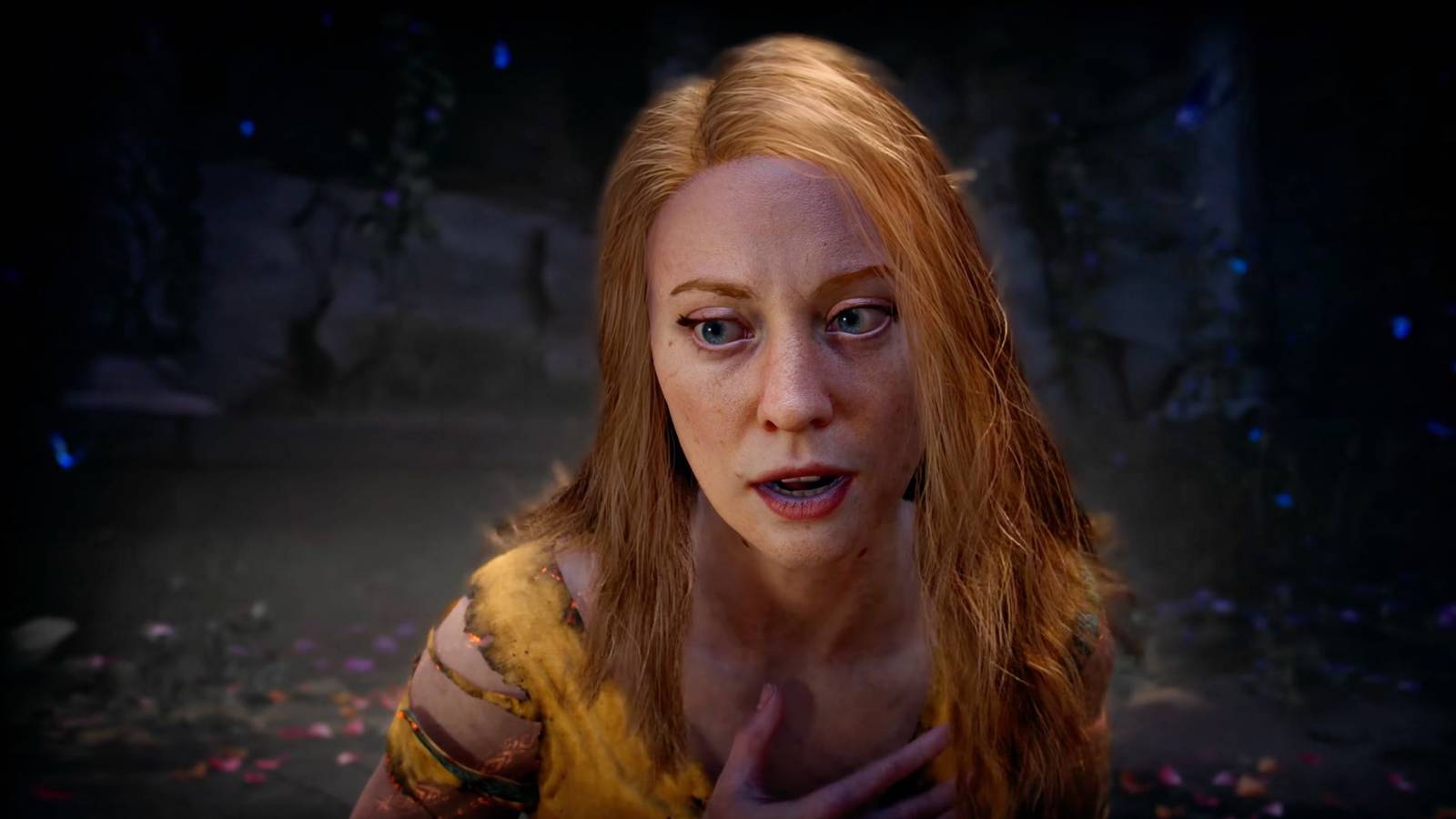
- Game: God of War Laufey
- Platform: PlayStation 5
- Genre: Adventure, Action
- Release Status: TBA
The gaming culture war well is running a little dry according to industry observer Mike Drucker, published Jun 7, 2026, who notes a shift in how audiences engage with modern software discourse. As the industry moves forward, questions regarding whether the video game culture war is dying in 2026 have become central to understanding how titles like God of War Laufey are received by the public.
Why Are Video Game Culture Wars Losing Momentum?
The phenomenon of the gaming culture war has long been a fixture of internet discourse, yet the intensity appears to be waning. Historically, these conflicts have centered on everything from the artistic choices in remasters to the inclusion of specific features like pronoun selection. However, as we move through 2026, there is a palpable sense that the outrage cycle has become predictable. The industry has seen decades of manufactured controversy, ranging from moral panics over Mortal Kombat to debates over the aesthetics of summoned creatures in older titles.
One factor contributing to this shift is the realization that outrage has become a business model. There is significant financial incentive for content creators to maintain a state of constant anger, as it allows them to build an audience that is eager to hear what they should avoid purchasing. By framing these critiques as a moral battle against vague "politics," these figures can sustain engagement. Yet, as noted in our coverage here at In Game News, the public is beginning to recognize the repetitive nature of these cycles.
The current state of gaming industry discourse in 2026 is defined by a feeling that the outrage is forced. Instead of organic community reactions, we are seeing a trend where observers can almost identify the "outrage factories" trying to determine which upcoming title will serve as the next target. This artificiality is stripping the culture war of its perceived authenticity, leading to a decline in its overall impact on the broader player base.
God of War Laufey Development News and Industry Analysis
Amidst this shifting environment, high-profile titles continue to capture attention. God of War Laufey, developed for the PlayStation 5, serves as a significant case study for how games are positioned in the current market. Rather than functioning as a direct sequel, the project is structured as a companion piece to the existing narrative. Players will follow Faye as she works to save Kratos and Atreus from the afterlife, providing a unique perspective on the established God of War franchise.
The development of God of War Laufey highlights the industry's focus on expanding existing intellectual property through character-driven side stories. By shifting the focus to Faye, the developers can explore themes of sacrifice and legacy without needing to adhere to the traditional sequel structure. This approach is common in modern game design, where studios look to maximize the utility of their established worlds while offering fresh gameplay experiences.
Industry analysts have noted that the success of such projects often depends on their ability to stand on their own merits rather than relying on the surrounding discourse. As the gaming culture war loses momentum, the focus is increasingly returning to the quality of the gameplay, the narrative depth, and the technical performance of the software on platforms like the PlayStation 5. For more on how major studios are navigating these trends, you can explore our industry trends coverage.
The Impact of Discourse on Game Sales
The question of how the gaming culture war impacts game sales remains a point of contention. While there is no doubt that viral outrage can generate significant visibility for a title, it does not always translate into sustained commercial success or critical acclaim. The fatigue felt by the average consumer is a significant variable. When the industry discourse feels like a constant loop of manufactured grievances, many players choose to ignore the noise and focus on their personal gaming preferences.
The financial viability of a game in 2026 is increasingly tied to its ability to foster a community that values the experience of playing the game itself. The most successful titles are those that provide a sense of connection, whether through thought-provoking storytelling or engaging mechanics. When a game is marketed primarily through the lens of a culture war, it risks alienating the core audience that is looking for a high-quality interactive experience.
Furthermore, the "both sides" argument that often accompanies these debates is becoming less relevant. While some critics admit to having participated in past online negativity regarding specific game features, the current climate suggests a move toward a more pragmatic view of art. Players are increasingly prioritizing their own enjoyment over the demands of online commentators who may not even be interested in playing the titles they criticize.
Frequently Asked Questions
What is the current state of gaming industry discourse in 2026?
The current state of gaming industry discourse in 2026 suggests that the traditional culture war is losing momentum, with much of the online outrage appearing forced or manufactured.
How does the gaming culture war impact game sales?
The gaming culture war primarily impacts sales by creating a niche market for influencers who monetize anger, though there is evidence that the broader audience is becoming fatigued by these manufactured controversies.
What is God of War Laufey?
God of War Laufey is an upcoming action-adventure game for the PlayStation 5 that serves as a companion piece to the main series, focusing on Faye's journey to save Kratos and Atreus.
Join the conversation