Article by Mohammad Rauf • Senior Writer, In Game News …

Lenovo Legion 7a Integrates Audioscenic 3D Beamforming for 2026 PC Gaming
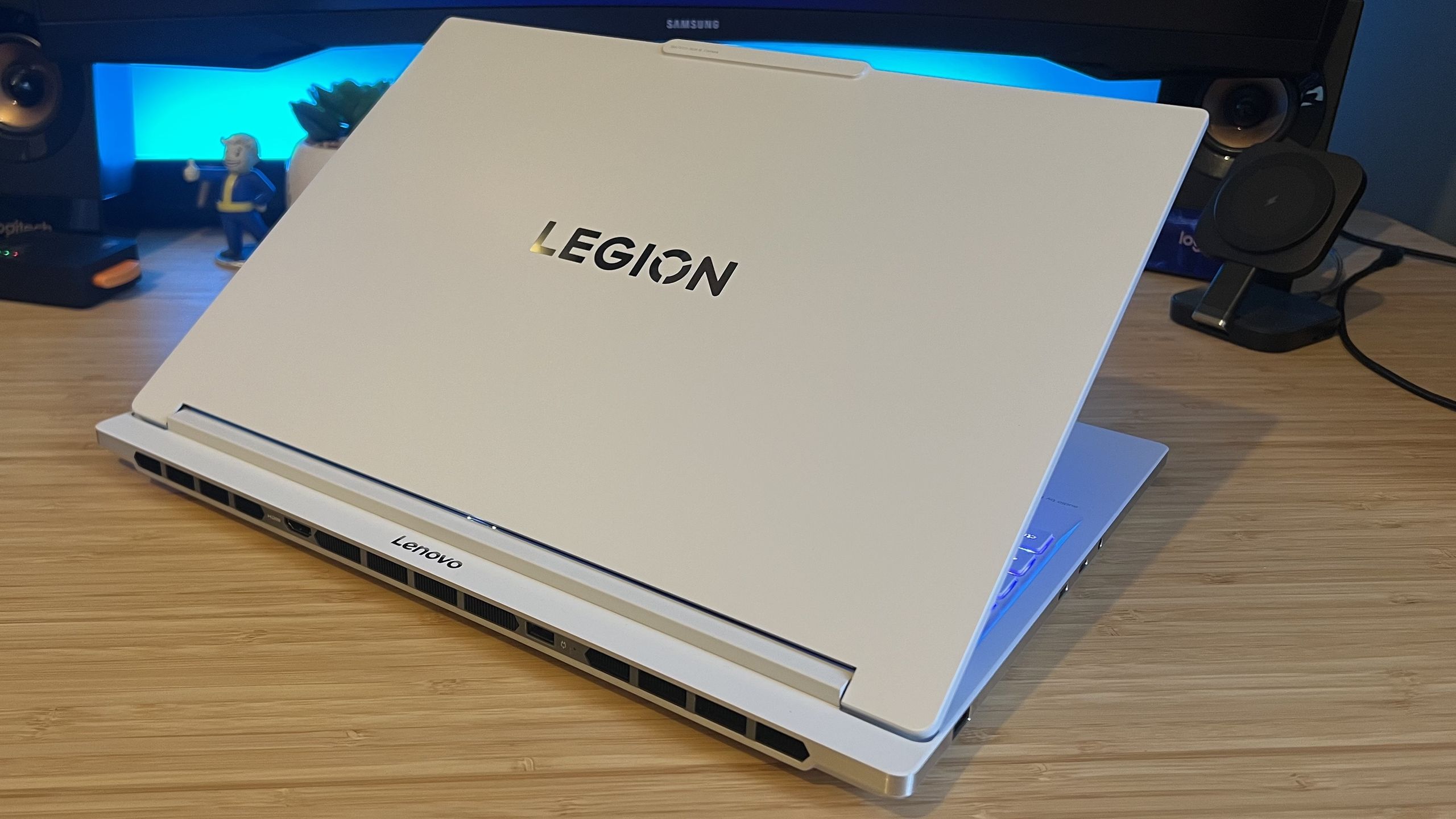
⚡ Quick Facts
- Device: Lenovo Legion 7a
- Audio Partner: Audioscenic
- Release Date: June 2026
- Technology: 3D Beamforming Spatial Audio
Finding the best settings for your audio experience on PC is often a challenge, but the new Lenovo Legion 7a aims to simplify this by integrating Audioscenic 3D beamforming technology. While players often search for an optimized settings or high FPS guide to ensure their hardware performs at its peak, the auditory component of gaming has frequently been relegated to a secondary concern, often requiring a headset to overcome the intrusive sound of internal cooling fans. Lenovo’s latest collaboration with Audioscenic seeks to address this by providing a spatial audio solution built directly into the chassis of the Legion 7a, which is scheduled to ship in June 2026.
Understanding Audioscenic 3D Beamforming on Lenovo Legion 7a
The core of this partnership centers on how Lenovo Legion 7a Audioscenic partnership details 2026 will manifest for the end user. According to the official documentation provided by the companies, the technology is designed to manipulate sound waves to create a wide, three-dimensional soundstage. By using beamforming, the speakers are intended to project audio that appears to exist outside the physical dimensions of the laptop. This approach is intended to provide a more immersive experience for players who prefer not to wear a headset during long gaming sessions, potentially reducing the physical fatigue associated with wearing heavy audio gear.
For those tracking the latest hardware developments, this move represents a departure from Lenovo’s previous reliance on external audio brands like Harman for virtual surround sound. By bringing this proprietary beamforming tech into the Legion 7a, Lenovo is experimenting with a more integrated approach to internal audio. Whether this will replace the need for traditional directional audio solutions remains a primary point of interest for our coverage at In Game News.
The Challenge of Fan Noise and Spatial Audio
One of the most persistent issues in portable gaming is the conflict between high-performance hardware and audio clarity. When a system is pushed to its maximum thermal design power (TDP), the fans must spin at high revolutions to prevent thermal throttling. This creates a significant amount of ambient noise that can easily drown out subtle directional cues in games. A critical question for potential buyers is: is the Lenovo Legion 7a 3D sound tech effective against fan noise?
While modern gaming laptops have become more efficient due to advancements in CPU and GPU power management over the last year, the reality of physics remains. Even with better thermal efficiency, running demanding titles at high settings will inevitably cause fans to ramp up. The success of Audioscenic’s implementation will depend on its ability to maintain soundstage integrity despite the constant whirr of the cooling system. Players who typically rely on noise-canceling headsets to isolate game audio from fan noise may find this a difficult barrier to overcome, even with advanced spatial processing.
Official Audio Features and Integration
The official audio features of the new Lenovo Legion 7a are focused on software-driven spatial processing. By utilizing the Audioscenic beamforming algorithms, the laptop attempts to solve the long-standing issue where laptop speakers sound flat or distorted when the volume is increased. In the past, increasing the volume on a gaming laptop to hear footsteps or environmental audio often resulted in a messy, distorted output that lacked any sense of directionality.
For users wondering how does Lenovo Legion 7a spatial audio work without a headset, the system relies on the physical arrangement of the speakers combined with the beamforming software. By controlling the timing and phase of the sound output, the device can theoretically direct audio toward the user’s ears more effectively than traditional stereo speakers. This is particularly relevant for players who play in environments where they cannot or do not wish to wear a headset, such as in shared living spaces or during extended travel.
Comparison of Audio Solutions
To better understand where the Legion 7a sits in the current market, we have outlined the standard approaches to laptop audio below:
| Technology Type | Method | Primary Limitation |
|---|---|---|
| Standard Stereo | Left/Right channel output | Lack of depth and directionality |
| Virtual Surround | Software-based processing | Often sounds muddy at high volumes |
| Audioscenic Beamforming | Phase-controlled projection | Susceptibility to ambient fan noise |
As we continue to monitor the PC gaming industry, we note that the Legion 7a will be the first device to feature this specific implementation. While pricing and final technical specifications are still pending, the inclusion of this technology suggests that Lenovo is prioritizing the "out-of-box" experience for users who want a premium audio setup without additional peripherals. We will provide updates as more information becomes available regarding the specific software controls available to users.
Frequently Asked Questions
What is Audioscenic 3D beamforming technology on Lenovo Legion 7a?
Audioscenic 3D beamforming is a spatial audio technology that creates a three-dimensional soundstage appearing to extend beyond the physical boundaries of the laptop.
How does Lenovo Legion 7a spatial audio work without a headset?
The system uses beamforming technology to project sound in a way that simulates a wide, 3D sound environment, removing the requirement for a dedicated gaming headset.
Is the Lenovo Legion 7a 3D sound tech effective against fan noise?
While the technology aims to provide spatial audio, its effectiveness against fan noise remains to be seen, as high-TDP gaming loads often generate significant acoustic output.