
Mega Man Revival: How Capcom Strategy Shifts Digital Sales in 2026
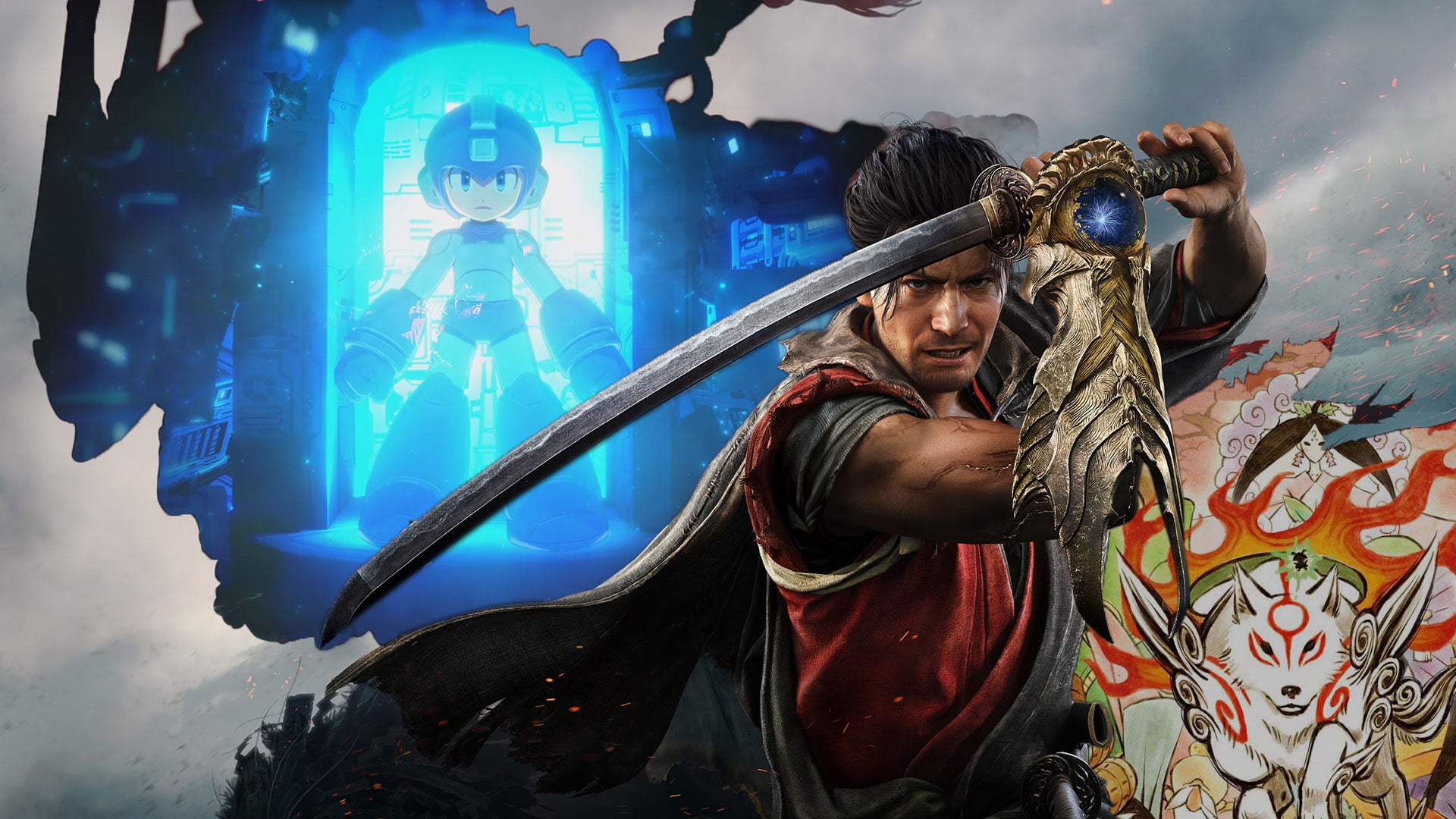
- Game: Mega Man
- Developer: Capcom
- Original Release: 1987-12-17
- Platforms: Multi-Platform (iOS, Android, Nintendo 3DS, PlayStation, Wii U, Wii, NES)
While the industry observes the final content cycles of titles like Destiny 2 and The Final Shape from Bungie, the broader market landscape is shifting toward the revitalization of classic intellectual properties on hardware like the PlayStation 5 and the PS5 Pro. As reported by In Game News, the strategy for reviving dormant IPs in 2026 has become a central pillar for major publishers, with Capcom utilizing digital sales data to inform the return of the iconic Mega Man franchise. By analyzing how digital sales helped Capcom revive Mega Man, we can see a clear trend in how legacy developers are navigating the transition to modern console ecosystems.
Capcom Strategy for Reviving Dormant IPs in 2026
The year 2026 has marked a significant turning point for Capcom as the company leans into its extensive back catalog. The core of the Capcom strategy for reviving dormant IPs in 2026 relies on a data-driven approach that prioritizes digital storefront performance. By monitoring the ongoing interest in classic titles across various platforms, including the PlayStation 5, the publisher has identified which franchises maintain the strongest brand equity among both legacy fans and new players.
This approach is not merely about re-releasing old code. Instead, it involves a calculated effort to modernize access to these games. The Capcom digital sales impact on Mega Man franchise metrics have shown that when these games are made readily available on current hardware, they consistently outperform expectations. This data provides the internal justification needed to move forward with more substantial projects, effectively turning digital storefronts into testing grounds for future development.
Why Did Capcom Focus on Digital Sales for Mega Man?
The decision to prioritize digital distribution for Mega Man stems from the need for high-fidelity user data. In the current market, physical retail space is increasingly limited, and digital platforms provide a direct line of communication between the developer and the consumer. By focusing on digital sales, Capcom can track regional interest, peak engagement times, and platform-specific performance with greater accuracy than ever before.
Furthermore, digital sales allow for a more agile release schedule. Rather than coordinating complex global shipping logistics, the developer can deploy updates, patches, and new titles simultaneously across multiple regions. This is particularly relevant for the Mega Man series, which has historically maintained a dedicated following across diverse regions. You can find more updates on our Capcom news hub regarding how these distribution shifts affect regional availability.
The Role of Multi-Platform Accessibility
Accessibility is the cornerstone of the 2026 gaming market. With high-performance hardware like the PS5 Pro setting new standards for graphical fidelity and load times, bringing legacy titles to these platforms requires careful optimization. Capcom has ensured that the Mega Man series remains compatible with a wide range of devices, from mobile platforms like iOS and Android to high-end home consoles. This cross-platform availability ensures that the barrier to entry remains low, allowing the franchise to reach the widest possible audience.
Data-Driven Development Cycles
The impact of these digital sales figures extends into the development studio itself. When a title shows sustained digital growth, it signals to stakeholders that the intellectual property is viable for further investment. This has been a recurring theme in our industry analysis coverage, where we have tracked how companies move from simple ports to full-scale modernizations based on digital performance indicators.
Market Comparisons and Industry Context
The gaming industry is currently experiencing a period of intense competition. As players move away from subscription-heavy models—partially due to the backlash surrounding price hikes for services like Xbox Game Pass—there is a renewed interest in ownership and individual title purchases. This shift has inadvertently favored the Capcom strategy for reviving dormant IPs in 2026, as players look for high-quality, standalone experiences.
Below is a breakdown of how different market factors are currently influencing the return of classic franchises:
- Consumer Preference: A move toward individual game purchases over subscription services.
- Platform Hardware: The utilization of PlayStation 5 and PS5 Pro capabilities to enhance legacy gameplay.
- Digital Analytics: Using real-time sales data to greenlight future development.
- Global Reach: Removing regional barriers through unified digital storefronts.
While titles like Destiny 2 are reaching their conclusion, the industry is seeing a cycle where older, established franchises are being brought back to fill the void. The Mega Man series, with its history dating back to 1987, serves as a prime example of how a well-managed IP can be successfully reintroduced to a modern audience. The focus on digital sales ensures that the franchise remains financially sustainable while providing the developer with the necessary feedback to refine the user experience.
The Future of Legacy Franchises
As we look toward the remainder of 2026, the question of what dormant Capcom IPs are returning in 2026 remains a primary topic of discussion among industry analysts. If the current trajectory for Mega Man continues, it is highly probable that other classic series will follow a similar path. The success of this digital-first strategy provides a template for other publishers who are currently sitting on vast libraries of intellectual property.
The shift is not just about the games themselves, but about the infrastructure supporting them. Modern players expect seamless integration, cloud saves, and performance parity across devices. By meeting these expectations through digital-first releases, Capcom has managed to keep the Mega Man brand relevant in a market that is often obsessed with the latest, highest-budget releases. This approach highlights a sustainable model for long-term growth that does not rely solely on the success of a single, massive project.
Frequently Asked Questions
How did digital sales help Capcom revive Mega Man?
Digital sales provided Capcom with the necessary data on player engagement and market demand, allowing them to justify the resource allocation required to bring the Mega Man franchise back to modern platforms.
What dormant Capcom IPs are returning in 2026?
In 2026, Capcom has focused its revival efforts on several classic franchises, with Mega Man leading the charge alongside other historically significant titles that have seen increased digital storefront performance.
Why did Capcom focus on digital sales for Mega Man?
Capcom prioritized digital sales for Mega Man to maximize global accessibility across multiple platforms and to gather precise analytics on user interest, which informs their long-term strategy for dormant IP management.