Article by Mohammad Rauf • Senior Writer, In Game News …

NVIDIA Launches RTX Spark Laptop SoC for 2026 PC Market
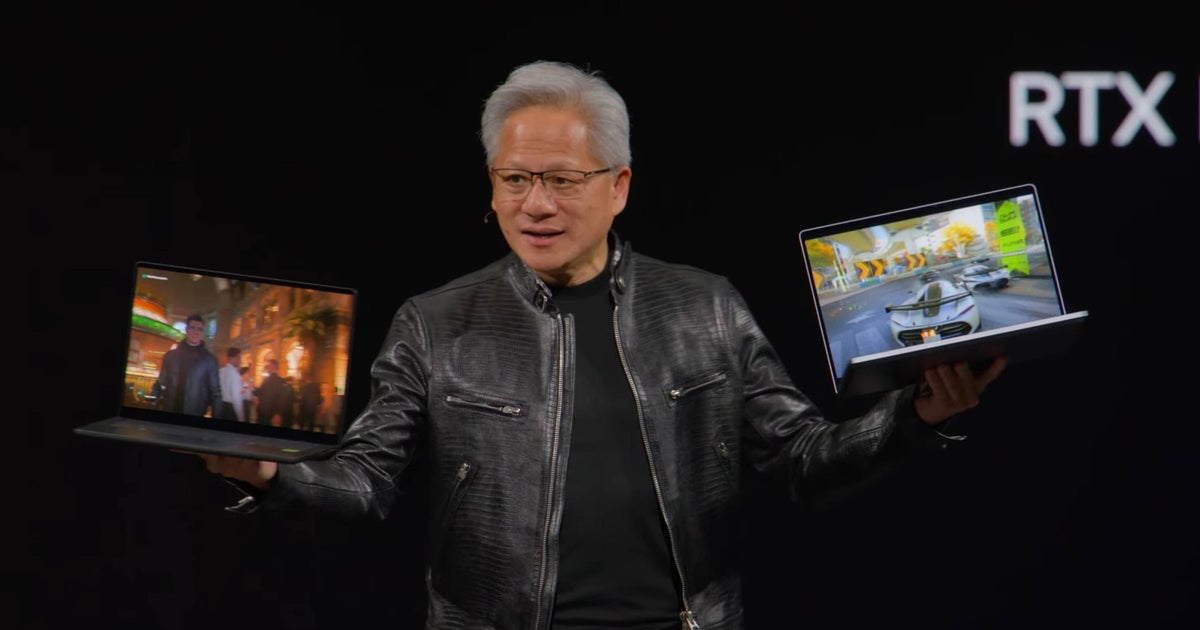
⚡ Quick Facts
- Product: Nvidia RTX Spark
- Developer: Nvidia Corporation
- Architecture: Blackwell
- Launch Window: Autumn 2026
NVIDIA has officially entered the CPU market with the announcement of the RTX Spark, a fully integrated System on a Chip (SoC) designed for thin and light laptops, arriving in Autumn 2026. This new hardware integrates graphics technology derived from the same Blackwell architecture found in the standalone GeForce RTX 5090 and the broader GeForce RTX 50 series of desktop graphics cards, marking a shift in how Nvidia approaches mobile computing.
Understanding the Nvidia RTX Spark Blackwell Architecture Features
The core of the RTX Spark SoC is its graphics processor, which brings high-end features previously reserved for discrete desktop GPUs to the integrated laptop market. By utilizing the Blackwell architecture, the chip supports a suite of proprietary Nvidia technologies that aim to improve gaming visuals and performance efficiency. These features include DLSS 4.5 upscaling, Multi-Frame Generation, ray tracing, Reflex, and G-Sync. For PC users, this represents a significant departure from traditional integrated graphics, which have historically lacked support for these advanced rendering and latency-reduction tools.
In our coverage at In Game News, we have tracked the evolution of these technologies. While previous generations of integrated graphics often struggled with modern AAA titles, the RTX Spark is designed to handle demanding workloads. According to official specifications, the chip includes a 20-core CPU and supports up to 128GB of unified RAM. Nvidia claims the SoC is capable of running AAA games at 1440p resolution while maintaining frame rates exceeding 100 frames per second when utilizing the full stack of DLSS, ray tracing, and Reflex features.
Nvidia RTX Spark Laptop Processor Release Date 2026 and Manufacturer Support
The market availability for devices powered by the RTX Spark is set for Autumn 2026. Nvidia has confirmed partnerships with several major original equipment manufacturers (OEMs) to ensure a wide range of hardware options at launch. The confirmed list of manufacturers includes:
- Acer
- Asus
- Dell
- Gigabyte
- HP
- Lenovo
- Microsoft
- MSI
These companies are expected to integrate the SoC into various thin and light laptop designs. Beyond standard notebook form factors, Nvidia has also confirmed that Spark-based mini PCs, similar in concept to Steam Machines, are currently in development. This expansion suggests that Nvidia intends to compete directly with other all-in-one processor solutions currently dominating the handheld and small-form-factor PC market.
Comparing RTX Spark Performance Against AMD and Intel Alternatives
The introduction of the RTX Spark creates a new competitive dynamic against existing AMD and Intel mobile processors. Historically, Nvidia graphics features like Reflex anti-lag and G-Sync tear smoothing have been exclusive to setups utilizing a discrete GPU. By consolidating this functionality into a single SoC, Nvidia aims to eliminate the need for bulkier, power-intensive hardware configurations. The following table outlines the key technical advantages offered by the RTX Spark architecture compared to standard integrated graphics solutions:
| Feature | Nvidia RTX Spark Support | Typical Integrated Graphics |
|---|---|---|
| DLSS 4.5 Upscaling | Yes | No |
| Multi-Frame Generation | Yes | No |
| Reflex Anti-Lag | Yes | No |
| Ray Tracing | Yes | Limited |
Economic Considerations and Market Impact
While the performance metrics provided by Nvidia are notable, the cost of implementing the RTX Spark remains a factor for consumers. As a high-performance part, the SoC is not positioned as a budget-conscious option. Industry analysts suggest that the inclusion of the RTX Spark will likely increase the retail price of laptops, potentially challenging the traditional economic value proposition of choosing integrated hardware over discrete component builds. For more details on the shifting hardware market, see our PC hardware coverage.
Furthermore, the ongoing volatility in the PC component market, which has been partially influenced by the high demand for AI-capable hardware, could impact the initial supply of RTX Spark-equipped devices. Nvidia has emphasized the SoC’s capability for agentic AI work, which aligns with their broader corporate strategy. However, for the gaming community, the focus remains on whether the real-world benchmarks will match the performance claims of 1440p gaming at high frame rates once the hardware reaches the consumer market in late 2026.
Frequently Asked Questions
What is the Nvidia RTX Spark SoC for laptops?
Nvidia RTX Spark is a fully integrated System on a Chip (SoC) designed for thin and light laptops, combining a 20-core CPU with Blackwell-based graphics.
When is the Nvidia RTX Spark laptop launch window?
The Nvidia RTX Spark laptop launch window is scheduled for Autumn 2026, with major manufacturers including Acer, Asus, and Dell confirmed to release models.
Does Nvidia RTX Spark support DLSS 4.5 and frame gen?
Yes, the RTX Spark SoC supports Nvidia graphics technologies including DLSS 4.5 upscaling, Multi-Frame Generation, ray tracing, Reflex, and G-Sync.