
Retro Gaming Habits Only Older Gamers Will Remember in 2026
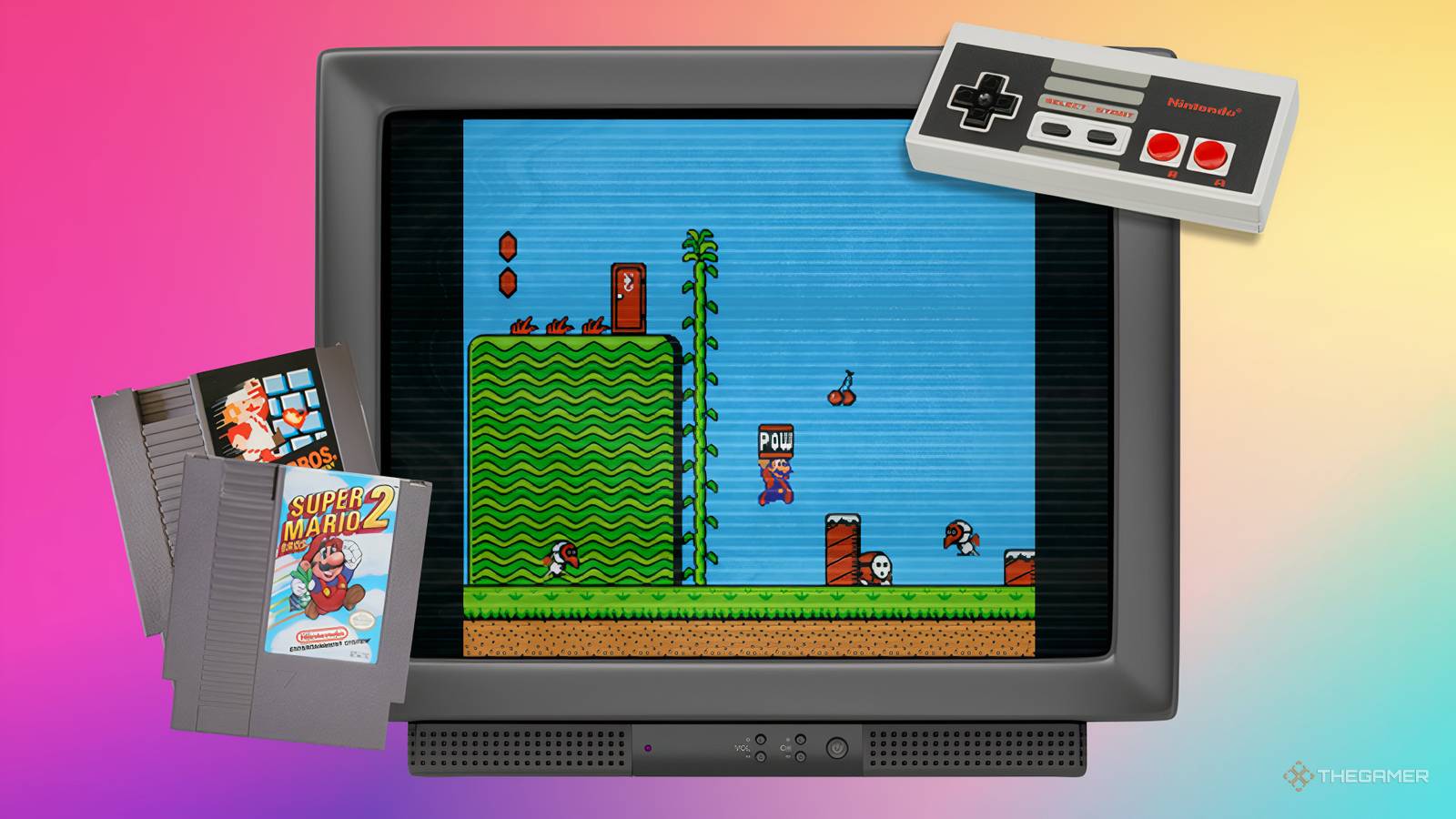
- Topic: Evolution of gaming habits and retro culture
- Perspective: Industry analysis on millennial gaming trends
- Primary Focus: Transition from manual discovery to digital assistance
- Context: 2026 gaming environment vs. 90s golden era
The release date for many modern titles often triggers a digital pre-load cycle, a stark contrast to the physical midnight launches that defined the experiences of the past. As we analyze the industry in 2026, it is clear that gaming habits only older gamers will remember are rapidly disappearing, shifting the way players interact with software. These nostalgic gaming habits only 90s kids remember represent a period where technology and community interaction functioned differently than today’s connected, guide-heavy environment.
The Shift in Retro Gaming Culture and Habits of Millennial Gamers
As In Game News continues our coverage of industry trends, we observe that the transition from physical media to digital-first distribution has fundamentally altered player behavior. While modern conveniences like instant patches and digital libraries offer efficiency, the retro gaming culture and habits of millennial gamers were built on limitations that forced a different type of engagement. The current era, dominated by high-speed connectivity, has largely eliminated the friction that once defined the golden era of gaming.
Many players are now questioning why do older gamers miss the golden era of gaming. The answer often lies in the social dynamics of the 1990s. Without the internet as a constant companion, players relied on local social networks—siblings, friends, or schoolmates—to progress through difficult titles. This social dependency created a shared experience that is increasingly rare in 2026, where individual players can access a walkthrough for any specific puzzle within seconds.
The Evolution of Problem Solving
One of the most significant changes in how did gaming habits change from the 90s to 2026 involves the approach to in-game puzzles. In the 90s, players were frequently required to spend hours, or even days, deciphering complex mechanics in titles like The Legend of Zelda: Majora's Mask. This process was not merely a task; it was a test of patience and logic that provided a sense of personal accomplishment upon completion.
Today, the presence of comprehensive online guides means that the "stuck" phase of gaming has been effectively removed. While this saves time, it also removes the bonding moments that occurred when a player had to ask a friend for a hint or consult a physical strategy guide. The shift in what are the classic gaming habits from the golden era shows a move away from self-reliance toward immediate gratification.
Comparing Modern Connectivity to the 90s Experience
The following table outlines the contrast between historical gaming behaviors and the current standards seen in 2026:
| Feature | 90s Golden Era | 2026 Modern Era |
|---|---|---|
| Puzzle Solving | Manual/Social interaction | Instant online guides |
| Release Access | Physical midnight parties | Digital pre-load/Auto-unlock |
| Game Help | Phone hotlines/Friends | Community forums/AI assistants |
| Media Type | Cartridges/Discs | Cloud/Digital downloads |
This comparison highlights why many veteran players feel a sense of loss regarding the current state of the industry. The countdown to a new game launch used to involve physical anticipation at a retail store, whereas now it involves monitoring a download progress bar. For more on how these shifts affect the market, see our industry trends analysis.
The Impact of Digital Accessibility
The accessibility of information in 2026 has changed the player's relationship with the game developer. In the past, developers relied on the player's ability to navigate their design without external help. Today, developers often design with the expectation that players will use online resources. This change in design philosophy is a direct result of the shift in retro gaming culture and habits of millennial gamers who have grown accustomed to having answers at their fingertips.
Furthermore, the decline of physical media has had a profound impact on the collecting community. As we have reported in our physical media coverage, the loss of tangible game boxes and manuals has removed a layer of tactile connection that defined the 90s experience. While digital files are convenient, they do not carry the same nostalgic weight as a collection of cartridges lining a shelf.
Frequently Asked Questions
Why do older gamers miss the golden era of gaming?
Older gamers often miss the golden era due to the unique community experiences, midnight release parties, and the physical nature of collecting consoles and cartridges.
How did gaming habits change from the 90s to 2026?
Gaming habits shifted from manual puzzle-solving and social reliance on friends to instant access via online guides and digital downloads, altering how players engage with challenges.
What are the classic gaming habits from the golden era?
Classic habits included solving complex game puzzles without internet assistance, calling tip hotlines, and sharing physical media with friends to overcome in-game obstacles.