
Why Fallout: New Vegas Remains the Gold Standard for Choice in 2026
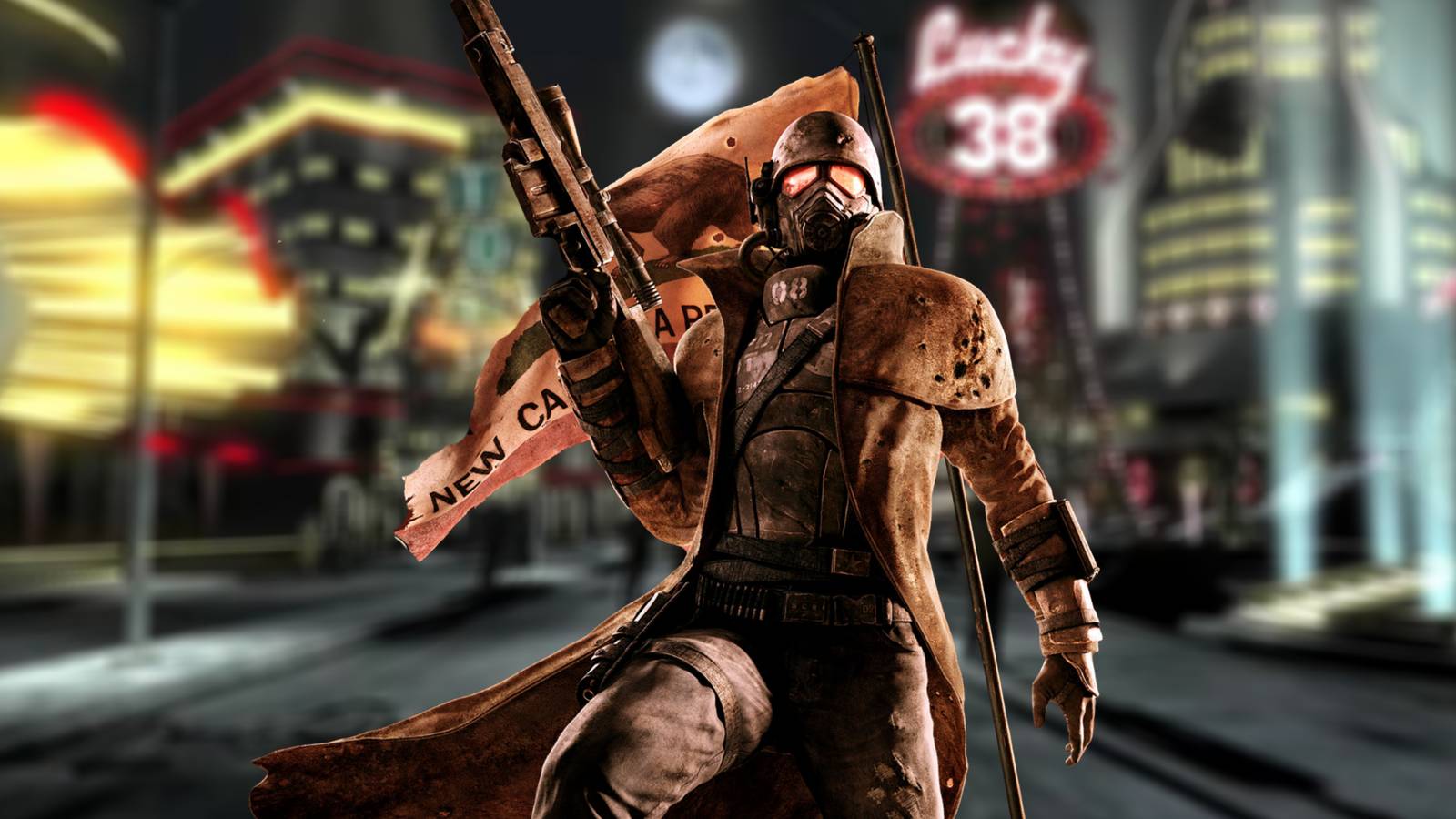
Even in 2026, the sheer depth of choice and consequence found in Fallout: New Vegas remains a benchmark for the RPG genre. Released in 2010 by Obsidian Entertainment and published by Bethesda, the title continues to offer a level of player agency that few modern games have managed to replicate.
The secret to its longevity lies in how it handles player input. From the moment you arrive in the small town of Goodsprings, the game establishes a design philosophy where your SPECIAL stats, character perks, and faction reputations dictate the flow of the story. Whether you choose to help, hinder, or completely ignore the local conflicts, the Mojave Wasteland tracks your behavior, ensuring that your path is uniquely yours.
Faction Reputation and Agency
One of the most persistent features of Fallout: New Vegas is its faction system. You cannot please everyone; the game forces you to navigate a complex web of competing interests. Whether you align with the NCR, Mr. House, or the Legion, your reputation is constantly in motion. Even choosing to remain apathetic is a decision that the game registers, adjusting the world accordingly to ensure that your convictions—or lack thereof—have tangible impacts.
This extends to the game’s companions, who act as more than just support characters. They are representatives of their respective factions, and they react to your choices in real-time. If you act against their interests, you will face the consequences, such as companions choosing to leave your service. This constant feedback loop makes the Mojave feel like a living, responsive world.
Stats That Matter
The game’s approach to character building is equally robust. The iconic SPECIAL system is deeply integrated into dialogue and problem-solving. High stats unlock unique conversational paths, while low stats—such as low Intelligence—offer their own amusing, tailored dialogue options and specific perks. It is not just about combat; skills like Speech, Science, and Barter are powerful tools that can bypass combat encounters entirely, providing players with multiple ways to approach any given objective.
Even the game’s trait system, such as the "Four Eyes" trait, adds layers of role-playing depth that influence how you interact with the environment. It is these small, intentional design choices that allow for a degree of freedom rarely seen in modern PC Gaming or console titles.
No Correct Path
Perhaps the most compelling aspect of the experience is that there is no "correct" faction or outcome. Each choice presents legitimate arguments, forcing players to decide where their character’s personal line in the sand lies. Whether you seek the stability of Mr. House, the chaotic freedom of a "Yes Man" run, or the political weight of the NCR, the game respects your agency to the very end. You are never forced to play the hero; you can even walk away from conflicts entirely, letting the story unfold in your absence.
Why Fallout: New Vegas Still Feel More Reactive Than Most Modern RPGs...Action
Fallout: New Vegas Development Trivia 2026: Why That Psycho Ending Sl...Action
Fallout New Vegas Legal Issues: Obsidian and Bethesda Trademark DisputesAction
Fallout: New Vegas Remaster Status: Developer Insights for 2026