
Why The Witcher 3: Wild Hunt Remains a Benchmark for RPG Design
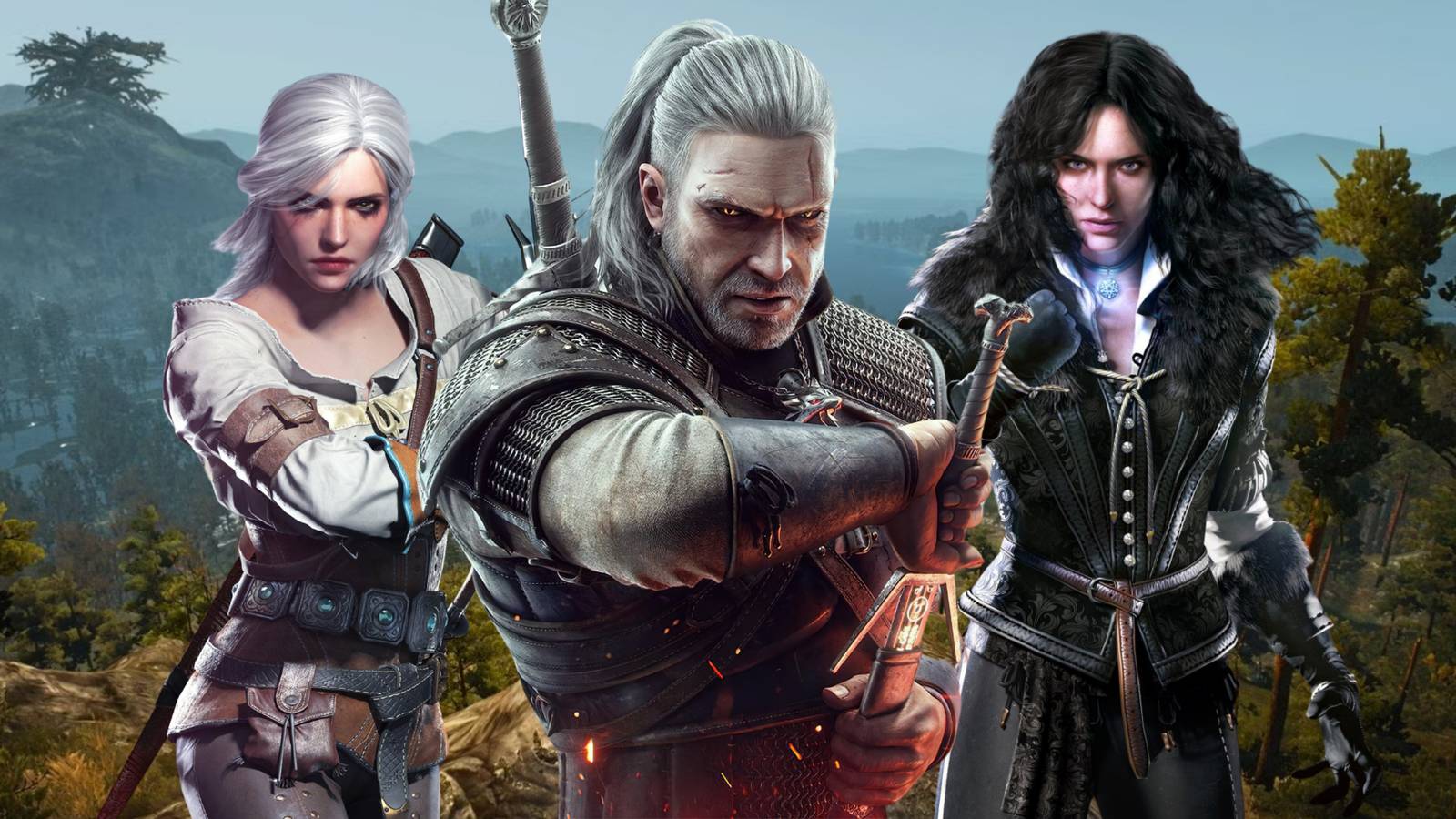
In the landscape of modern gaming, some titles act as a definitive turning point. When CD Projekt Red released The Witcher 3: Wild Hunt in 2015, they shifted expectations for what an open-world RPG could actually achieve. Years later, its influence is still all over the way developers approach world-building, quest design, and character agency.
Building a Truly Reactive World
Open-world games became a massive trend after The Elder Scrolls V: Skyrim, but The Witcher 3 pushed the concept further by making the environment feel truly responsive. This isn't just about NPCs acknowledging your deeds in passing; the world shifts. Return to a location after a major choice, and you might find NPCs have moved, perished, or that the landscape itself has permanently changed. It makes every decision feel grounded in the reality of the Continent.
Quality Over Quantity in Quest Design
One of the most persistent issues in massive open-world titles is the presence of "filler" content. The Witcher 3 mostly sidesteps this by ensuring almost every side quest carries weight. These missions are built around narratives that often end with sharp twists, highlighting the game’s core themes of morality, loss, and survival. By treating side content with the same narrative respect as the main story, the game values your time while deepening the immersion.
Defining Geralt Through Action and Ecology
The game’s approach to combat and monster design is a masterclass in immersion. Geralt’s identity as a monster hunter isn't just flavor text; it’s a day job that drives his motivation and creates a reliable gameplay loop. You’re forced to engage with the world’s internal logic—using steel for humans, silver for monsters, and preparing before every battle.
This logic extends to the monster ecology. Creatures occupy specific niches and adapt to their surroundings, mimicking real-world biology to keep you grounded. Combined with the lack of a traditional, visual morality bar, these systems force you to rely on your own judgment. You aren't told if a choice was "good" or "evil." You just have to live with the consequences.
The Importance of Regional Identity
The Continent is split into territories like Temeria, Redania, and Cintra, but these borders are defined by culture, not just geography. Even when landscapes look similar, the architecture, local beliefs, and character accents set the regions apart. It’s a living, breathing world.
By prioritizing well-written side characters who follow their own paths, CD Projekt Red ensured the world felt populated by people with their own motivations—not just quest-givers.
The Witcher 3: Wild Hunt proves that the best stories leave room for mystery. By letting some questions remain unanswered, the game encourages players to untangle myth from reality, cementing its place as an RPG cornerstone.
The Witcher 4 and Songs of the Past: Doug Cockle Discusses Geralt in ...Action
The Witcher 3 Songs of the Past Expansion Details and CD Projekt Red ...Action
The Witcher 3 Hits 65 Million Sales in 2026: A New Milestone for CD P...Action
The Witcher 3 Songs of the Past DLC: Timeline and Canon Details for 2026