
AdHoc Defies Logic: Dispatch's 'Insane' Release Pays Off
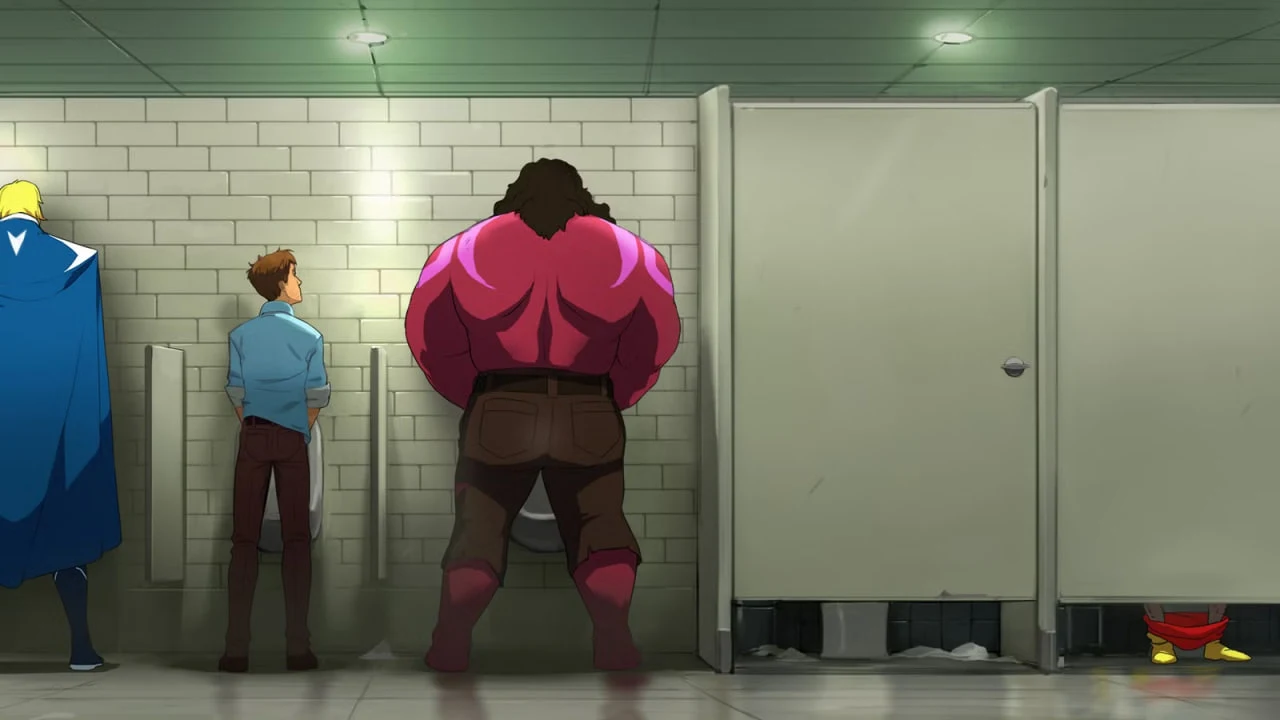
AdHoc, the visionary studio behind the highly anticipated superhero workplace comedy "Dispatch," has unequivocally shattered industry expectations with the monumental success of its debut title. Despite vehement warnings and internal debates against an episodic release format, the seven-year-old developer launched "Dispatch" in weekly installments this past October, proving that sometimes, taking the "insane" route leads to unparalleled triumph in the competitive gaming landscape.
The Risky Strategy No One Advised
Michael Choung, CEO and executive producer at AdHoc, revealed the intense pressure from both within and outside the studio to abandon their unconventional release model. "Everyone was telling us not to do it," Choung candidly stated, acknowledging that the decision to deliver "Dispatch" two episodes per week felt "insane to do" from a production standpoint. As their inaugural game, launched after seven years of studio operation and three years in full production, AdHoc's daring choice placed their first-ever release under immense scrutiny.
Creative Vision Over Conventional Wisdom
Choung emphasized that AdHoc’s commitment to an original, narrative-driven experience was paramount. The studio opted for the episodic structure not for ease of development, but because it served their creative ambition and the desired player experience. Describing "Dispatch" as a unique blend of "three feature-length premium animated films and a videogame," Choung explained that the story was inherently structured for weekly delivery. This foundational design made alternative release cadences, such as a full launch or two major halves, less appealing to the development team.
Unprecedented Success Metrics
AdHoc's "insane" gamble has paid off spectacularly. "Dispatch" rapidly surpassed commercial milestones, selling over 1 million copies within just 10 days of its October 2025 launch. Choung highlighted an astounding trend: concurrent user numbers "kept doubling every week," a direct contradiction to conventional industry wisdom that typically predicts a sharp decline after an initial launch week. This sustained engagement, akin to the successful cadences of popular TV series, fostered continuous buzz and community interaction, a phenomenon AdHoc "anticipated" though not "the scale of it." The overwhelming reception has already ignited discussions for a second season, potentially exploring even more mature themes given the "ravenous" fan response to the first.
A Cautionary Tale for Future Developers?
Despite their groundbreaking success, AdHoc's CEO is quick to caution other studios against blindly replicating their strategy. Choung explicitly warned, "From every metric, from a production perspective, no one should do this," underscoring that episodic formatting alone is not a magic bullet for success. He stressed that "If the creative is strong, you can cut it up however you like," but attempting an episodic release with a weak narrative is tantamount to "flirting with people that aren't attracted to you whatsoever." Further cementing AdHoc's commitment to authentic creative processes, Creative Director Nick Herman confirmed the studio's "no interest in using AI to replace voice actors or game development," firmly asserting that "AI feels like a production solution, not a creative one."