
Metroid Prime 4: Beyond Switch 2 Review - An 8/10 Comeback
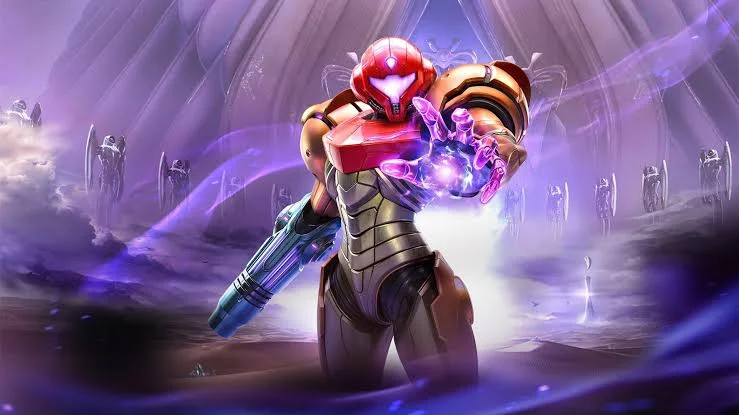
Samus Aran makes a triumphant return in Metroid Prime 4: Beyond, developed by Retro Studios, marking an excellent, if at times uneven, comeback for the beloved sci-fi adventure. Landing with an impressive 8/10 score, this long-anticipated title, primarily reviewed on the Nintendo Switch 2 Edition, delivers breathtaking moments and innovative gameplay while navigating a few ambitious stumbles. Gamers can anticipate a roughly 15-hour journey that, in its best moments, lives up to the high standards of the iconic Metroid legacy, with its full release scheduled for December 4, 2025.
A Return to Form, With a Twist
Metroid Prime 4: Beyond brilliantly revisits the first-person exploration and lock-on shooting the series is renowned for, putting players back in Samus Aran's suit with enhanced maneuverability. The narrative kicks off with Samus mysteriously teleported to the planet Viewros, embarking on a quest to return home while unraveling the history of the ancient Lamorn civilization. A significant new gameplay element comes from Samus' new psychic abilities, bestowed upon her by the Lamorn. These purple-hued powers allow players to:
- Telekinetically manipulate certain objects.
- Direct charged shots to hit multiple targets.
- Engage in momentum-based Morph Ball platforming.
- Search for psychic energy to power nearby devices.
These additions inject a fresh dynamic into Samus' traditional arsenal, which still includes her Charge Beam, Morph Ball, and bombs. While many puzzles and suit upgrades feel familiar, the psychic powers add a satisfying layer to finding hidden items, ensuring that the continuation of one of gaming's most acclaimed trilogies largely sticks to a winning formula.
Unpacking Combat and World Design
Combat in Metroid Prime 4: Beyond feels exactly as a modern Prime game should, but with notable refinements. Samus controls impeccably, boasting a swift forward/backward dodge, improved Morph Ball transitions, and snappier visor access—now more useful thanks to its psychic properties. The game introduces new foes requiring tactical approaches and delivers a great lineup of boss battles, blending towering monsters with intense one-on-one shootouts. While elemental beams provide flashy aid in both combat and exploration, occasionally, the game veers into repetitive enemy waves reminiscent of mid-2000s corridor shooters, which stand as low points.
Structurally, the game’s individual maps take a more self-contained approach, akin to Prime 2 and Prime 3, rather than Prime 1's interconnected web. Each region acts like a vast dungeon, prompting exploration, key upgrade acquisition, and boss defeat before moving on. This design choice, surprisingly, fills a "3D Zelda-shaped hole," allowing Retro Studios to imbue each location with a unique tone. From sci-fi horror isolation (evoking Alien) to action-packed sequences with Galactic Federation companions (Aliens), the genre-shifting keeps the experience fresh throughout its runtime. The worldbuilding is exceptional, with locations like Volt Forge showcasing rich history intertwined with intricate level design, inviting deeper exploration through scanning for context. For newcomers, Prime 4 serves as an excellent entry point, and map marking, a feature borrowed from Metroid Dread, streamlines the endgame collectible hunt.
The Open-World Hub: A Rocky Ride
One of Prime 4's most significant stumbles lies in its open-world hub, Sol Valley. This desert area, where Samus utilizes her new motorcycle, unfortunately feels outdated and largely devoid of engaging activities. Described as reminiscent of Ocarina of Time's Hyrule Field attempting to emulate Breath of the Wild's Great Plateau, it falls short, presenting a visually unimpressive landscape with repetitive enemy encounters. A core main objective—collecting green energy to preserve Lamorn history—is tied to mindlessly driving through this uninspired desert, creating a runtime-padding filler experience. While not a dealbreaker, as players can chip away at it en route to other destinations, this half-baked desert quest is a clear drawback that detracts from the game’s otherwise stellar moments.
Companions and Story: A Mixed Bag
Metroid Prime 4: Beyond introduces Galactic Federation companions who periodically join Samus. These characters, ranging from a nervous engineer to a questioning sniper, offer memorable story moments and mostly charming personalities that even seasoned Metroid fans may warm to. The improved voice acting and facial animations are a step forward for Nintendo. However, their inclusion isn't without its caveats:
- They can be overly talkative, dropping too many hints about objectives.
- Dialogue occasionally relies on clichés or feels out of place.
- Certain mission aspects, like waiting for companions or reviving them, can feel outdated.
Thankfully, Samus spends over half of the 15-hour adventure in solitude, ensuring plenty of the series' signature ambiance and isolation for long-time fans. The primary antagonist, Sylux, is surprisingly underdeveloped, playing a far smaller role than anticipated, leaving the compelling Lamorn history to carry much of the narrative weight.
Visuals & Performance: A Next-Gen Leap
On the Nintendo Switch 2, Metroid Prime 4: Beyond makes a strong case for being the best-looking game Nintendo has ever published. Its fantastical art direction is jaw-droppingly gorgeous, featuring incredible lighting, beautiful backgrounds, ornate architecture, and detailed environments. The game runs at a flawless 4K 60 fps, with a smooth 120 fps option available at a lower resolution, representing a huge technical leap for Nintendo. Dynamic sound design, with dramatic choral melodies fused with electronic sounds, perfectly complements the Prime atmosphere, further enhanced by returning iconic visor effects like fogging in extreme temperatures.
For players still on the original Nintendo Switch 1, Retro Studios has ensured Prime 4 remains a practical option. While the resolution downgrade is noticeable compared to the crisp 4K of the Switch 2 Edition, the game still holds an impressive 60 fps. Minor drawbacks include longer initial loading and slight pop-in in the desert, but none are game-breaking, allowing original Switch owners to experience Samus' latest adventure without feeling left out. Control options are versatile, offering dual-stick on the Switch 2 Pro Controller (with optional motion aiming), Wii-inspired separated Joy-Con controls, and even functional but physically awkward Switch 2-exclusive mouse controls.
Metroid Prime 4: Beyond is an undeniable triumph, delivering an excellent comeback for a beloved franchise. Despite the uneven experience caused by its outdated open-world hub and some chatty companions, its incredible peaks—tense exploration, haunting locations, amazing worldbuilding, breathtaking art direction, new twists on classic abilities, and flawless technical performance—solidify its place as a significant entry worthy of the Metroid name.