
The Definitive Handheld JRPG Power List: Why Portable is the Only Way to Play in 2026
The Bottom Line: JRPGs and handheld consoles are a match made in heaven. The genre’s inherent loop—heavy level-grinding, deep menu management, and hundred-hour narratives—feels far less daunting when you can suspend your session instantly or grind out a few levels on the bus. While many of these titles exist on home consoles, our testing confirms that the flexibility of the Nintendo Switch, Steam Deck, and Windows handhelds makes them the superior way to experience these epics.
| Game | Recommended Platform | Key Strength | Average Playtime |
|---|---|---|---|
| Final Fantasy VII (Original) | Switch / Steam Deck | Narrative / Historical Impact | 40-60 Hours |
| Persona 5 Royal | Steam Deck / Switch | Style / Social Sim / Combat | 100+ Hours |
| Xenoblade Chronicles 3 | Nintendo Switch | Open World / Combat Depth | 80+ Hours |
| Ni No Kuni 2 | Steam Deck / Windows Handheld | Visuals / Kingdom Building | 45+ Hours |
| Dragon Quest XI S | Any Handheld | Traditional JRPG Excellence | 80-120 Hours |
The Heavy Hitters: Titans of the Genre
1. Final Fantasy VII (Original)
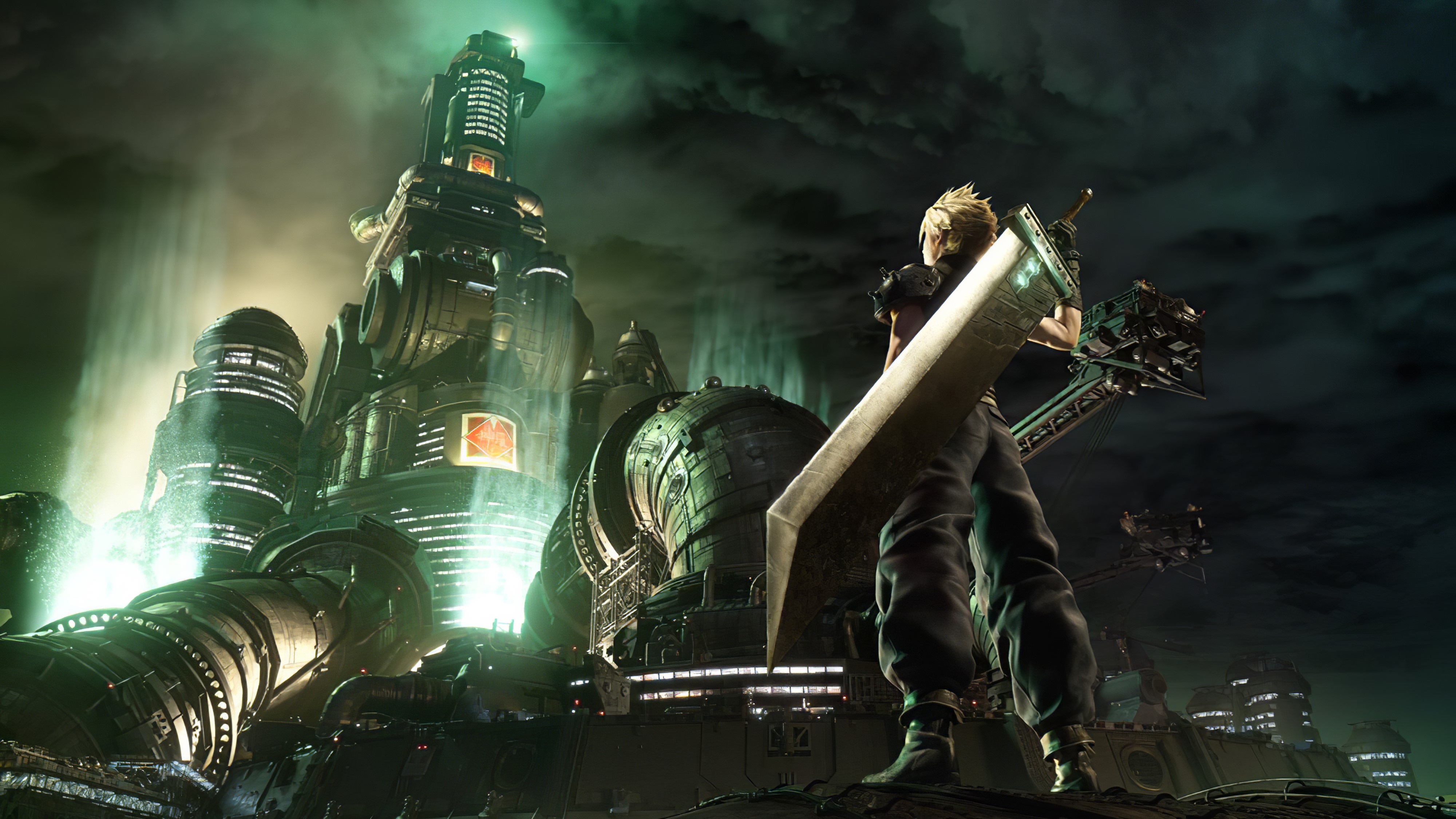
Even with the Remake trilogy nearing its end, the 1997 original remains the mandatory starting point. We’ve seen countless "modern" RPGs try to capture this magic, but the Materia system and Sephiroth’s presence still set the gold standard. Our advice: Play this on the Switch or a Windows handheld before touching the Remake. You need to see the original blueprint to appreciate how the new trilogy is subverting expectations.
2. Persona 5 Royal
As we hit Persona’s 30th anniversary this year, P5R remains the peak of the series. It’s a masterclass in UI design and turn-based refinement. If you’re waiting for news on Persona 6, this is the only way to kill 100 hours without feeling the burn. The Switch port is surprisingly stable, but the Steam Deck version wins for those who want 60 FPS visuals while navigating Tokyo.
3. Dragon Quest XI S: Echoes of an Elusive Age
This is "comfort food" gaming at its finest. It doesn't reinvent the wheel; it just polishes it to a mirror finish. The Switch version was a technical miracle at launch, but on modern handhelds, it’s flawless. Pro Tip: Don't drop the controller when the credits roll—the post-game content is essentially a third act that redefines the entire story.
The Technical Powerhouses
4. Xenoblade Chronicles 3
We’ve gone on record calling this "the perfect videogame," and we stand by that. Monolith Soft pushed the Switch to its absolute limit here. The scale of the world is staggering, and the interlinking combat system offers more tactical depth than almost anything else on the market. It’s a 10/10 experience that justifies owning a handheld on its own.
5. Shin Megami Tensei V
If Persona is the social butterfly, SMT V is its gritty, difficult older sibling. The demon fusion system is as addictive as ever, and the shift to a more open-zone exploration style was the shot in the arm the series needed. It’s a punishing experience, but the QoL improvements over SMT IV make it much more accessible for newcomers.
6. Ni No Kuni 2: Revenant Kingdom
This is where hardware choice matters. While it’s available on Switch, the framerate can be a bit "wobbly" in busier kingdom-building segments. We recommend playing this on a Steam Deck or ROG Ally. The Ghibli-esque art style needs a stable framerate to truly shine. It’s a unique hybrid of JRPG combat and city-management that shouldn’t be overlooked.
The "New" Classics and Retro Royalty
- Octopath Traveler II: A massive improvement over the first game. The "2D-HD" aesthetic is gorgeous on an OLED screen. The intertwining stories actually feel connected this time, making it feel like a high-stakes fantasy epic.
- Chrono Trigger: It’s gaming history. Despite being decades old, the pacing is better than most modern $70 releases. If you haven't played it, you're missing the foundation of the entire genre.
- Final Fantasy IX: A return to high fantasy that aged better than its sci-fi predecessors. It’s existential, heartbreaking, and mechanically tight. While the rumored remake remains a "maybe" for 2026, the original port is a must-buy.
- Pokémon Legends: Arceus: The only Pokémon game that truly respects the player’s time. The seamless catching mechanics and semi-open world were a massive pivot for Game Freak, and we're still waiting for the mainline series to catch up to this level of innovation.
- Paper Mario: The Thousand-Year Door: Don't let the "Mario" branding fool you. The tactical depth of the badge system and the sheer wit of the writing put most "serious" JRPGs to shame. The Switch remake is the definitive way to play.
- Digimon Story: Time Stranger: The sleeper hit for those who want a deep monster-battling system with a darker narrative edge. It’s a massive time sink, but the payoff in the late-game evolution trees is worth the effort.
Senior Editor’s Note: We’ve spent thousands of hours across these worlds. The trend is clear: the JRPG is no longer a "big screen only" affair. The ability to chip away at a massive quest during a commute or while lounging on the couch has revitalized our love for the grind. Pick any title from this list—you can't go wrong.