
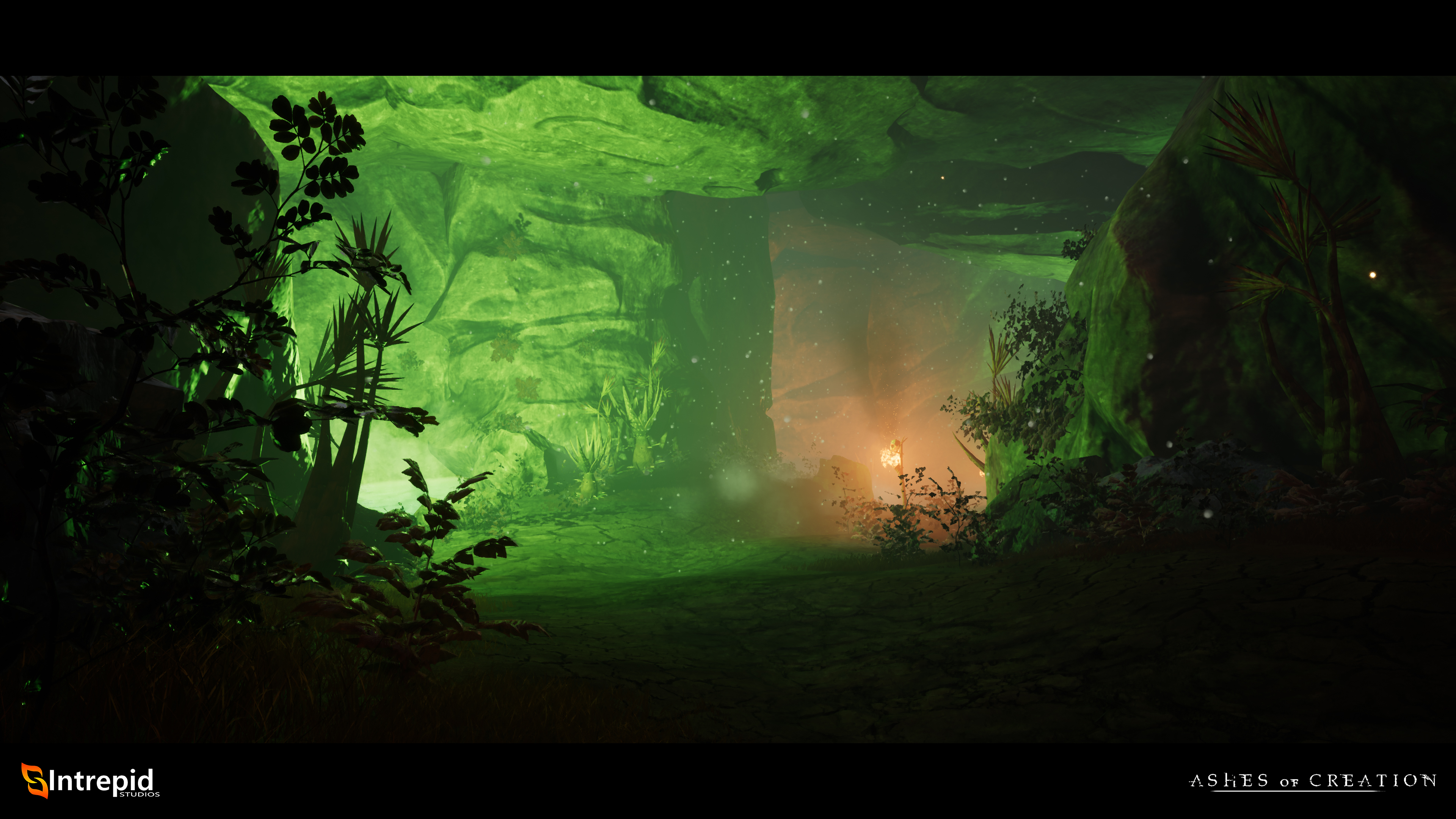
In a bombshell development that has rocked the MMO community and sent ripples through the crowdfunding landscape, Ashes of Creation, once heralded as the most successful MMO fundraiser in crowdfunding history, has reportedly ceased development. The entire team at Intrepid Studios has been laid off, a brutal and shockingly abrupt end to a project that raised nearly $3.3 million and promised a new era for player-driven online worlds.
For those of us who’ve been in this game for decades, this isn’t just news; it’s a familiar, bitter pill. We've watched countless ambitious MMOs rise and fall, often succumbing to the same critical failings, but the suddenness of this collapse — mere days after a public letter pledging continued commitment — is a gut-punch to both players and developers alike.
The timeline of this implosion is as dramatic as it is concerning:
- January 29: A "Director's Letter to the Citizens of Verra" is posted, acknowledging long-simmering issues (bots, cheating, bugs, performance) but *promising* continued commitment and outlining Q1 plans, including a February 13 development update stream.
- January 31: Rumors of firings and resignations explode on Discord. Community lead Margaret Krohn confirms her layoff on LinkedIn, stating the "heart and soul of the product, the amazing dev team, was all laid off."
The immediate catalyst appears to be a power struggle within Intrepid. Founder and former creative director, Steven Sharif, offered a limited, but profoundly damning, statement:
"Control of the company shifted away from me, and the Board began directing actions that I could not ethically agree with or carry out. As a result, I chose to resign in protest rather than lend my name or authority to decisions I could not ethically support. Following my resignation, much of the senior leadership team resigned. Following those departures, the Board made the decision to issue WARN Act notices and proceed with a mass layoff."
Sharif's implication of "unethical" actions by the board is a red flag we simply cannot ignore. It suggests a fundamental misalignment between the creative vision and the corporate directives, a clash that has historically spelled doom for many a promising title. Our analysis suggests this wasn't just a financial crunch; it was a crisis of integrity, leading to a mass exodus before the final corporate hammer fell.
While the final decision was abrupt, the game’s troubled development cycle has been a topic of discussion for years. It’s been nine years since its Kickstarter funding and five years since its first playable alpha. Our own former colleagues at PC Gamer, Sarah James and Steven Messner, were circumspect in their early assessments, noting a lack of clear direction and even calling out a referral marketing program that breached Kickstarter terms of service. This foresight, unfortunately, proved prescient. The game was always ambitious, perhaps too much so, struggling with core issues that led to growing player discontent.
This isn't an isolated incident. We've seen this grim scenario play out repeatedly in the gaming industry, especially with crowdfunded or live-service titles:
- The recent "tears" surrounding the Darkest Dungeon board game fiasco.
- NetEase's string of studio casualties, including a Warhammer MMO.
- NCSoft's disastrous launch of an MMO with terrible monetization, followed by immediate apologies.
- The quiet demise of Mighty No. 9's studio, Comcept.
These aren't just separate incidents; they’re symptoms of a systemic issue. The hunger for a truly modern, engaging MMO is palpable, yet too often, these projects fall prey to overambition, executive meddling, or a disconnect between development and player expectations. The fact that Intrepid Studios put a decade of effort and manpower into this game, only for it to unravel in a matter of days due to what its founder labels "unethical" decisions, is a tragic commentary on the state of game development.
The developers and staff, who dedicated years to building Verra, deserved better than this sudden uncertainty. Their good faith efforts were, by all accounts, genuine, and our hearts go out to them. For the backers, this is a painful reminder of the risks inherent in crowdfunding and the delicate balance between creative freedom and investor demands. We are left wondering what those "unethical" measures by the board truly entailed, but the outcome is clear: another promising dream for the MMO genre has been snuffed out, leaving behind a trail of broken promises and disillusioned players.