
How Tim Cain Used a D&D Rule to Secure His Role at Interplay in 2026
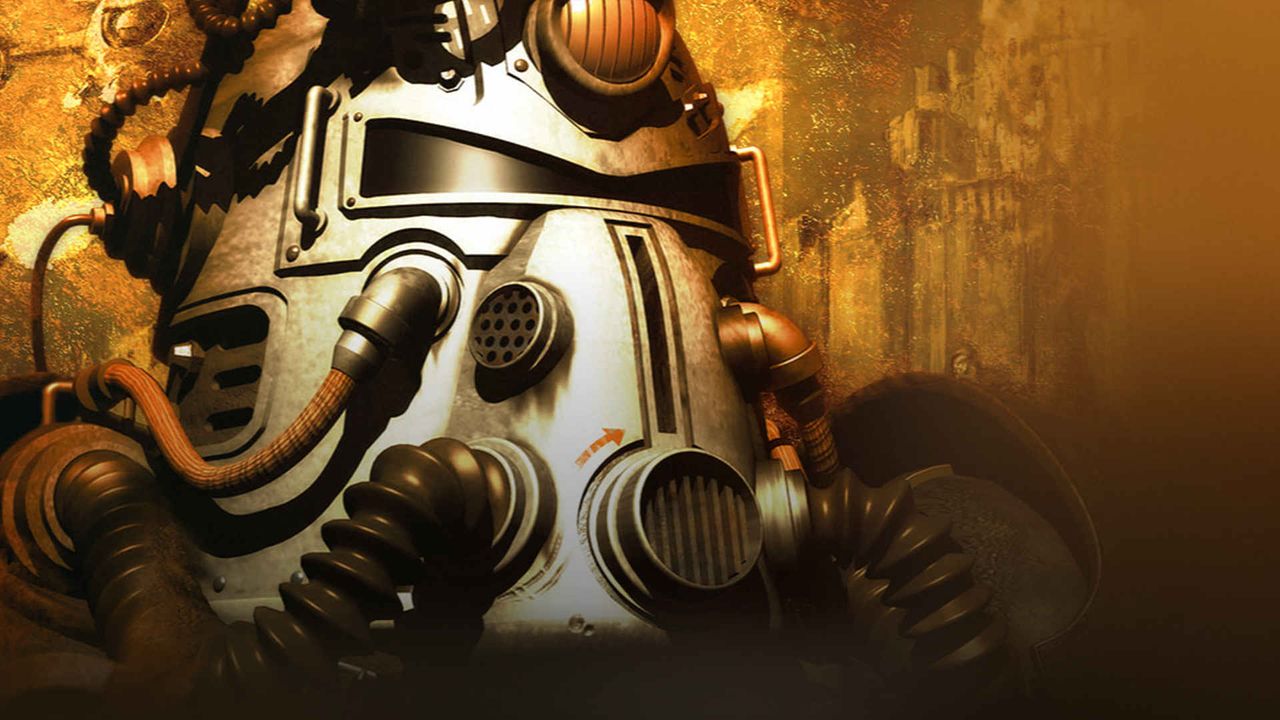
- Game: Fallout
- Developer: Interplay
- Release Date: 1997-09-30
- Platforms: PC, macOS, Linux, Classic Macintosh
The career of industry veteran Tim Cain is intrinsically linked to the history of the legendary RPG studio Interplay, a connection forged through a unique job interview story involving a Dungeons & Dragons rule. As we look back at the origins of the Fallout franchise in 2026, it is clear that Cain's technical proficiency and willingness to challenge established systems were instrumental in his hiring and the subsequent success of the series.
The History of Interplay RPG Studio and Tim Cain
The history of Interplay as a premier RPG studio is defined by its willingness to experiment with complex game systems. When Tim Cain first sought employment at the company, he entered an interview process that would determine the direction of some of the most influential titles in PC gaming history. Cain, who would eventually serve as a lead programmer on the original Fallout, utilized his deep knowledge of tabletop mechanics to stand out among other applicants.
During his interview, Cain was asked to evaluate a game project that was heavily reliant on D&D rules. Rather than simply agreeing with the interviewers, Cain pointed out a specific, cumbersome rule that he believed hindered the experience. By identifying why this rule was problematic and offering a more efficient alternative, he demonstrated the critical thinking skills that would later define his work on the Fallout series. This moment of technical "flexing" proved that Cain possessed the expertise required to build complex, functional RPGs.
How Did Tim Cain Get Hired at Interplay?
The process of how Tim Cain got hired at Interplay is a testament to the importance of technical honesty in game development. Cain has shared in recent interviews that he was not afraid to critique the studio's existing design philosophy if he felt it was flawed. His ability to explain exactly why a D&D rule was causing issues for players convinced the hiring managers that he was the right person to lead their programming efforts.
This interview story serves as a foundational piece of trivia for fans of the Fallout franchise. It highlights that the studio was looking for developers who could do more than just write code; they needed designers who understood the underlying math and logic of roleplaying systems. This mindset allowed the team to move away from rigid tabletop adaptations and create the distinct, player-driven experience that defined the 1997 release of Fallout.
The Role of Rulesets in Game Design
The transition from tabletop D&D to a digital environment requires a nuanced understanding of what makes a game fun versus what makes it tedious. Cain’s critique during his interview focused on the friction caused by complex rules that, while accurate to a tabletop manual, did not translate well to the PC platform. By simplifying or modifying these systems, he ensured that the game remained accessible without losing its depth.
For more insights into the evolution of the genre, you can explore our RPG gaming history archives. Understanding these early design decisions provides context for the mechanics that players continue to engage with in modern titles.
Did Tim Cain Work on the Original Fallout?
Yes, Tim Cain was a central figure in the development of the original Fallout. Released on September 30, 1997, for the PC, the game established the post-apocalyptic setting and the SPECIAL character system that remains a staple of the series today. His contribution was not limited to programming; his influence on the game's design philosophy helped steer the project toward the open-ended, choice-driven gameplay that players on PC, macOS, and Linux have enjoyed for decades.
Cain's influence can be seen in the game's balance between combat and exploration. By applying the lessons he learned early in his career—specifically regarding the balance of rules and player agency—he helped create a title that stood out in a market saturated with more linear experiences. For those following our ongoing Fallout series analysis, it is evident that these early design choices set the standard for the entire franchise.
Key Influences on the Creation of Fallout
The creation of Fallout was a collaborative effort, but the technical foundation laid by Cain and his team was paramount. The following list outlines the key factors that influenced the development of the original title:
- Tabletop Adaptation: Integrating complex stats and character traits into a digital format.
- System Flexibility: Moving away from rigid, "annoying" D&D rules to favor player freedom.
- Technical Innovation: Developing a engine capable of handling the game's non-linear quest structure.
- Atmospheric Design: Creating a consistent, dark, and humorous post-nuclear world.
Frequently Asked Questions
How did Tim Cain get hired at Interplay?
Tim Cain was hired at Interplay after successfully correcting a design flaw in a Dungeons & Dragons-based game during his job interview, demonstrating his technical expertise.
What D&D rule helped create Fallout?
The GURPS (Generic Universal RolePlaying System) ruleset, which Tim Cain discussed during his interview, was a major influence on the mechanics that eventually helped shape the original Fallout.
Did Tim Cain work on the original Fallout?
Yes, Tim Cain was a lead programmer and co-creator of the original Fallout, which was released on September 30, 1997.