
Indie Dev Reveals Awful Returns After Paid Appearance at The Mix 2026
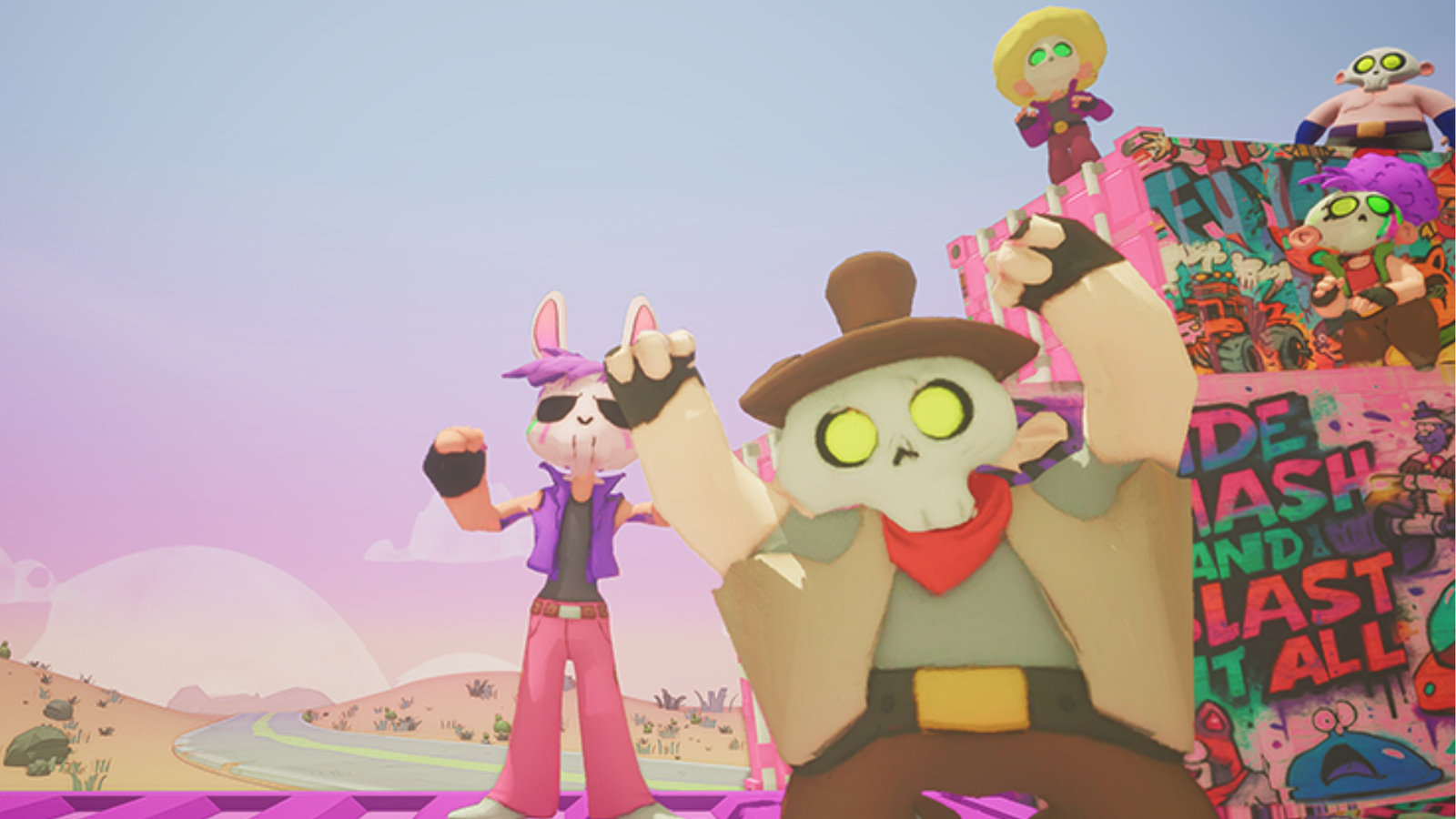
- Game: Monster Punk
- Developer: Fooya Games
- Showcase Fee: $600
- Result: 65 wishlists in 24 hours
An Indie Dev Reveals Awful, Returns After Paid Appearance at the 2026 The Mix + Kinda Funny Spring Game Showcase, highlighting the volatile nature of marketing for independent titles. Sam Woods published this report on March 11, 2026, detailing the experience of the two-person development team at Fooya Games. The studio, which had high expectations for its upcoming vehicular combat title, found that the financial investment required for a showcase slot did not translate into the desired visibility or player interest.
The Reality of Indie Game Marketing Costs vs Returns 2026 Analysis
For small studios, the decision to invest limited capital into marketing events is often a high-stakes gamble. Fooya Games faced this exact dilemma when selecting a strategy for Monster Punk. The studio was offered a slot in the high-profile The Mix + Kinda Funny Spring Game Showcase, but the opportunity required a payment of $600. While this figure might seem modest to larger publishers, for a two-person team, it represents a significant portion of a development budget that could otherwise be spent on core game systems or asset creation.
In an effort to maximize the impact of this investment, the developers at Fooya Games dedicated 13 days of intensive work to produce a brand-new trailer specifically for the event. The goal was to capture the attention of the audience and drive potential players to wishlist the game on PC platforms. However, the data gathered in the 24 hours following the stream suggested that the conversion rate was lower than the studio had anticipated.
According to a post shared by the developer on Reddit, the total number of new wishlists generated by the showcase appearance was 65. This metric serves as a case study for the ongoing conversation regarding whether paid marketing in events like The Mix showcase is worth it for indie devs. While exposure is a primary goal, the direct correlation between a paid slot and a measurable increase in interest remains a point of contention for many independent creators.
Monster Punk Developer Feedback on Paid Showcase Returns
The feedback provided by the Monster Punk developer, known as Dapper-Ad9100, offers a transparent look at the frustrations faced by those navigating the current indie game marketing landscape. The game itself is described as a vehicular combat roguelite, where players engage in arena-based battles against rival drivers and waves of bots. Its design philosophy incorporates movement-based power-ups, creating a high-speed experience that draws visual comparisons to titles like Rocket League and Splatoon.
Despite the unique premise and the effort put into the marketing materials, the outcome of the showcase event has prompted a discussion about the value of such platforms. When developers are asked to pay for inclusion in these events, they often expect a return on investment that justifies the cost. When that return is limited to a small number of wishlists, it raises questions about the effectiveness of these showcases for smaller titles that lack an established fanbase.
Our coverage at In Game News often emphasizes the difficulty of gaining traction in a saturated market. For teams like Fooya Games, every dollar spent must be accounted for. The Monster Punk developer feedback suggests that the current model of paid showcase participation may not always align with the financial realities of small-scale development. This serves as a warning to other developers who are currently weighing the costs of marketing against the potential for exposure.
The Broader Context of Indie Game Visibility in 2026
The challenges faced by Fooya Games are not unique. As the PC market continues to grow, the competition for player attention has become increasingly intense. Developers must now decide between organic growth strategies and paid opportunities. The industry trends for 2026 indicate that while showcases can provide a platform, they do not guarantee success. The visibility of a game is often tied to a variety of factors, including the quality of the trailer, the timing of the announcement, and the existing community engagement of the developer.
In our previous reports, we have analyzed how different titles have approached their marketing cycles. For instance, the 2022 release Monster Prom 3: Monster Roadtrip, developed by Beautiful Glitch, utilized a different approach to reaching its audience, focusing on established genre appeal. Unlike larger titles that have the luxury of massive marketing budgets, indie developers are often forced to be more selective. The case of Monster Punk highlights the risk associated with this selection process.
As we continue to monitor these developments, it is clear that the relationship between developers and showcase organizers is evolving. Transparency regarding the costs and expected outcomes of these events will be essential for the future of the indie gaming scene. Developers are increasingly looking for data-driven insights to inform their marketing decisions, moving away from subjective assumptions about the value of a showcase slot.
Frequently Asked Questions
What is the game Monster Punk about?
Monster Punk is a vehicular combat roguelite featuring arena-based battles against bots and rival drivers, incorporating movement-based power-ups.
What happened with Monster Punk at The Mix showcase?
Developer Fooya Games paid $600 for a slot in The Mix + Kinda Funny Spring Game Showcase, resulting in only 65 new wishlists over the first 24 hours.
Is paid marketing in The Mix showcase worth it for indie devs?
The financial return for indie developers varies significantly, as evidenced by the low conversion rate reported by the Monster Punk team following their paid appearance.