
Brandon Sanderson's Favorite Classic RPG: You'll Be Surprised!
Last Updated: October 27, 2025
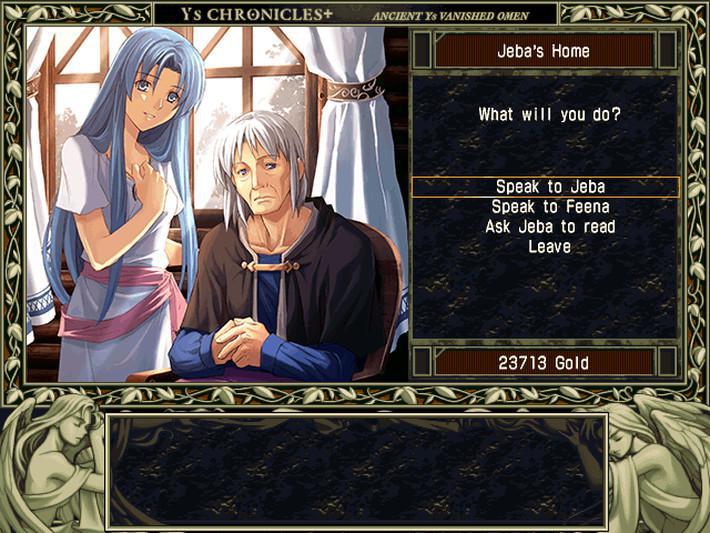
When you consider the video games that might inspire a master world-builder like Brandon Sanderson, a pantheon of modern classics comes to mind. The intricate, hidden lore of FromSoftware's epics, particularly *Elden Ring*, seems a perfect match for his style. The branching, consequence-heavy narratives of *The Witcher 3: Wild Hunt* and *Fallout: New Vegas* feel like natural companions to his own sprawling sagas.
While the celebrated fantasy author is indeed an avowed fan of these modern masterpieces, his most cherished role-playing game from his formative years is a deep cut that speaks to the very foundations of the action RPG: the 1989 classic, *Ys Books I & II*.
A Pantheon of Modern Influences
It’s no secret that Brandon Sanderson is a passionate gamer. His list of favorites reads like a hall of fame for modern RPGs. He is famously a devotee of FromSoftware, having praised the entire *Souls* series, *Bloodborne*, and *Sekiro*. He was notably among the first to receive a promotional kit for *Elden Ring*, which he has lauded for its masterful environmental storytelling—a design philosophy where lore is discovered, not dictated.
These games, along with narrative-driven titles like *The Witcher 3*, represent the pinnacle of interactive world-building and complex system design. They are obvious choices for an author whose work is defined by meticulously crafted magic systems and epic-scale conflicts, making his deep-seated love for a much simpler, older title all the more intriguing.
A Foundational Classic from a Different Era
When looking back to the foundational games that shaped him, Sanderson points to Nihon Falcom's *Ys Books I & II*. Originally released on Japanese computers in the late 1980s, the collection was immortalized for many Western players on the TurboGrafx-16/PC Engine CD-ROM² system. This landmark title in the action RPG genre tells the story of the red-headed adventurer Adol Christin and his quest to uncover the secrets of the ancient, vanished land of Ys.
For many players in the early 90s, *Ys* was a revelation. While its contemporaries like *Final Fantasy* and *Dragon Quest* were focused on menus and strategic, turn-based combat, *Ys* threw players head-first into the action with its unique "bump" combat system. To attack, players simply ram Adol into enemies. Though it sounds deceptively simple, the system contains a hidden layer of strategy, requiring players to approach foes off-center to deal damage without taking any in return. This focus on constant motion and momentum created a gameplay loop that was instantly gratifying and relentlessly paced.
Why Ys Resonates with a Master World-Builder
At its core, *Ys I & II* is a masterclass in efficient storytelling and world-building. It doesn’t bog the player down with excessive exposition; instead, it builds its world through exploration, memorable character interactions, and a legendary, pulse-pounding rock-orchestral score composed by Yuzo Koshiro and Mieko Ishikawa. The sense of adventure is palpable as Adol explores fields, delves into treacherous mines, and ultimately ascends the colossal, labyrinthine Darm Tower.
This design philosophy aligns remarkably well with Sanderson’s own. The game’s straightforward but mythic narrative—a hero's journey against a backdrop of ancient secrets and divine conflict—likely appeals to an author who builds accessible, heroic stories upon incredibly deep magical and historical frameworks. The fast-paced, ever-escalating action mirrors the "Sanderson Avalanche," the term fans use for the accelerating, high-stakes momentum of his book finales. The game is less about moral ambiguity and more about the pure thrill of adventure and the heroism of a single, determined individual against overwhelming odds—a timeless fantasy trope.
The Enduring Legacy of Ys
Sanderson's appreciation for *Ys Books I & II* is a testament to the franchise's enduring quality and influence. Decades later, the series is still going strong, with developer Nihon Falcom continuing the adventures of Adol Christin. Though its mechanics have evolved far beyond the original bump combat, the core tenets remain: fast-paced action, rewarding exploration, and an absolutely stellar soundtrack.
Recent entries like the critically acclaimed *Ys VIII: Lacrimosa of Dana* and *Ys IX: Monstrum Nox* have introduced the series to a new generation of fans, while the latest installment, *Ys X: Nordics*, continues to modernize the formula. By singling out this 90s classic, Sanderson not only reveals a piece of his own gaming history but also shines a spotlight on a foundational franchise that helped define a genre and continues to thrive. It’s a powerful reminder that while modern RPGs offer unparalleled depth and complexity, the simple, propulsive loop of adventure found in the classics can be just as inspiring.