
Nobuo Uematsu: No AI in Music, Champions Human Creativity
Last Updated: November 20, 2025
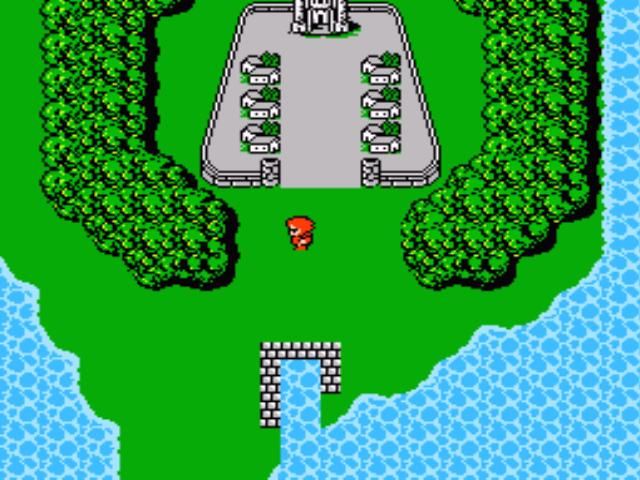
Nobuo Uematsu, the legendary composer behind the iconic and unforgettable soundtracks of the Final Fantasy series, has weighed in on the use of artificial intelligence in music creation, making his position unequivocally clear: he has no personal interest in using it for his own work. In various interviews and statements, the celebrated musician has offered a nuanced perspective on the technology's role, acknowledging its potential for technical tasks but firmly championing the irreplaceable value of human creativity.
Speaking with the Japanese Society for Rights of Authors, Composers, and Publishers (JASRAC) and in other forums, Uematsu has addressed the rapidly advancing field of AI. He has consistently stated his reservations about using AI in composing, emphasizing his dedication to human-created music.
A Composer's Stand on Human Creativity
Uematsu's reluctance to embrace generative AI stems from a deep-seated belief in the human element of art. For him, music is not merely an assembly of notes and chords but an expression of feeling, experience, and soul. The idea of outsourcing that deeply personal process to an algorithm is something he cannot see himself pursuing. He has often spoken about the importance of conveying emotion and personal experiences through his music, something he believes AI cannot replicate.
While the industry at large grapples with the ethical and creative implications of AI, Uematsu’s comments highlight a purist’s approach. He represents a generation of artists who honed their craft through years of dedicated practice, collaboration, and a direct connection to their medium. His work, from the melancholic "Aerith's Theme" to the triumphant "One-Winged Angel," is celebrated precisely because it resonates with a tangible human emotion that players have connected with for years. This personal touch, he implies, is something that current AI technology struggles to replicate.
Acknowledging AI's Technical Potential
Despite his personal disinterest in using AI for composition, Uematsu recognizes that it could serve a practical purpose in the technical execution of game soundtracks.
He specifically noted how AI could potentially streamline the complex transitions required in interactive game music. For example, it could be used to create smoother, more seamless shifts between different musical states, such as:
- Exploration to Combat: Transitioning from a calm overworld theme to an intense battle track.
- Changing Environments: Blending music as a player moves from a bustling town into a quiet forest.
- Dynamic Events: Adjusting the score in real-time based on a player's actions or the unfolding narrative.
In this context, Uematsu sees AI as a potential tool for engineers and sound designers to solve technical challenges, rather than a replacement for the composer. It's a pragmatic view that separates the art of creation from the science of implementation, suggesting a future where technology supports, rather than supplants, the human artist. He envisions AI being used for more technical and logistical aspects, freeing up composers to focus on the artistic side.
The Enduring Legacy of a Master
Nobuo Uematsu's career is a testament to the evolution of video game music. He began his journey in the 8-bit era, composing memorable chiptunes on the Nintendo Entertainment System that had to convey epic scale and deep emotion with severely limited hardware. As technology advanced, so did his compositions, eventually leading to the full orchestral scores that have become a hallmark of the Final Fantasy series and have been performed in concert halls worldwide. Uematsu's music continues to be celebrated through orchestral concerts around the world, demonstrating the lasting impact of his compositions.
His perspective is therefore grounded in decades of adapting to new technologies. From the synth limitations of the 1980s to the CD-quality audio of the 1990s and beyond, Uematsu has always been at the forefront of what's possible in game audio. His decision to draw a line at generative AI for creative work carries significant weight, offering a powerful counter-narrative to the idea that technological adoption is always synonymous with progress in the arts.
As developers and publishers explore AI to increase efficiency and generate content, Uematsu's comments serve as a crucial reminder of what makes video game music so special: the heart, passion, and unique vision of the composer behind the score. He remains a vocal advocate for human creativity in the face of advancing technology.