
Sony Halts Concord Fan Revival With Copyright Strikes
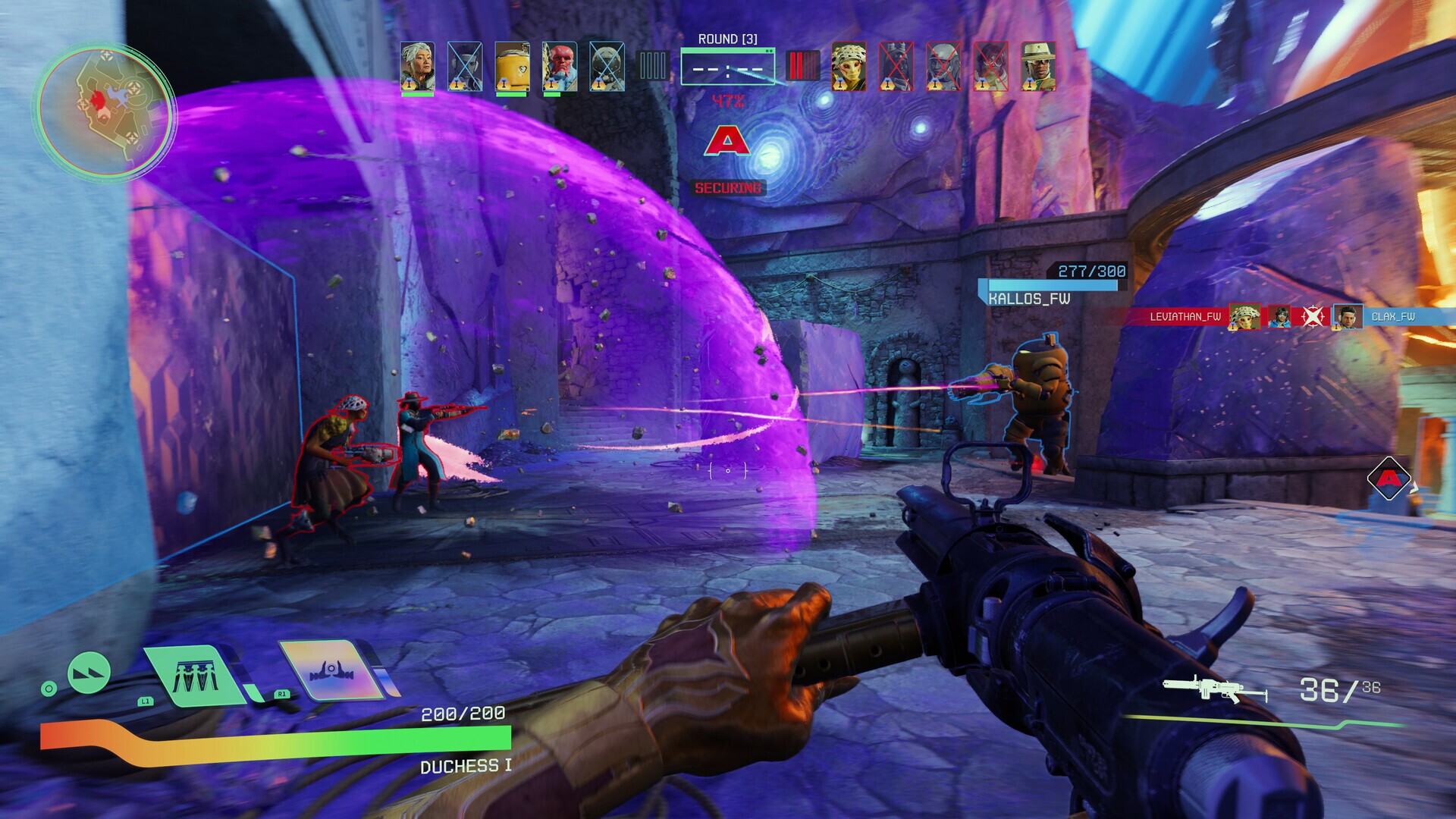
The brief and tumultuous saga of Firewalk Studios' hero shooter, *Concord*, has entered a new, disheartening chapter. A fan-led initiative aimed at resurrecting the shuttered online game has been forced to cease all operations following direct intervention from Sony Interactive Entertainment, the game's publisher.
The project's developers announced their shutdown after receiving copyright takedown notices and what they described as the threat of "worrying legal action."
The Swift End of a Fan-Led Revival
In the weeks following *Concord*'s official demise, a dedicated group of programmers and fans began working to reverse-engineer the game's networking. Their goal was straightforward: to create a private server infrastructure that would allow owners of the game to connect and play, preserving a piece of gaming history that would otherwise be lost forever. The project was gaining traction, with videos of successful connections and early gameplay appearing on platforms like YouTube.
However, that momentum came to a sudden halt. Sony's legal teams began issuing DMCA (Digital Millennium Copyright Act) takedown notices against this content. A DMCA notice is a formal request to remove material that allegedly infringes on an owner's copyright. For the fan project, these notices were the final blow.
In a public statement, the leaders of the revival effort confirmed they were abandoning the project. Citing the direct legal pressure from Sony, they stated they were unwilling to risk the serious personal consequences that could come from continuing their work. This shutdown underscores the legal tightrope that game preservationists and fan communities must walk when dealing with defunct online-only titles.
A Short and Troubled History for Concord
To understand the community's passion and Sony's reaction, one must look at the game's uniquely short lifespan. Developed by Firewalk Studios, a developer acquired by Sony, *Concord* was positioned as a major new entry in the competitive 5v5 hero shooter market, a genre dominated by established titans.
The game's key features included:
- A vibrant, 1980s-inspired sci-fi aesthetic.
- A diverse cast of characters known as "Freegunners."
- A focus on narrative, with new story cinematics planned to release weekly.
Despite a significant marketing push and a premium price tag, *Concord*'s launch was met with a deeply underwhelming reception from both critics and players. The player base dwindled almost immediately, and matchmaking became nearly impossible within days of its release. Recognizing the failure, Sony took the unprecedented step of pulling the game from sale, taking all servers offline, and issuing automatic refunds to anyone who had purchased it. The game existed in a playable state for less than a month, making it one of the most notable commercial flops in recent memory.
The Chilling Effect on Game Preservation
Sony's decision to pursue legal action against a fan project for a commercially dead game has ignited a serious debate within the gaming community about the future of game preservation. *Concord*, like many modern titles, was an online-only experience. Without official servers, the game is nothing more than an unlaunchable application on a user's hard drive.
For many, fan-run servers are the only method of preserving these games for future generations. When a publisher decides to shut down a game, they effectively render it unplayable for everyone who purchased it. Projects like the *Concord* revival are seen by many not as piracy, but as a form of digital archeology—a necessary effort to keep a game from being erased completely.
The legal action taken against the *Concord* project sends a clear and potent message to other communities: even if a game is abandoned and no longer profitable for the publisher, any attempt to make it playable by unofficial means will be met with legal force. This creates a "chilling effect," potentially discouraging talented fans from attempting to save other online games that may face a similar fate in the future.
Why is Sony Protecting a Defunct Game?
While the move may seem harsh to players, Sony's actions are rooted in standard corporate intellectual property (IP) protection. From a legal standpoint, Sony's motivations are likely multifaceted.
First and foremost is the protection of their IP. Sony owns the code, characters, art, and all other assets associated with *Concord*. Allowing an unauthorized version to operate could be seen as weakening their claim to that copyright.
Second is a matter of brand control. Sony cannot control the quality, security, or content on an unofficial server. They have a vested interest in preventing any modified or potentially harmful versions of their product from circulating.
Finally, there is the issue of precedent. By acting decisively against the *Concord* project, Sony signals that similar endeavors for any of its other properties, including far more valuable and active online games, will not be tolerated.
For now, *Concord* remains a digital ghost—a game that launched, failed, and was erased in the blink of an eye, with its brief fan-led resurrection serving as a stark reminder of the fragile nature of digital-only media.
Frequently Asked Questions
What was the Concord fan project?
The *Concord* fan project was an effort by a group of fans to create custom, private servers for the game. This would have allowed people who owned the game to play it again after Sony shut down the official online servers.
Why did Sony take legal action against the fan project?
Sony issued DMCA copyright takedown notices to protect its intellectual property. The company owns the *Concord* game, including its code and assets, and does not permit unauthorized use or modification of its products, even if the game is no longer commercially available.
Is Concord playable now?
No. After a brief and unsuccessful launch, the official *Concord* servers were permanently shut down by Sony. With the fan-led server project also being shut down due to legal threats, there is currently no way to play the game.
What is a DMCA takedown?
A DMCA (Digital Millennium Copyright Act) takedown is a legal notice sent by a copyright holder to a service provider (like YouTube) demanding the removal of content that infringes on their copyright. It is a common tool used to combat the unauthorized distribution of copyrighted material online.