
Fortnite Update: Quentin Tarantino's Kill Bill Short Film Revealed
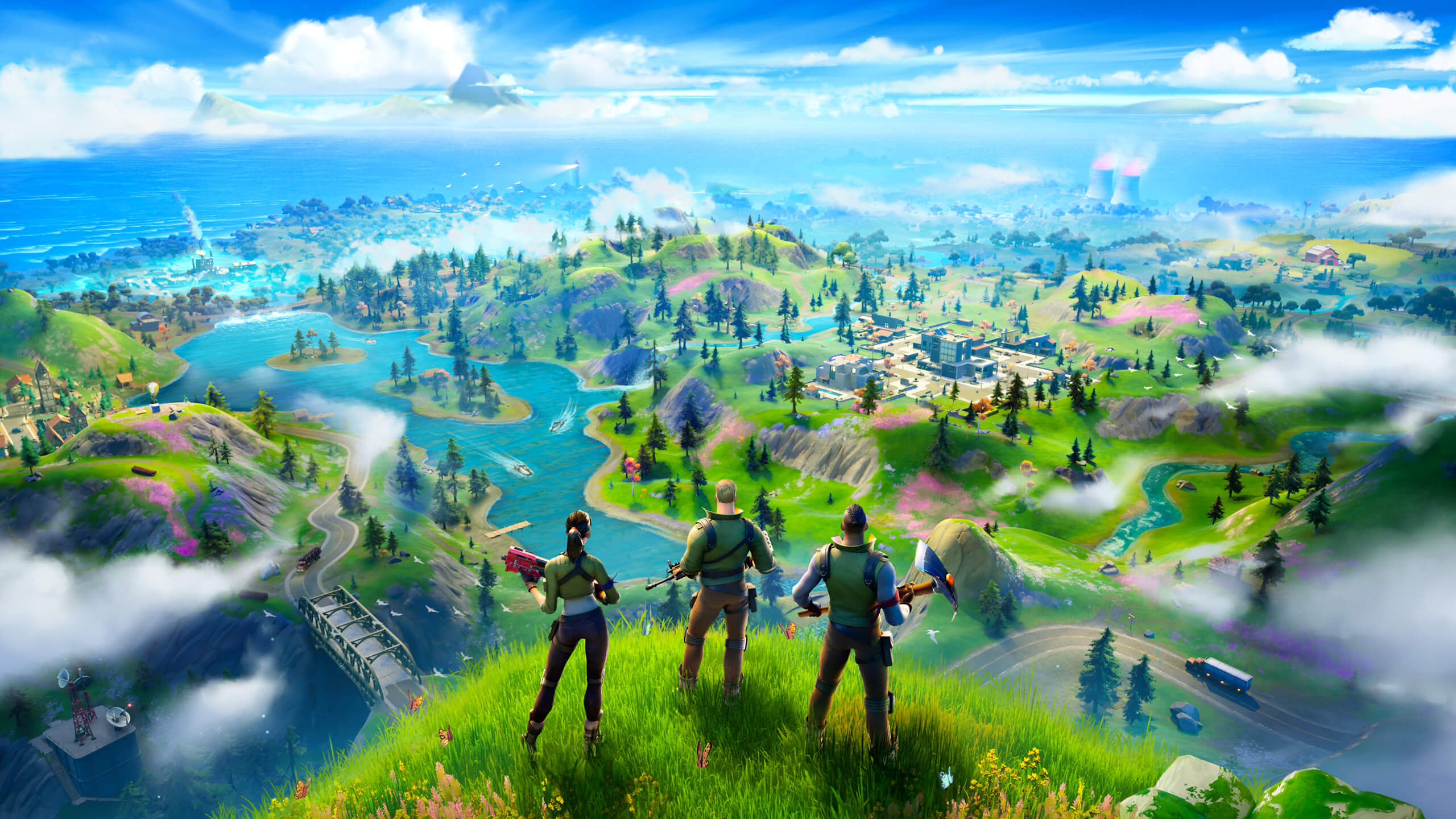
Quentin Tarantino. Fortnite. And a short film, Kill Bill: Yuki's Revenge, playing in actual cinemas. Just take a moment to let that sink in. If you're anything like me, your jaw is probably still firmly on the floor. For a filmmaker who famously declared his preference for a Blu-ray player over a console, this collaboration feels like the ultimate head-scratcher. Fifteen years ago, Tarantino wasn't just uninterested in video games; he'd actively sacrifice them for a new movie disc. So, how on earth did we get to a point where his first directorial effort in years is not only a Fortnite-themed short but also built entirely in Unreal Engine 5?
The answer, it turns out, is more fascinating than simply a "lovely fee." It's a seismic shift, not just for Tarantino's career, but potentially for the future of filmmaking itself. Strap in, because the rabbit hole goes deep.
The Reluctant Legend and His Swan Song
For years, Tarantino has been teasing us with his self-imposed "ten movie" rule, declaring his next film as his grand farewell to the industry. Six years have passed since the delightful antics of Rick Dalton and Cliff Booth in Once Upon a Time in Hollywood. Since then, we've heard whispers, seen novels, but no new directorial work from the maestro himself. He's even handed off a spin-off, The Adventures of Cliff Booth, to David Fincher, telling Sundance audiences, "I'm in no hurry to actually jump into production... I've been doing that for 30 years."
Given this context, the sudden appearance of Yuki's Revenge feels like an anomaly. It's his first time behind a camera – albeit a virtual one – in what feels like an eternity. He even lends his voice to the project. It begs the question: why now, and why this particular medium?
Why Fortnite? The Unlikeliest Canvas
To many, associating with Fortnite is akin to ringing a death knell for artistic integrity. A sign of selling out, or worse, losing touch with your legacy. But Fortnite isn't just a game; it's a unique, ever-evolving beast, a cultural melting pot where anything and everything is fair game. There's no rigid rule book dictating what can or can't land on the latest Battle Royale map. It’s an open invitation, and Epic Games welcomes just about anyone for a healthy dose of Chug Jugs.
Consider the sheer variety:
- From the stoic assassin John Wick to the colorful heroes of the Power Rangers.
- From chart-topping artist Sabrina Carpenter to now, Quentin Tarantino.
- The game's lore is an incredibly fluid concept, allowing for narratives and collaborations that defy traditional boundaries.
At first, I'll admit, I thought perhaps Tarantino was, like my own socks after a long day, a bit washed. Especially after some of his questionable takes on actors like Paul Dano. But as a lover of cinema and someone who champions pushing artistic boundaries, there's something deeply, undeniably compelling about Yuki's Revenge.
Unreal Engine 5: A New Frontier for Filmmaking
Here's where the real magic happens. Fortnite, with its crisp visuals and robust gameplay, is built on the foundation of Unreal Engine 5. While we typically associate UE5 with cutting-edge gaming, its history with cinema is surprisingly deep and rapidly accelerating. Filmmakers are increasingly using it to craft entire movies, marking a genuine revolution.
Unreal Engine's cinematic footprint is impressive:
- 2018's Allahyar and the Legend of Markhor: The first feature film entirely composed in Unreal Engine.
- The Matrix Resurrections: Lana Wachowski and VFX house DNEG utilized it for the iconic dojo sequence.
- The Matrix Awakens: A mind-blowing tech demo that showcased the staggering capabilities of Unreal Engine 5 for real-time rendering.
This kind of technological experimentation is exactly what visionaries like James Cameron revel in. Regardless of your feelings about the Avatar movies, their visual spectacle and technical innovation are undeniable proof of filmmaking's evolution. With Fortnite leveraging such advancements, it makes you wonder: is Tarantino, with his high-profile Hollywood voice, now pivotal to showing that there's more to this engine than just Battle Royale trappings?
Tarantino's Signature, Digitally Rendered
The fascinating part is that despite the virtual canvas, Yuki's Revenge still radiates Tarantino's distinct touch. Joshua Wassung from The Third House, who worked on the project, told The Hollywood Reporter, "his energy was amazing. He gave notes while acting it out. He was even crawling on the floor at times, telling us, 'It's like this.' He was totally in it. That was really inspiring."
Armed with MetaHuman facial rigs, the legendary stunt-woman Zoë Bell (a frequent Tarantino collaborator), and clever tech like MuzzleReport (which instantly replicates muzzle flashes and bullet impacts), Tarantino's digital playground is one he’s clearly embraced. Even without 35mm grit, his hallmarks shine through:
- Signature split-screen sequences.
- Snappy, characteristic humor.
- Blistering, hyper-stylized action.
Don't get me wrong; Yuki's Revenge isn't going to top my Letterboxd ranking of his masterworks. But the implications, the sheer potential it proposes for other filmmakers, are incredibly enticing.
The Player's Turn: Imagine a Fortnite Director's Mode
What I'd truly love to see, though, is some of these incredible lessons feeding back to the players. The immense potential for Fortnite to offer a robust director's mode is undeniable. We've seen glimmers of this before; Grand Theft Auto V's Rockstar Editor is a fantastic example, and I spent countless hours messing around with Driver 3's filmmaking tools on my PlayStation 2.
Of course, there are moral and ethical quandaries to consider. With the sheer volume of Fortnite skins and player creativity, something questionable is bound to surface. But as a tool for expression, for experimentation, for embracing the art of cinema within a global phenomenon? Maybe, just maybe, Tarantino is onto something big.
This isn't just about a famous director dabbling in video games. This is about a pioneer, a staunch advocate for traditional filmmaking, boldly stepping into a new era, validating virtual production, and showing us all what's possible when creativity meets cutting-edge technology. It's a fascinating new chapter, and I for one, can't wait to see what comes next.
What is "Kill Bill: Yuki's Revenge"?
Kill Bill: Yuki's Revenge is a short film directed by Quentin Tarantino, created using Unreal Engine 5, which ties into the latest Fortnite season's Kill Bill content. It marks Tarantino's return to directing after several years, albeit in a virtual format, and is playing in cinemas.
Why did Tarantino choose Fortnite for his return to directing?
While a significant fee likely played a role, Tarantino's choice of Fortnite is also tied to its unique position as a versatile cultural platform. It allows for diverse collaborations without strict rules, and its foundation in Unreal Engine 5 offers cutting-edge virtual production capabilities that align with a new era of filmmaking experimentation.
Could Fortnite ever get a director's mode for players?
The article suggests immense potential for a director's mode in Fortnite, similar to Grand Theft Auto V's Rockstar Editor. While there are ethical considerations due to the game's vast content, such a feature could offer players a powerful tool for creative expression and cinematic experimentation.