
Guide: RPG Respec Buttons: Are They Ruining Character Choices?
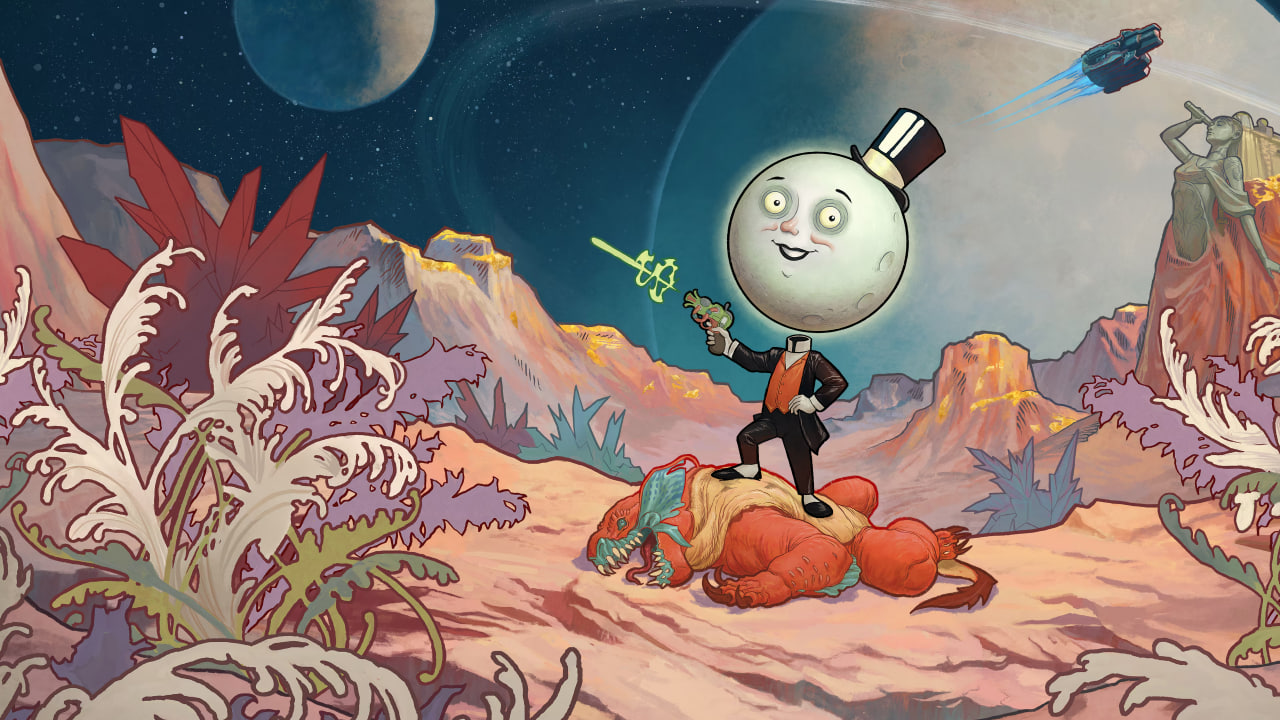
Let's talk about choice. In the vast, sprawling universes of modern RPGs, we're constantly presented with them. Dialogue options, faction allegiances, moral quandaries – they define our journey. But what about the choices we make for our character's very being? Their skills, their proficiencies, their path to power? Often, those choices feel less like defining moments and more like temporary assignments, thanks to the omnipresent "respec" button.
It's a seductive siren call, isn't it? The ability to completely rebuild your character on a whim, to reallocate every skill point, to instantly adapt to any challenge. Modern RPGs, from the recent Fallout titles to the expansive Cyberpunk 2077, and even the original The Outer Worlds, have embraced this player-friendly feature. It offers flexibility, minimizes regret, and theoretically allows you to "see everything" in a single playthrough. But what if that very flexibility, that comfort, is inadvertently robbing us of something far more profound: true role-playing?
Enter The Outer Worlds 2. This highly anticipated sequel, launching December 26, 2025, makes a bold, almost defiant move against this trend. It dares to take away your safety net. It dares to make your initial skill choices truly matter, because once you've made them, there's almost no going back. And in doing so, it paradoxically makes the act of role-playing far more rewarding than ever before.
The Temptation of the "Jack-of-All-Trades"
I'm guilty of it. You're probably guilty of it too. The moment a new RPG drops, there's that irresistible urge to be good at everything. A bit of combat prowess, a dash of lockpicking, maybe some hacking for those hidden terminals, and enough speech to talk your way out of (or into) anything. We spread our skill points thin, aiming for a versatile character capable of tackling any situation. The result? A character that's often a master of none, capable of clearing minor skill checks but falling short when it truly counts.
In games with respec options, this isn't a problem. Just hit the button, reallocate, and boom – you're a combat monster for that tough boss, then a master hacker for the next quest. If there's no respec, many of us, myself included, would just grind for extra skill points until we could unlock everything anyway. While this approach allows us to "see all the content," it often comes at the cost of narrative consistency and character identity. Our avatar becomes less of a defined persona and more of a customizable tool, interchangeable for whatever the current objective demands.
The Outer Worlds 2: Commitment is Key
Obsidian Entertainment, known for their deep RPG experiences, clearly recognized this pitfall. The Outer Worlds 2 throws down the gauntlet: outside of a single, early opportunity right after the opening sequence, there is no respecing. On top of that, leveling is deliberately paced, and you're only granted two skill points per level. When faced with a massive, enticing list of skills, those two points feel precious – and your choices, permanent.
This design philosophy demands a different approach right from character creation. You can't afford to be a dilettante. You have to commit. Take my Commander Ash, for example. I envisioned her as an outlaw, a smooth-talking space cowboy. I focused her initial points heavily into guns, speech, and lockpicking. That was her identity: get in with words or a pick, get out with a bullet if necessary. I even squeezed in a couple of points for medicine, but that small deviation meant I still couldn't crack a particular lock in a main quest area – a lock I felt I was over-leveled for! Not every door can be lockpicked open, and some people, as I quickly learned, just can't be reasoned with.
The Factory Manager Incident: A Defining Moment
My Commander Ash was tasked with settling a labor dispute for a corporate conglomerate. Equipped with her charisma and thieving fingers, I expected to talk my way into a worker-friendly resolution. I smoothly infiltrated the facility, even gathering some blackmail on the manager. Confronting her, I laid out the workers' demands, confident my high speech skill would prevail. It didn't. No amount of smooth-talking would make her budge; quotas were paramount.
Suddenly, my meticulously crafted character hit a wall. An engineer or hacker might have found a solution by messing with the factory equipment. But Ash wasn't built for that. She was good at three things, and two were exhausted. So, Commander Ash did the only thing her character would do: she shot the manager in the face and told the striking workers to seize the means of production. What could have felt like a game "failure" for not offering a speech solution, instead felt absolutely right for the story I had built for her. It was authentic. It was impactful.
The Benefits of Limited Character Progression
This lack of a respec button, coupled with carefully managed skill points and slower leveling, fundamentally alters the RPG experience in The Outer Worlds 2. It’s not about finding the optimal build or grinding until you can do everything. It’s about creating a character with strengths and, crucially, with weaknesses. It’s about living with those weaknesses and finding creative ways to overcome obstacles with the tools you do possess.
The game pushes you to inhabit your role, to truly role-play. My Commander Ash had satisfying moments convincing low-level thugs to abandon their corporate masters, choosing dialogue options that reflected her outlaw nature. When a villain began a tiresome monologue, selecting the "attack now" option felt natural; she'd heard enough, and she was confident in her gunslinger skills. This commitment to character is further enhanced by the game's excellent flaws system, allowing you to lean into specific character quirks for tactical benefits – like my character's habit of constant reloading, which, when embraced as a flaw, provided a useful damage buff.
What's more, your choices resonate with your companions. My devoted Earth Directorate agent, Niles, once so hopeful, slowly transformed into an outlaw himself. My actions, my "solutions" to problems – like shooting that manager – taught him that sometimes, a bullet is the only way. Large organizations won't always have your back. His character arc felt earned, a direct consequence of my unwavering commitment to Ash's identity.
Why The Outer Worlds 2's Design Choice Works
- Authentic Role-Playing: Forces players to commit to their character's strengths and weaknesses, making choices feel more meaningful.
- Impactful Decisions: Skill allocations aren't temporary; they shape your entire journey and force creative problem-solving within your chosen skillset.
- Narrative Cohesion: Your character's abilities directly inform their actions and reactions, leading to a more consistent and believable personal story.
- Consequence and Growth: Players learn to live with outcomes that aren't perfectly optimized, fostering a deeper connection to their character's journey and development.
- Companion Resonance: Your playstyle and choices organically influence the development and beliefs of your crew.
The Verdict: An RPG Where Choices Truly Matter
In a genre where "role-playing" is literally in the name, it might seem silly to highlight the benefits of actually, well, role-playing. But in an era of endless respecs, The Outer Worlds 2 stands out. By stripping away the ability to instantly reset your character, it amplifies the weight of every skill point, every background choice, and every decision you make in the world. Shooting that factory manager in the face wasn't just a simple, unsatisfying solution; it was precisely what my Commander Ash, the smooth-talking space cowboy who could only lockpick, talk, or shoot, would have done. This commitment to character, this refusal to let players wiggle out of the consequences of their choices, makes for an RPG experience that feels deeply personal, genuinely impactful, and ultimately, profoundly rewarding.
FAQ
Why does The Outer Worlds 2 remove respecing?
The Outer Worlds 2 removes the option to respec (outside of a single instance early in the game) to make player choices about skill allocation more impactful and permanent. This forces players to commit to their character build, fostering genuine role-playing and a stronger connection to their character's identity and story.
How does this impact my playstyle if I like to try everything?
If you're accustomed to being a "jack-of-all-trades" or frequently respecing, The Outer Worlds 2 will challenge you to adapt. You'll need to make deliberate choices during character creation and level-ups, focusing on a few key skill sets. This means you won't be able to do *everything*, but it encourages creative problem-solving within your chosen abilities and makes each interaction feel more unique to your character.
Does this mean I'll miss out on content in The Outer Worlds 2?
While you might not be able to open every locked door or hack every terminal with a single character, the game is designed to offer multiple solutions to problems. You won't necessarily "miss out" on content, but you'll experience it differently based on your character's strengths. This design encourages multiple playthroughs with distinct character builds to explore different narrative paths and outcomes, rather than trying to see everything with one versatile character.