
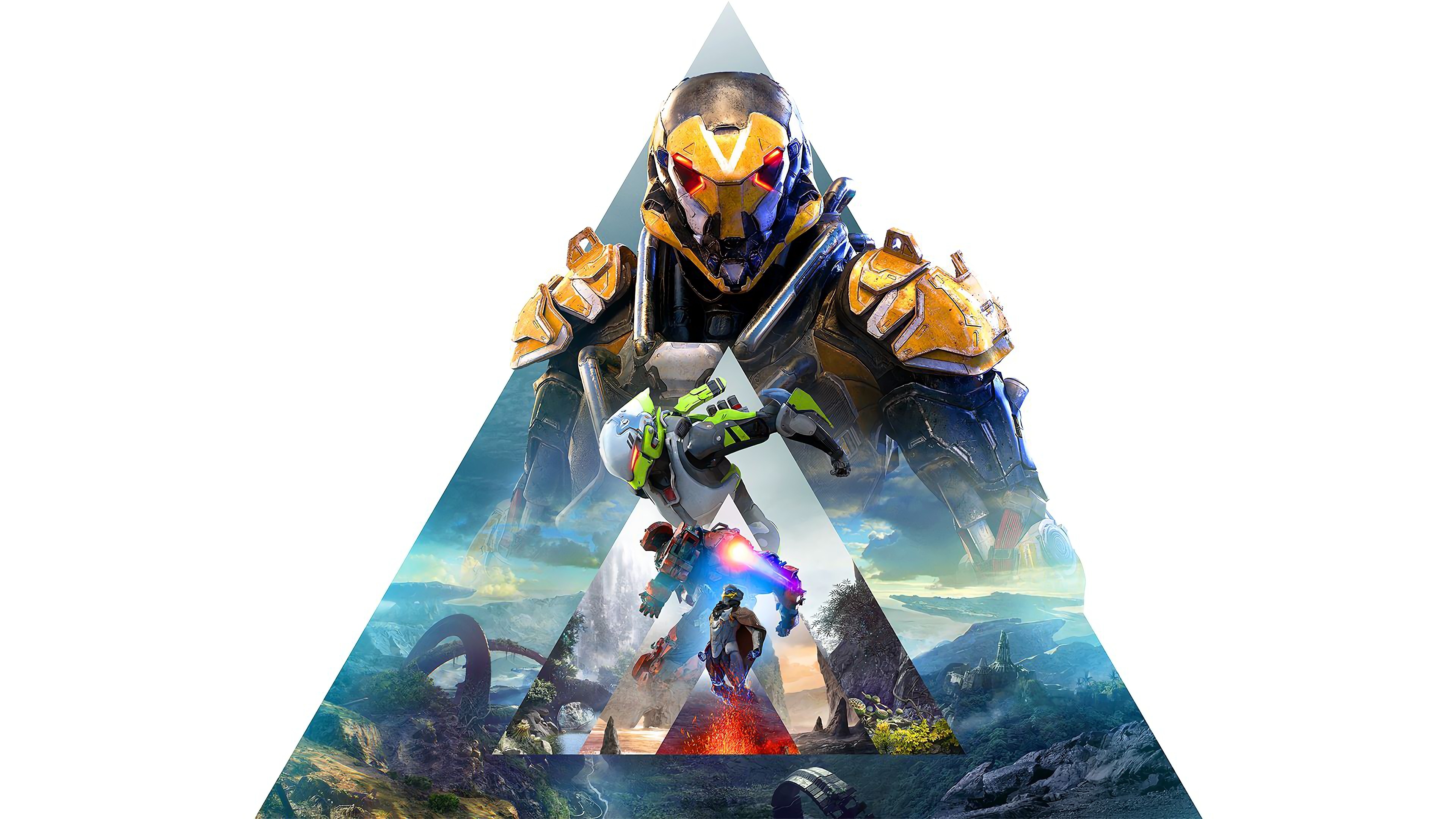
BioWare’s Anthem Gamble: A Necessary Failure or a Predictable Crash?
The Bottom Line: Former BioWare executive producer Mark Darrah has broken his silence on Anthem’s development, arguing that while the game was a massive "reach," the decision to greenlight it wasn't a mistake. We believe this defense highlights a fundamental truth about studio evolution: BioWare’s greatest successes were born from the same risky pivots that eventually led to Anthem’s demise.
It’s easy to look back at the 2019 wreckage of Anthem and claim the writing was on the wall. The game was a buggy, loot-starved mess that struggled to define its own identity. However, Mark Darrah’s recent four-hour deep dive into the project offers a perspective that many armchair developers overlook. He argues that if BioWare hadn't been allowed to "reach," we would have never seen the studio's most iconic shifts.
The Risk vs. Reward Meta
Darrah’s defense hinges on the idea that BioWare has always been a moving target. In our analysis, this is historically accurate. The studio that gave us Baldur's Gate had no business making a third-person cover shooter like Mass Effect, yet they pulled it off. They moved from the tactical, isometric roots of Neverwinter Nights to the cinematic action of Dragon Age.
The problem with Anthem wasn't the pivot itself; it was the abandonment of the "BioWare Magic"—that specific focus on narrative and character—in favor of a live-service loop the studio wasn't equipped to handle.
| Project | The "Reach" | Outcome |
|---|---|---|
| Neverwinter Nights | Transition from 2D to 3D engine. | Success: Defined a decade of PC RPGs. |
| Mass Effect | Moving from tactical RPG to Action-Shooter. | Success: Created a legendary sci-fi trilogy. |
| Anthem | Transition to Live-Service Looter-Shooter. | Failure: Servers on life support; "Anthem 2.0" cancelled. |
Don’t Just Blame EA
One of Darrah's punchiest points is his refusal to let BioWare off the hook by scapegoating EA. "It’s easy to blame EA... but it’s not all their fault," he noted. We’ve seen this narrative before—the "evil publisher" forcing a studio to make a game they don't want. But the reality is often more complex. BioWare struggled with the Frostbite engine and suffered from a lack of clear vision during the pre-production "dev hell" phase.
- Inexperience with Live-Service: BioWare tried to build a Destiny-killer without understanding the grind-heavy feedback loops required to keep a player base engaged.
- The "Reach" Paradox: By the time they realized the flight mechanics were the only "fun" part of the game, the foundation was already crumbling.
- Internal Friction: The studio's identity as a "storyteller" clashed with the "minimum viable product" requirements of a modern looter-shooter.
The Editorial Take: Was it Doomed?
We disagree with the notion that Anthem was doomed from day one. If you look at the flight mechanics alone—which remain some of the best-feeling movement systems in any game to date—there was a path to success. The failure wasn't in the "greenlight," it was in the execution and the refusal to course-correct when the "BioWare Magic" failed to materialize during the crunch.
Darrah’s comments serve as a warning for the industry. If studios stop reaching, we get stagnant franchises and endless remakes. But if they reach without a solid grasp of the genre’s fundamentals, they end up like Anthem: a beautiful shell of a game that had nowhere to go.
What’s your take? Did Anthem deserve the scorched-earth reception it received, or was it just a victim of a studio trying to evolve too fast? Drop your thoughts in the comments—just make sure your javelin’s cooling systems are functional first.