
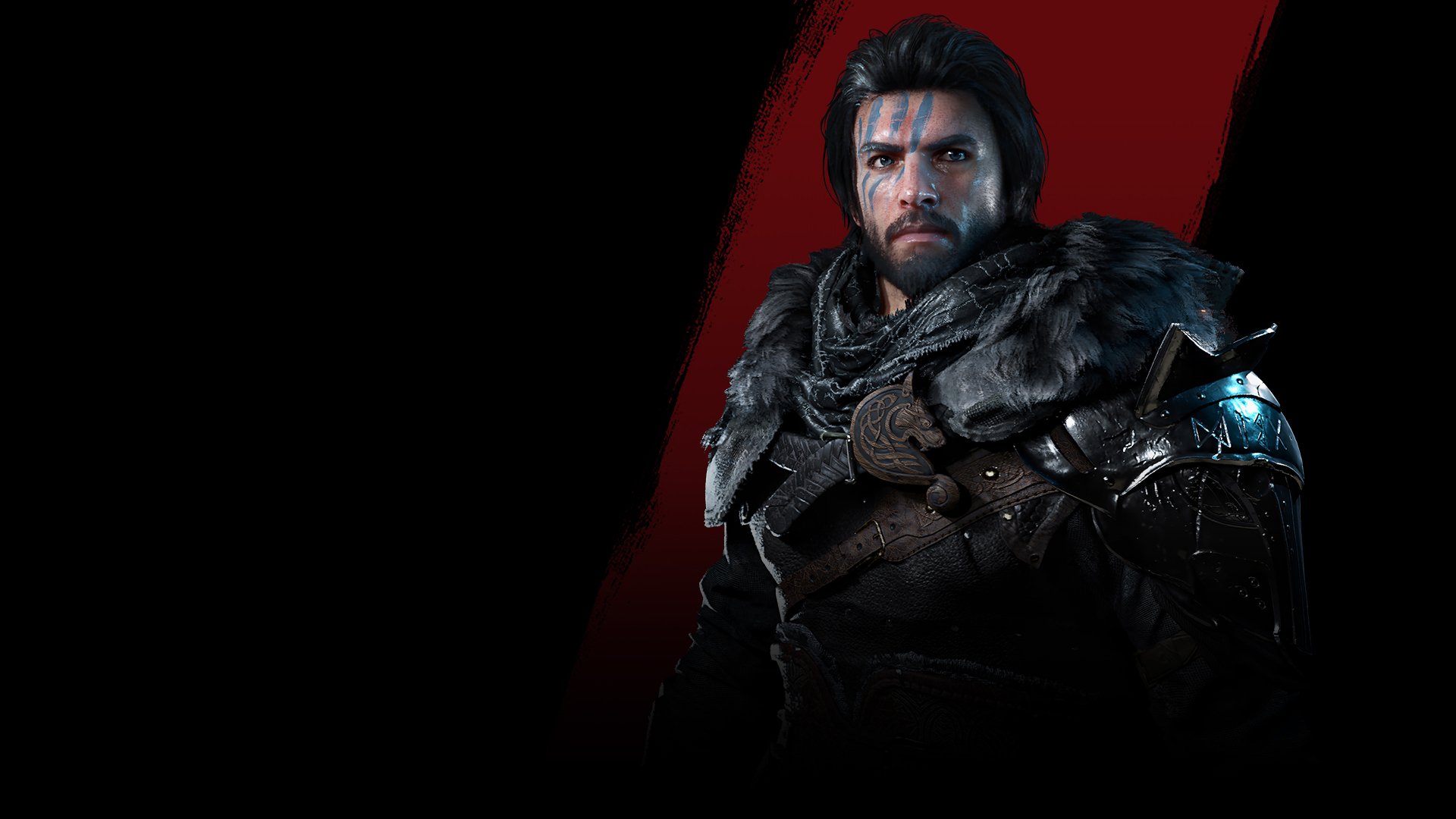
Crimson Desert’s "Everything Everywhere" Approach: Visionary Epic or Fatal Scope Creep?
The Bottom Line: Pearl Abyss is attempting the impossible with Crimson Desert, blending the systems of Tears of the Kingdom, the world-scale of Red Dead Redemption 2, and the multi-protagonist structure of GTA 5. While the technical flex is undeniable, our hands-on experience suggests a game struggling to find its narrative soul amidst a mountain of competing features. With less than two months until launch, the risk is no longer just "ambition"—it’s whether these disconnected systems can actually form a cohesive experience.
We’ve been tracking Crimson Desert for six years, watching it evolve from a Black Desert prequel into a sprawling, single-player chimera. Every time the studio shows a new trailer, the list of "influences" grows. We see the DNA of The Witcher in its gritty atmosphere, Dragon’s Dogma in its combat, and Street Fighter in its technical execution. But the latest reveal—adding two new playable protagonists alongside Kliff Macduff—feels like a pivot that could either elevate the game or collapse it under its own weight.
The Pywel Scale: Numbers vs. Substance
Pearl Abyss isn't playing it safe. They are swinging for the fences with a map that dwarfs the legendary open worlds of the last decade. However, as veteran players know, "bigger" rarely means "better" if the density isn't there.
| Feature | Crimson Desert Stat | The Competition |
|---|---|---|
| Map Size | 2x Larger than Skyrim | Larger than Red Dead Redemption 2 |
| Playable Heroes | 3 (Kliff + 2 New Classes) | GTA 5 (3), Witcher 3 (1 Main) |
| World Tech | Reactive Elemental Systems | Zelda: Tears of the Kingdom |
| Combat Style | Combo-heavy Action / Mechs | Dragon’s Dogma 2 / Monster Hunter |
Our analysis of the world, Pywel, reveals a stunning technical achievement. The water physics alone—which conduct lightning and freeze into traversable blocks—show a level of systemic interactivity we usually only see from Nintendo’s EPD teams. But here is the rub: in a Zelda title, those mechanics are the foundation of every puzzle. In Crimson Desert, we worry they are merely "cool things we could do," rather than essential gameplay pillars.
The Multi-Protagonist Pivot
The addition of two new heroes—a rogue-ish, pistol-wielding woman and a heavy-hitting brute with a wrist-mounted machine gun—changes the calculus of the entire campaign. While Kliff Macduff was originally framed as our "Scottish Jon Snow" anchor, we’re now looking at three entirely different skillsets to master.
Expert Take: Can Pearl Abyss Stick the Landing?
We have to remember that Pearl Abyss is a studio in its relative infancy regarding prestige single-player epics. Their primary pedigree is Black Desert Online, an MMORPG known for incredible combat but notoriously thin storytelling and "grind-heavy" loops. Transitioning from a sandbox MMO to a curated, narrative-driven action-adventure is a transition even seasoned Western studios have fumbled.
During our extensive hands-on sessions, the combat felt "satisfyingly flexible," yet the missions felt repetitive—heavy on castle sieges and boss fights, light on character development. We’re seeing a lot of "how" you play, but very little "why." When a developer tries to include dragons, mechs, steam trains, and complex elemental magic, they run the risk of creating a mile-wide ocean that’s only an inch deep.
Our Verdict: Crimson Desert is the most ambitious project in development right now, bar none. It has the potential to be a generational leap for South Korean game dev. However, we’ve seen this story before; games that try to be "everything to everyone" often end up lacking a distinct identity. We want to be wrong, but until we see a mission that prioritizes narrative weight over technical flash, we remain cautiously wary. Pywel is beautiful, but it needs a heartbeat.