
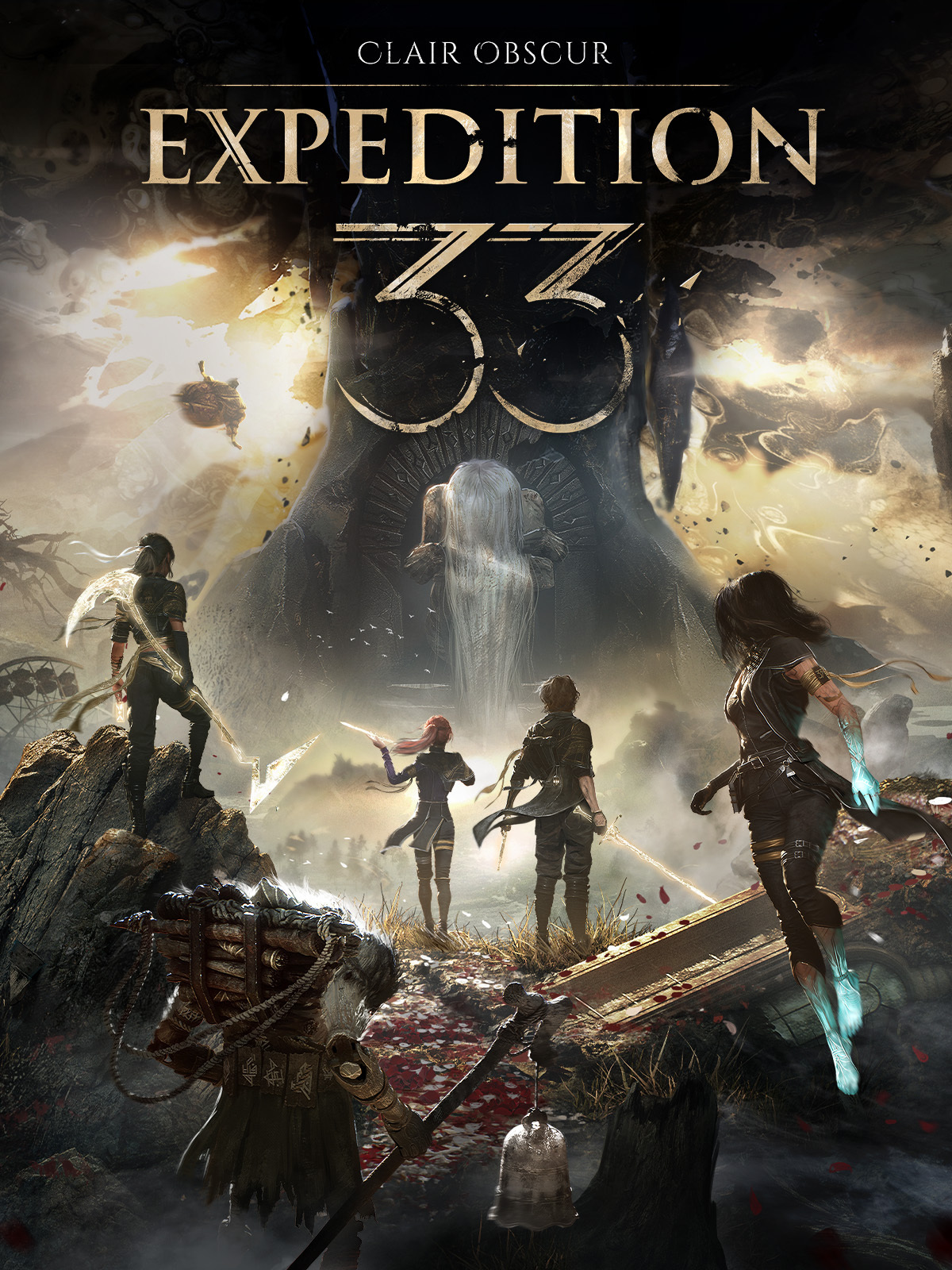
The Expedition 33 Lesson: Why AAA Publishers Must Stop Chasing "Double-A" Safety
The Bottom Line: Following the historic GOTY win for Sandfall Interactive’s Clair Obscur: Expedition 33, the industry is at a crossroads. While publishers are scrambling to pivot toward mid-budget "Double-A" projects to mitigate risk, Hazelight founder Josef Fares is right to sound the alarm: the lesson isn't to shrink the budget, but to expand the innovation. We’ve seen this cycle before, and if the "Big Three" and others simply copy-paste the Expedition 33 formula, we’re headed for a glut of uninspired turn-based clones that lack the soul of the original.
We’ve been covering this industry for over two decades, and the pattern is as predictable as a day-one patch. When Baldur’s Gate 3 shattered records, every executive meeting suddenly mandated "romance subplots" and "CRPG depth" without understanding the underlying craft. Now, with Expedition 33 proving that a "Double-A" studio can outperform the titans, we expect a pivot. But as Fares points out, "AA" isn't a magic word—it’s a budget bracket. Shifting to smaller budgets won't save a boring game.
The Innovation Gap: Lessons vs. Reflexes
The success of 2025's surprise megahits proved that players are starving for fresh ideas, not just higher fidelity. However, the triple-A sphere has become increasingly risk-averse, often terrified of anything that doesn't fit a proven monetization model. Our analysis suggests that the industry is misinterpreting the "Double-A" revolution. It’s not about spending less; it’s about the creative freedom that smaller budgets traditionally allow.
| Trend Phase | The "Safe" Corporate Reflex | The Actual Innovation Lesson |
|---|---|---|
| Post-Expedition 33 | Flood the market with turn-based RPGs with "stylized" visuals. | Refine turn-based combat with reactive, skill-based mechanics. |
| The AA Pivot | Slash budgets to $20M and expect GOTY results. | Empower smaller teams to take mechanical risks that AAA "can't afford." |
| Post-BG3 | Mandatory romance checkboxes in every genre. | Meaningful player agency and consequence-driven narrative. |
Fares’ own Split Fiction—which we gave a 9/10—is a prime example of this. It didn’t succeed because it was "smaller" than a Rockstar title; it succeeded because it pushed sisterhood themes and genre-hopping gameplay that a typical committee-led AAA project would have nerfed into oblivion during the greenlight phase.
We Need Blockbusters, Not Just Boutiques
There is a dangerous sentiment bubbling up that the AAA blockbuster is dead. We disagree. You cannot build a Grand Theft Auto or a The Last of Us on a ten-million-dollar shoestring. As Fares told The Games Business, we need the diversity of the ecosystem. If every publisher retreats to the "safety" of Double-A, we lose the envelope-pushing technical marvels that define console generations.
Our veteran staff remembers the "WoW-clone" era and the "Battle Royale" gold rush. In both cases, the market was suffocated by imitators who didn't understand why the pioneers were successful. If Ubisoft, EA, or Sony look at Expedition 33 and only see a "turn-based RPG," they’ve already lost. They should be looking at the creative audacity—the willingness to blend genres and invest in high-concept art direction.
Key Takeaways for the 2026 Pipeline:
- Don't Mimic the Budget, Mimic the Risk: AAA studios like Naughty Dog and Nintendo prove you can spend $100M+ and still innovate.
- Quality Over Category: Plenty of Double-A games flopped this year because they were mediocre. Being "indie" or "mid-market" isn't a shield against poor design.
- The "Esquie" Shape: Trend-chasing usually results in games that launch two years too late to a bored audience.
We’ve seen flashes of brilliance from major publishers taking "weird" risks recently—Capcom’s Kunitsu-Gami: Path of the Goddess comes to mind. That is the energy we need. The industry shouldn't be trying to build the next Expedition 33; it should be trying to find the next thing that makes us forget Expedition 33 ever existed. Stop copying the homework and start studying the methodology.