
Silent Hill f's Bold Setting Shift: Has Konami Over-Explained Its Own Horror?
The Bottom Line Up Front: Silent Hill f's controversial decision to relocate the terror to Japan, and its explicit framing as a "phenomenon" rather than just a town, is a risky move. While we appreciate the series' move towards an anthology format, Konami may have just pulled back the curtain a little too much, potentially sacrificing the chilling ambiguity that made Silent Hill so impactful.
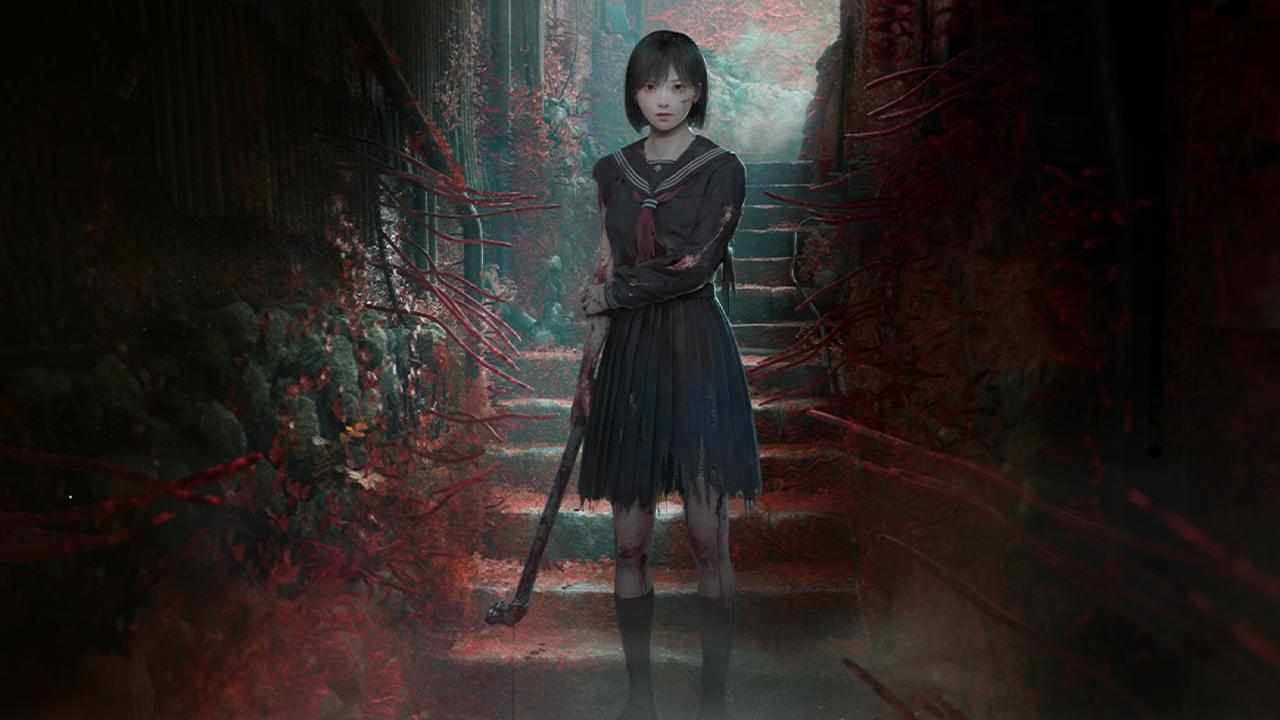
Last year's release of Silent Hill f certainly ruffled some feathers. Beyond the more action-oriented combat and a shake-up of the classic multiple-ending structure, the most significant departure was the setting. Forget the fog-choked streets of its American namesake; we're now plunged into the eerie locale of Ebisugaoka, Japan. This isn't just a geographical shift; it signals a fundamental redefinition of what "Silent Hill" even means.
Ryukishi07, the writer behind Silent Hill f, recently shed some light on this drastic change in an interview with Famitsu. He admitted to initial uncertainty about the Japanese setting, discussing it at length with series producer Motoi Okamoto. The key takeaway? "Silent Hill is not just the name of a place, it is a phenomenon," a conclusion that apparently formed during their discussions and, according to Ryukishi07, provided a "satisfying base for the story and world."
The "Silent Hill Phenomenon" Explained
This concept of a "Silent Hill phenomenon" isn't entirely new. Indeed, it was even directly referenced in last year's The Short Message. While we're certainly not against the series exploring an anthology approach – in our experienced opinion, it's exactly what the franchise needs to reinvent itself – explicitly naming and defining this "phenomenon" feels like a misstep.
Here's our take:
- Revel in the Mystery: The true horror of Silent Hill has always stemmed from its ambiguity. The unknown, the unsettling dread that emanates from a place that is both tangible and deeply psychological, is what sticks with players long after the credits roll.
- Showing Your Hand: By codifying "Silent Hill" as a distinct, definable phenomenon, Konami risks demystifying the very elements that make it terrifying. It's like a magician explaining their trick before the finale.
- Anthology vs. Over-Explanation: An anthology format allows for diverse interpretations of the Silent Hill mythos. However, labeling it a "phenomenon" feels less like an exploration and more like a definitive explanation, potentially limiting future creative directions.
A Worthwhile, If Revealing, Entry
Despite our reservations about this narrative choice, we must concede that Silent Hill f itself is a solid entry. The game delivers on many fronts, and if you haven't experienced it yet, we highly recommend giving it a shot. The new setting and the attempt to broaden the series' scope are certainly ambitious. It's just a shame that in pursuit of defining the undefinable, they might have lost a little bit of the magic that made us fall in love – and fear – Silent Hill in the first place.