
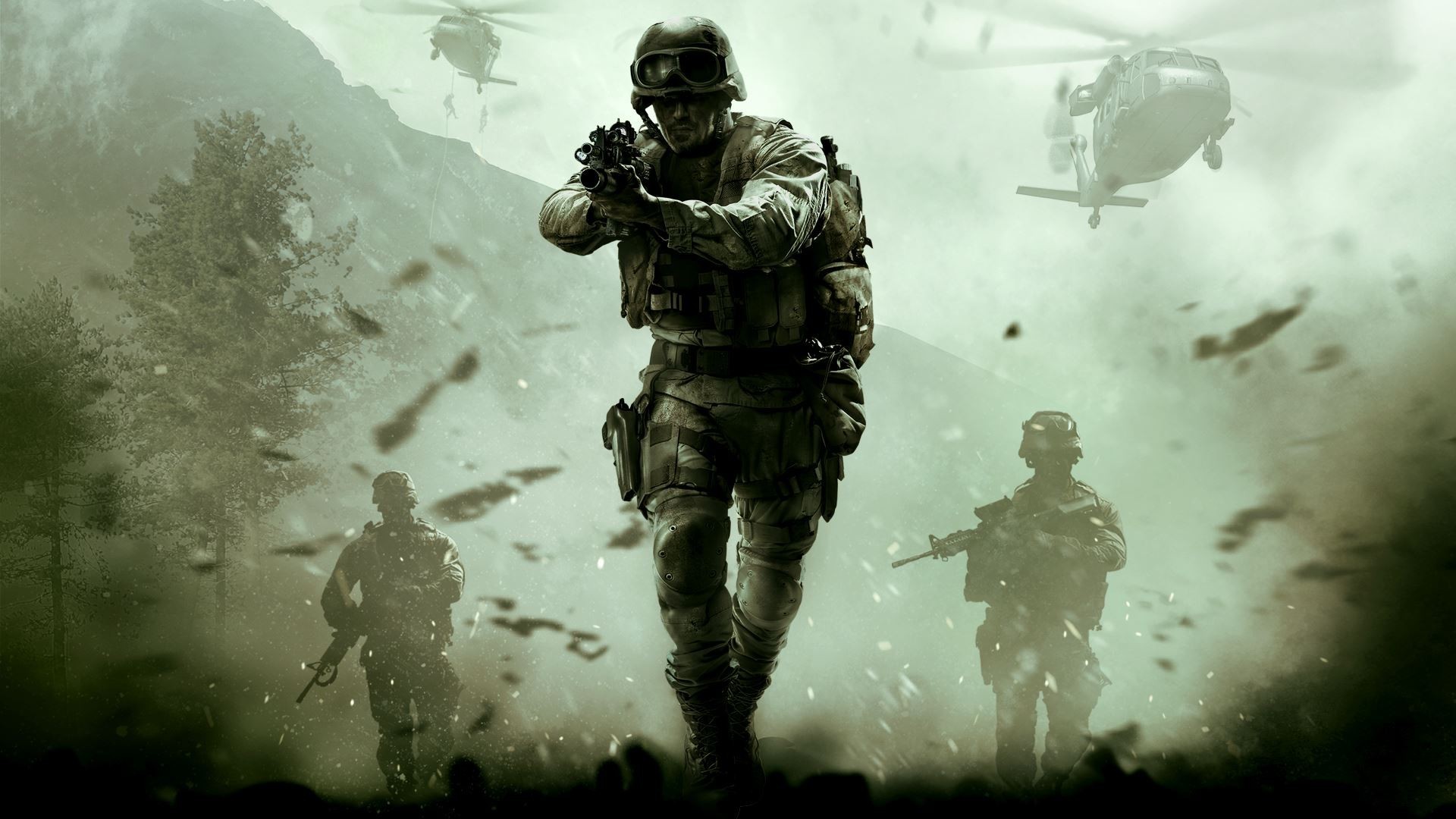
We've often highlighted how government intervention shapes the gaming industry, from tax incentives to content regulations. But Russia's latest move goes beyond standard practice: the Kremlin is actively considering backing a homegrown, big-budget military shooter, a direct competitor to Western juggernauts like Call of Duty. Our analysis suggests this isn't just about economic development; it’s a clear and deliberate pivot to weaponize gaming as a tool for national narrative, born directly from a lawmaker's outcry against perceived "Russophobic propaganda" in existing titles.
The catalyst for this bold initiative is Deputy Head of the State Duma’s economic policy committee, Mikhail Delyagin. He wasn't just critical; he was "absolutely horrified" by the Call of Duty: Modern Warfare series. Delyagin's core grievance is straightforward: players are "almost always shooting at Russian soldiers," which he described as "a very unpleasant experience... a kind of horrific masochism." Furthermore, he condemned the portrayal of positive Russian characters only when they "collaborate with American and British saboteurs," a narrative he deemed particularly "horrific" in the current geopolitical climate.
This isn't just talk. Delyagin pushed for a ban on Call of Duty and simultaneously petitioned Russia's Ministry of Digital Development for a domestic alternative. His vision? A high-budget shooter where the player controls a Russian military or intelligence operative, with "antagonists and targets" explicitly drawn from "unfriendly countries (Ukraine, Great Britain, the United States, France, and others)."
And here's where the Kremlin steps in. While no developer has officially committed to such a project, the Ministry of Digital Development confirmed it's ready to review funding applications. Should an application align with this nationalist theme, the government is prepared to offer significant support:
- Reduced corporate income tax rate: 5% (compared to the standard 20%)
- Reduced insurance premium rates
- Partial VAT exemption in certain cases
Delyagin himself acknowledges the massive financial undertaking, estimating the cost of a Russian Call of Duty equivalent could hit as much as 10 billion rubles (nearly $130 million USD). Such figures would undoubtedly be out of reach for most domestic devs without substantial state backing.
On its face, government support for a burgeoning tech or creative industry isn't groundbreaking. We've seen this model play out globally. Canada, for instance, has become a powerhouse for game development precisely because provincial governments offer generous tax breaks and funding options. Ubisoft, a French company, has more offices in Canada than in its home country, and it's certainly not just for the poutine. This demonstrates that government incentives are a standard, if often opaque, part of the corporate ecosystem.
What makes Russia's play so compelling, however, is the explicit nationalist agenda driving it. This isn't merely about fostering innovation; it's about crafting an alternate reality, a direct counter-narrative to what's perceived as Western cultural hegemony. Historically, in popular military shooters, Russian players often find themselves in the unenviable position of gunning down "their own boys." This new initiative aims to flip that script entirely.
This isn't Russia's first foray into state-backed gaming initiatives. In 2022, following the exodus of Western tech companies, the country explored creating a "national game engine," an ambitious project ultimately scaled back due to expense. The current proposal for a Call of Duty rival feels like a more focused, politically charged iteration of that earlier ambition. We've also seen precedents elsewhere; China's military released its own shooter, "Glorious Mission," back in 2013, which found considerable success within its borders. The playbook exists.
The core question for us, as gamers and industry observers, is whether Russia can actually pull off a *credible* Call of Duty competitor. Crafting a triple-A shooter requires not just immense funding, but a deep bench of experienced talent, cutting-edge technology, and a design philosophy that resonates with players globally—or at least domestically. The stakes are high, not just for the Russian government's narrative aspirations, but for the local game development scene. We'll be watching closely to see if this ambitious, politically charged venture can move beyond rhetoric to deliver a truly impactful gaming experience.