
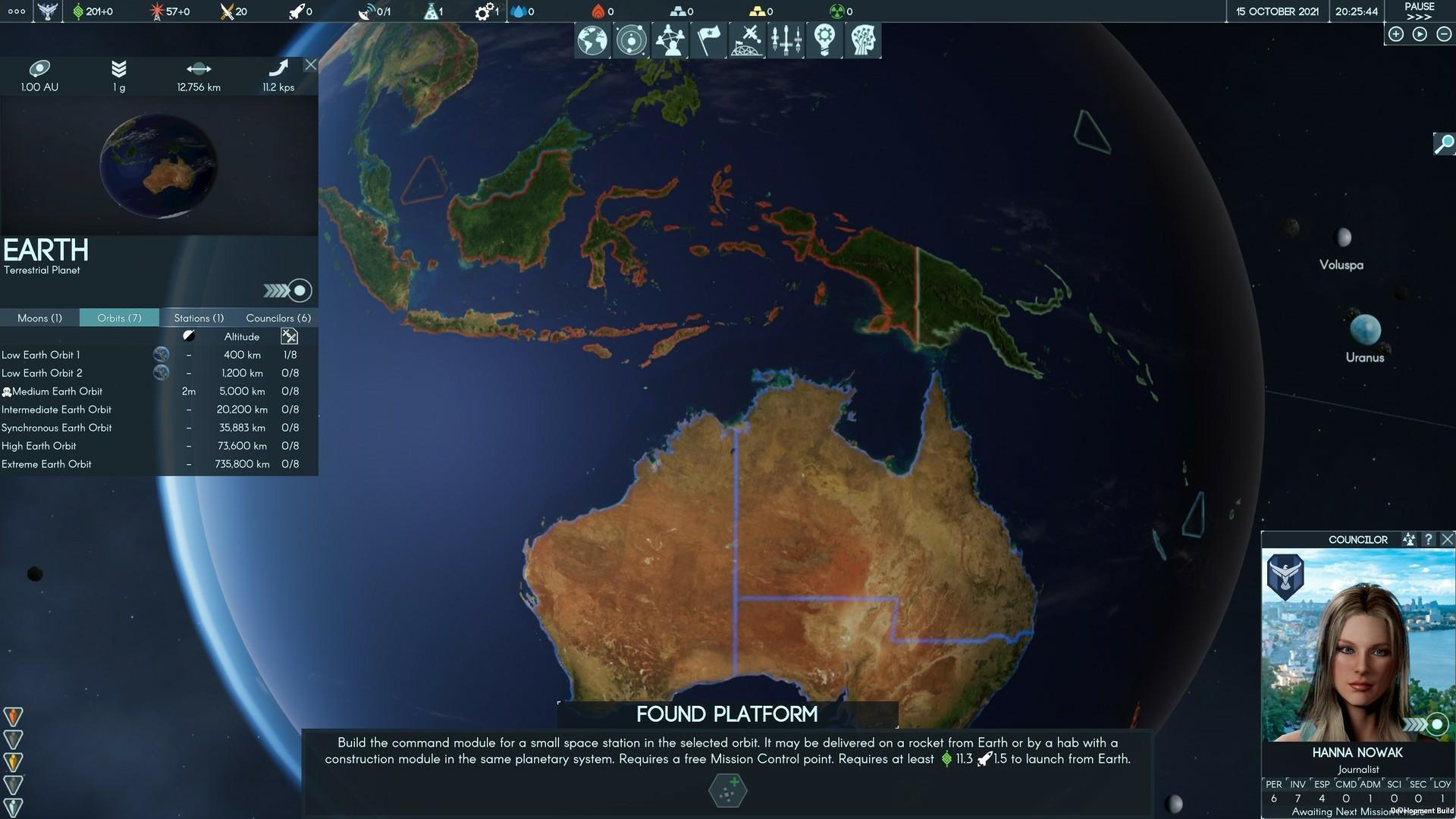
The Long War Just Got Longer: Terra Invicta Hits 1.0
The Bottom Line: After years in the trenches of Early Access, Pavonis Interactive has finally pushed Terra Invicta to its 1.0 milestone. This isn’t just another alien invasion sim; it is a brutal, hyper-complex geopolitical engine that demands hundreds of hours to master. With a current 35% discount ($26/£23) and a provocative new 2026 start date that mirrors our current global instability, it is the most ambitious grand strategy game on the market today.
Beyond X-COM: A New Bar for Complexity
We’ve been following Pavonis Interactive since their days developing The Long War mod for X-COM—a project that famously turned a tight tactical shooter into a grueling marathon of attrition. With Terra Invicta, they haven’t just moved the goalposts; they’ve redesigned the entire stadium. If X-COM is about the squad, Terra Invicta is about the spreadsheet, the senate, and the solar system.
Our analysis suggests that the 1.0 tag is more of a "graduation" than a radical overhaul. The game was arguably ready for prime time following last year’s Release Candidate 1, which overhauled the orbital combat to feel less like Star Wars and more like the cold, Newtonian physics of The Expanse. However, the 1.0 update brings a "ripped from the headlines" weight to the simulation that we find both daring and necessary for the genre.
Key Update Specs: Terra Invicta 1.0
| Feature | Impact on Gameplay |
|---|---|
| 2026 Start Condition | Incorporates current geopolitical flashpoints (e.g., Ukraine) into the opening board. |
| 35% Launch Discount | Lowers the barrier to entry for a notoriously "hardcore" niche title. |
| Expanded Localization | Adds support for Czech, Italian, Korean, Russian, and Ukrainian players. |
| Legacy Scenario (2070) | Allows veteran players to skip the early-game research grind and jump straight to interplanetary war. |
Why the 2026 Start Matters
In most grand strategy games, the "modern day" is a sanitized abstraction. Pavonis has taken the opposite route. By pushing the start date to 2026, the game forces you to grapple with the fractured reality of modern Earth politics before you even think about putting a shipyard on Mars. We believe this adds a layer of "Information Gain" for the player—it isn't just about min-maxing research points; it’s about navigating a world that is already on the brink of domestic collapse.
For those of us who grew up on a diet of Deus Ex and Crusader Kings, the appeal here is the sheer scale. You aren't just defending Earth; you are deciding what Earth becomes. Whether you choose to resist, submit, or simply flee the planet, the simulation tracks everything from environmental tipping points to the loyalty of your space habitats.
The Road Ahead: This Isn't the Finish Line
While 1.0 is a "major milestone," Pavonis is sticking to the "Long War" philosophy by extending the development roadmap well into the future. Based on our experience with the developer's pedigree, these aren't just fluff features; they are foundational shifts to the meta. Here is what we are keeping an eye on:
- Cold War Scenario: A retro-fitted start date that will likely appeal to the Twilight 2000 crowd.
- Post-Nuclear Rebuild: An "end-state" scenario where you attempt to repel Xenos while Earth is a radioactive husk.
- Hab Loyalty & Refugee Mechanics: Systems designed to punish players who ignore the "human" element of their space-faring empires.
- Environmental Tipping Points: A mechanic that turns climate change into a primary antagonist alongside the aliens.
Our Take: If you find modern strategy games too "gamey" or simplified for mass appeal, Terra Invicta is the antidote. It is dense, it is intimidating, and it treats the player with a level of respect (and ruthlessness) that is rare in the current industry. At $26, it offers a price-to-hour ratio that is practically unbeatable for the serious strategist.