- Genre Evolution: The definition of an MMO has shifted from pure "grind-fests" to include cozy puzzles, hardcore shooters, and side-scrolling social hubs.
- No-Cost Entry: These titles offer deep gameplay without time-gating or mandatory upfront costs, perfect for testing the waters.
- Enduring Classics: Titles like Guild Wars 2 and Final Fantasy XIV have stayed relevant for over a decade through massive overhauls and consistent updates.
- Niche Appeal: Whether you want a player-run economy (Albion Online) or a vote-based democracy (Old School RuneScape), there is a specific flavor for every type of gamer.
The Heavy Hitters: Reliability and Polished Gameplay
Guild Wars 2 (ArenaNet)
Even in 2025,
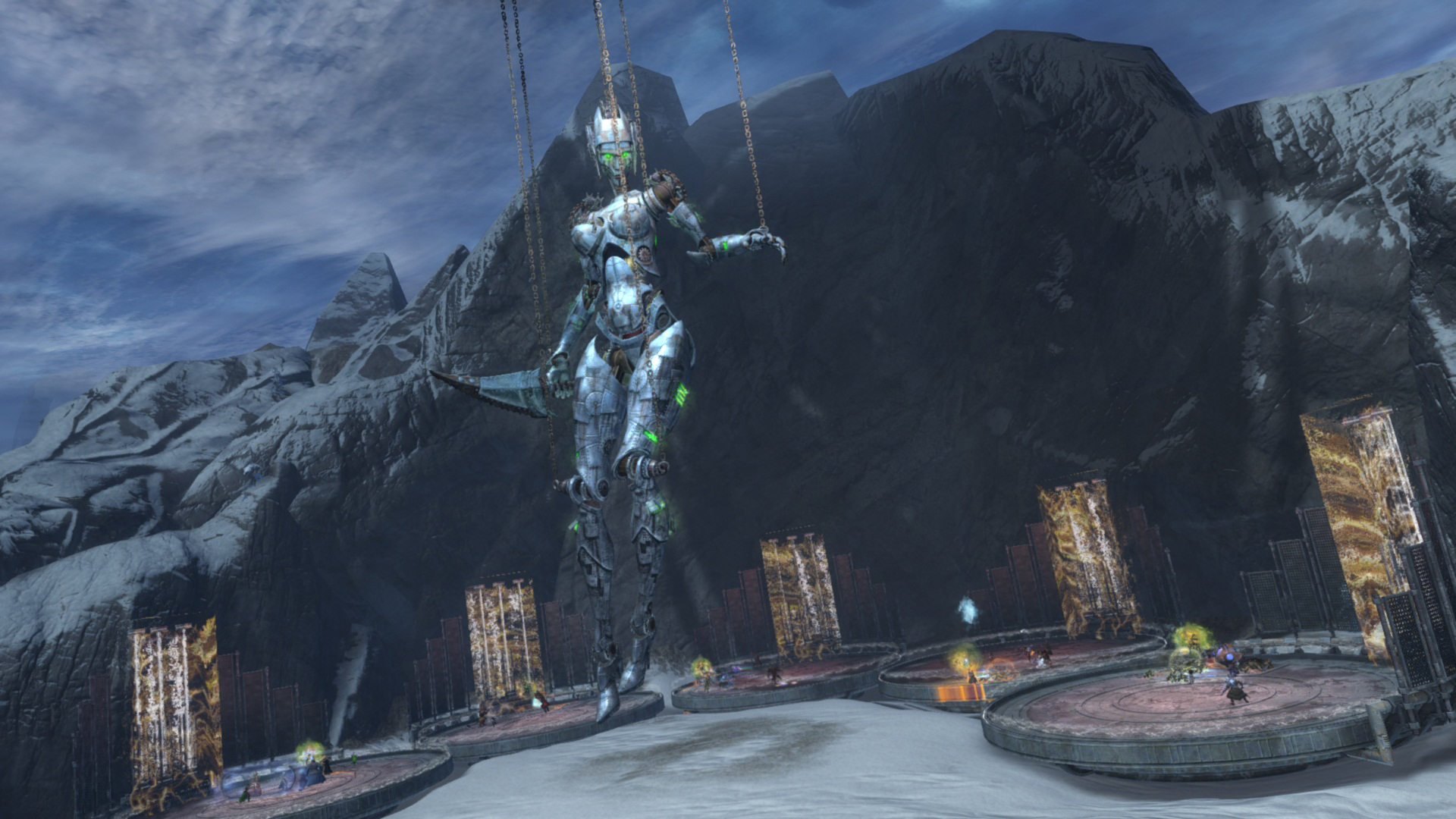
Guild Wars 2 remains a top-tier recommendation. Unlike the "hamster wheel" design of its competitors, this game actually lets the world shift based on player actions. It feels more like a single-player RPG experience at times, which is a massive win for those tired of static environments. It’s action-oriented and has been maintained with a level of care that puts many newer titles to shame.
Final Fantasy XIV (Square Enix)
The 2013 reboot remains the gold standard for how to save a failing game. What sets it apart for us is the job system—you can play every single class on one character. No more "alt-itis" or re-running the same early-game quests just to try a new role. The story gets incredibly strong once you hit the expansions, and the soundtrack is easily some of the best in the business.
Star Wars: The Old Republic (EA/BioWare)
If you miss the old-school BioWare storytelling, this is where you find it. It’s effectively a classic RPG grafted onto
World of Warcraft mechanics. It’s also the lone survivor of the pre-Disney
Star Wars canon. While it went free-to-play shortly after its $200 million launch, the narrative depth remains unmatched in the genre.
Hardcore Challenges and Sandbox Freedom
Albion Online (Sandbox Interactive)
Don't let the fantasy aesthetic fool you—this is a brutal sandbox. The economy is entirely player-run, and there are no "rails" to guide you. It’s got a steep learning curve, but if you want to be a master crafter or a specialized gatherer rather than just another soldier, this is your game.
Stalcraft: X (EXBO)
This is the
S.T.A.L.K.E.R. experience but with the added "hell" of other players. Set near Chernobyl, you’re dealing with mutants, radiation, and rival factions. It’s built for masochists who enjoy high-stakes survival. If you like your games gritty and punishing,
Stalcraft delivers.
Destiny 2 (Bungie)
While the "Light and Dark" saga wrapped up in 2024 and player counts have dipped, the "gun feel" is still king. No other MMO-adjacent shooter matches Bungie’s moment-to-moment combat loop. The grind can be real, but the mechanical polish keeps it on the list.
Unique Settings and Niche Experiences
Sky: Children of the Light (Thatgamecompany)
This is the ultimate "change of pace" game. From the creators of
Journey, it’s a cozy MMO focused on social puzzles and making friends rather than killing bosses. It’s the perfect antidote to the typical quest-grind burnout.
Secret World Legends (Funcom)
Most MMOs retreat into high fantasy, but
The Secret World leans into modern conspiracy theories and folklore. Playing as the Illuminati or the Templars in a dark fantasy version of our society feels incredibly fresh, even if the underlying mechanics are traditional.
Warhammer Online: Return of Reckoning
This is a fascinating case of community dedication. The original game died in 2013, but fans brought it back. This fan-run version has actually outlived the original's lifespan and includes QoL improvements and balance changes that the official devs never got to implement.
The "Old School" Legends
RuneScape / Old School RuneScape (Jagex)
RuneScape pioneered the "throwback" mode, and
OSRS remains a unique democracy where updates require a 70% community approval rating. It’s open-ended, non-linear, and proves that 2001-era design still has legs in the modern market.
Tibia (CipSoft)
Older than
EverQuest,
Tibia is a 1997 relic that’s still kicking. Its top-down pixel art might look primitive, but it contains the DNA of every modern MMO. For gaming historians or those who want a truly retro experience, it’s a must-see.
Lord of the Rings Online (Standing Stone Games)
If you want the best lore in the business, this is it. It’s a
WoW-style clone in terms of mechanics, but the dedicated fan base ensures this version of Middle-earth will probably be around forever. It’s less about "innovation" and more about inhabiting a world you already love.