
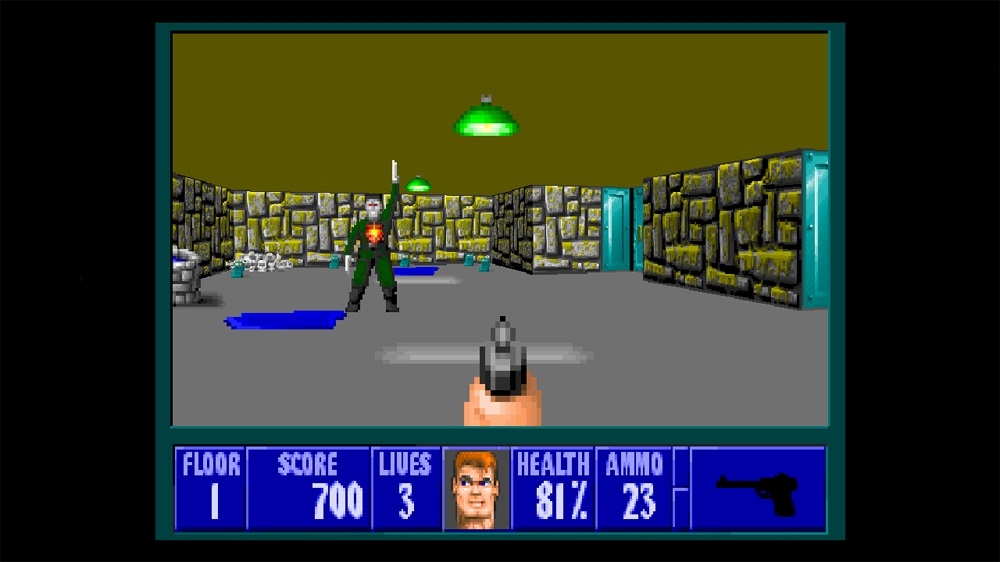
The architect of our digital playgrounds, John Carmack, has offered a rare glimpse into the primordial soup of id Software, marking the studio's 35th anniversary (albeit a day late) with a reflection that underscores an undeniable truth: necessity truly is the mother of invention. Our take? This isn't just nostalgia; it's a stark, almost poetic, contrast between the "age of constraints" that birthed Doom and Wolfenstein 3D, and Carmack's current world of "petaflops of tensor calculations" in AI research. It highlights the enduring power of foundational genius even as its creators pivot to new frontiers.
id Software: A Legacy Forged in Fire (and Floppy Disks)
id Software, founded on February 1, 1991, didn't just make games; it defined genres. Titles like Doom, Quake, and Wolfenstein 3D weren't just releases; they were seismic events that reshaped the gaming landscape. Carmack's recent video, flanked by Nick Derington's 'Ode to id' posters, reminds us of the almost inconceivable limitations that forged these titans.
We're talking:
- 16 MHz CPUs: Barely enough processing power to run a modern calculator app.
- 640k of RAM: A laughably small fraction of today's standard 16GB.
- Floppy Disks: The glacial pace of data transfer was a development hurdle we modern gamers can scarcely comprehend.
- 320x200 Graphics: A resolution that would make even the most retro enthusiast wince today.
"It was an age of constraints," Carmack reminisced. "Code, art, and design had to work closely together to find the very best corner of this tight little box." And boy, did they find it. This wasn't just development; it was wizardry, a masterclass in squeezing every last drop of performance from primitive hardware. It’s a philosophy that, in our opinion, often feels lost in today's era of bloatware and endless patches.
The Doom Standard: More Than Just a Game
The transition from those humble MS-DOS rigs for Wolfenstein 3D to the higher-specced NeXT workstations for Doom was, as Carmack himself noted in 2016, an "eye-opener." It was here that the true potential of their "merging of code, art, and design" truly exploded into the mainstream consciousness.
The consequence of this synergy is profound. Doom isn't just a classic; it's a benchmark. Its enduring legacy extends far beyond its brutal gameplay and iconic level design:
- Hardware Testing Standard: From motherboard BIOS screens to pregnancy tests and even within Doom itself, the question isn't "Can it run Doom?" but "Where can it run Doom?" This isn't merely due to low system requirements, but its elegant, optimized engine design that proved immensely portable.
- Iconic Design Language: The game's relentless pace and distinct visual style, forged under those early constraints, created an instant identity that resonated with players and developers alike. It proved that innovation doesn't always require limitless resources.
We've seen countless games try to replicate that original magic, but few capture the sheer impact of id's original work. It truly set the bar for the FPS genre for decades.
Carmack's New Frontier: AGI or Bust
Today, the man who gifted us digital demons and super shotguns is deep in the realm of artificial intelligence. John Carmack now spearheads Keen, an AI research company that secured a hefty $20 million investment round in 2022. His audacious goal: "AGI or bust, by way of Mad Science!"
This is a truly mind-bending pivot for a gaming icon. While he was a consultant for Meta's VR division, our intelligence suggests he has since stepped away from professional involvement in games. It's a bittersweet reality: the architect has moved on to build new worlds, albeit ones not contained within a traditional game engine.
Yet, the imprint he left on our industry is indelible. As we reflect on id Software's 35 years, Carmack's words serve as a powerful reminder: innovation often thrives when resources are scarce, pushing visionary minds to redefine what's possible. We at In Game News believe his legacy isn't just in the pixels he pushed or the engines he crafted, but in the relentless pursuit of the "best corner of that tight little box," a pursuit that continues to inspire us today, even as he seeks to unlock the secrets of artificial general intelligence.