
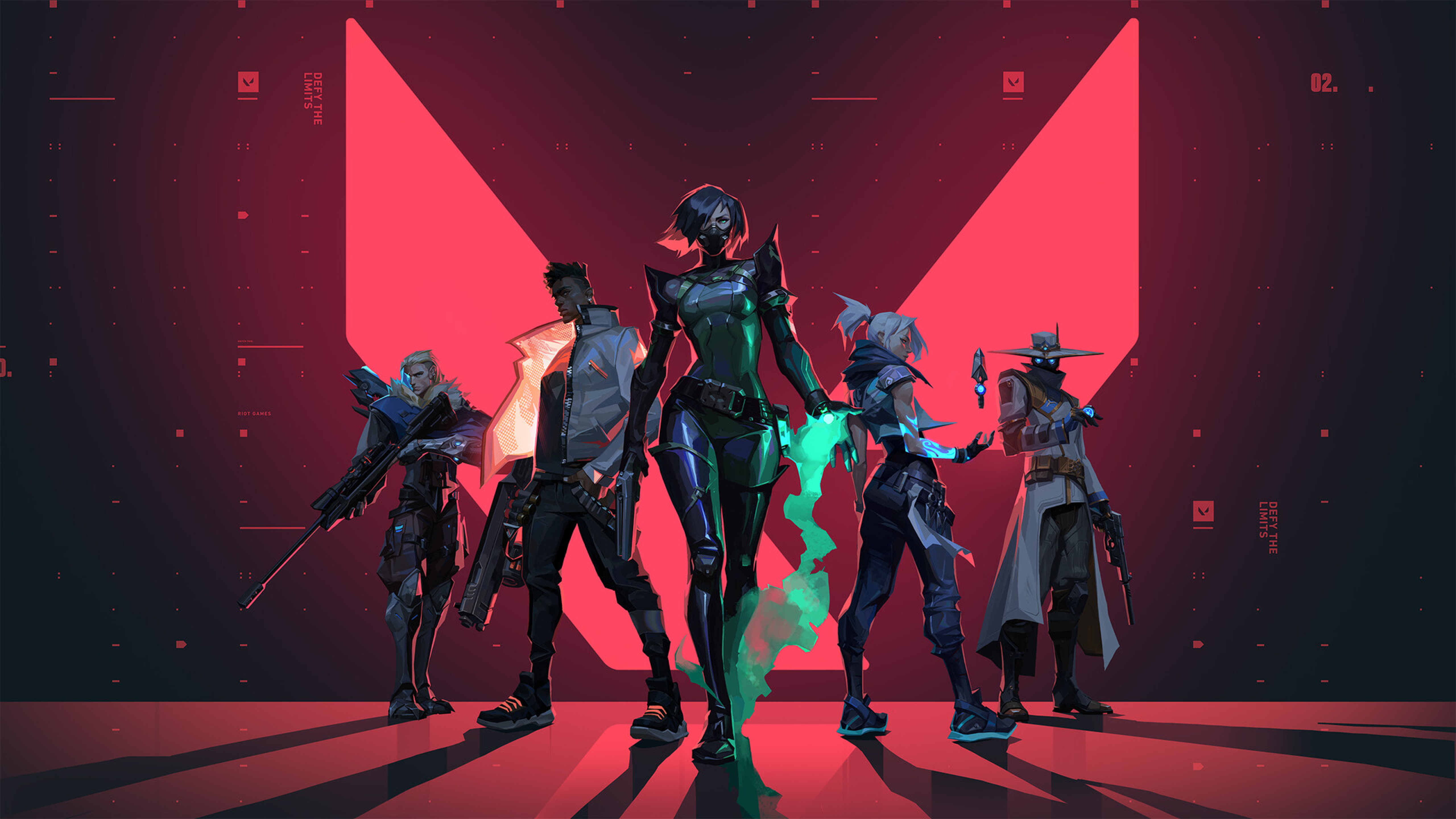
The Grind Continues: A Deep Dive into Valorant's February 2026 Rank Landscape
We're back on the range, Agents, to dissect the latest intel on Valorant's competitive ecosystem. As veterans of the tactical FPS scene, we've watched Riot's ranking philosophy evolve, sometimes gracefully, often with a few stumbles. This month’s update, featuring the February 2026 rank distribution, offers crucial insights into where the community stands and how the current system impacts your climb. Our analysis confirms that while the core structure remains familiar, the distribution figures tell a compelling story about the persistent grind and Riot's ongoing efforts to balance competitive integrity with player experience. Don't just look at the numbers; understand what they mean for your next ranked session.
The Ladder: A Familiar Ascent
Before we break down the nitty-gritty, let's revisit the hierarchy that dictates every player's standing. This is the familiar climb we've all been tackling, game after game:
- Iron 1, 2, 3
- Bronze 1, 2, 3
- Silver 1, 2, 3
- Gold 1, 2, 3
- Platinum 1, 2, 3
- Diamond 1, 2, 3
- Ascendant 1, 2, 3
- Immortal 1, 2, 3
- Radiant
It's the same ladder, but as we've learned over countless episodes, getting a foothold and staying there is the real challenge. The introduction of Ascendant a while back certainly helped to decompress the Diamond tier, but the bottleneck at the top remains a brutal gate.
Act Rank: The "Proven Skill" Dilemma
Riot's concept of an "Act Rank" — the highest-ranked win you achieve within an Act, or your "proven skill" — has always been a point of contention. While the hollow triangular badge slowly filling with miniature triangles offers a visual representation of your journey, it's that single highest win that ultimately defines your Act Rank and subsequent rewards. This system, in our opinion, is a double-edged sword.
On one hand, it acknowledges that a player hitting Diamond, even once, possesses the skill to do so. On the other, it can feel like a slight to players who consistently perform in Gold but have one lucky clutch that nets them a Plat Act Rank. The true grind often gets overshadowed by a single peak moment. We appreciate that your previous MMR is factored into subsequent placement matches, which is a sensible quality-of-life feature, preventing complete rank volatility between Acts. However, the feeling of "resetting the grind" every two months can still feel like a drag for many dedicated players.
February 2026 Rank Distribution: Where Do You Stand?
The latest rank distribution figures for February 2026, courtesy of vstats.gg, offer a telling snapshot of the current competitive landscape. These numbers are vital for understanding the population distribution and calibrating your expectations for the climb. We vividly recall Riot's concerns back in Episode 3 Act 1 about an overpopulation in lower ranks; let's see how much has truly shifted:
| Valorant Rank | Percentage of Players |
|---|---|
| Iron | 6.77% |
| Bronze | 20.73% |
| Silver | 22.97% |
| Gold | 20.64% |
| Platinum | 13.51% |
| Diamond | 9.04% |
| Ascendant | 5.11% |
| Immortal | 1.19% |
| Radiant | 0.04% |
Our interpretation? While the Iron tier has shrunk considerably since Riot's initial concerns, Bronze and Silver still represent a massive chunk of the player base, accounting for over 43%. Gold remains the statistical average, housing just over 20% of players. This implies that for most players, breaking into Platinum and beyond truly signifies stepping up your game. The elite tiers – Immortal and Radiant – remain brutally exclusive, with Radiant being the ultimate peak at a mere 0.04%. The climb from Diamond through Ascendant to Immortal is where the skill ceiling truly begins to pinch, and these percentages underline just how much you have to min-max your game to ascend.
The Rules of Engagement: Placements and Party Play
Riot’s commitment to competitive integrity is evident in the rules governing ranked play. Since Episode 4 Act 1, the account level 20 requirement has served as a necessary barrier, aiming to curb smurfing and ensure a baseline understanding of the game before jumping into ranked. We fully endorse this gatekeeping; it’s a crucial step to protect the competitive environment.
Placement matches, while a familiar ritual, also follow a structured cadence:
- Episode Start: Five placement matches required.
- Act 2 & 3 within an Episode: Only one placement match needed.
This staggered approach smooths out the transition between Acts, but it also means that your performance in that single placement game can have a significant psychological impact on your initial Act rank.
Party Restrictions: Balancing Fun and Fairness
One of the more contentious areas has always been party play. Riot attempts a delicate balance between letting friends queue together and maintaining fair matchmaking:
- Groups of Four: Strictly disallowed. This is a classic Riot move, designed to prevent solo players from being griefed or isolated by a dominant four-stack, a common pitfall in other competitive titles.
- Groups of Two or Three: Subject to strict rank disparity requirements to ensure competitive balance.
- Lowest Rank Iron/Bronze: Highest can be no higher than Silver (any tier).
- Lowest Rank Silver: Highest can be no higher than Gold (any tier).
- Lowest Rank Gold: Highest can be no higher than Platinum (any tier).
- Lowest Rank Platinum, Ascendant, Immortal, or Radiant: Highest player can be no more than one tier higher (e.g., Plat 2 can only queue with up to Diamond 2).
- Groups of Five (Five-Stacks): No disparity restrictions. However, this comes with a caveat: significant rank rating penalties may apply if the disparity is too large. This is Riot’s tax on "fun over fairness," allowing friends of all ranks to play together but ensuring they pay a price in RR gains/losses if the skill gap is too wide. It's a pragmatic solution, acknowledging that sometimes, playing with your buddies is more important than climbing the ladder efficiently.
These party rules, while sometimes frustrating for friend groups, are ultimately in place to protect the competitive integrity of the ranked queue. We've seen systems like this in other games, and while they can be a pain point, they're generally for the greater good of the player base.
Our Final Verdict
The Valorant ranking system, as it stands in February 2026, is a mature but continually tweaked beast. The distribution numbers suggest a healthy competitive spread, albeit with the expected choke points at higher tiers. Riot's commitment to mitigating smurfing and balancing party play, while not always perfect, shows an ongoing effort to refine the player experience. So, queue up, Agents. The climb is real, the competition is fierce, and your spot on the ladder is waiting.
For those looking to optimize their game, don't forget to check out our Valorant tier list for the current meta agents, grab some pro-level precision with our Valorant crosshair codes guide, and keep an eye on the Valorant Night Market for those coveted discounted skins. Need a break from the intense tactical play? Our roundup of the best PC games has you covered.