

Alien: The Roleplaying Game Design and Roman History Integration in 2026
- Game: Alien: The Roleplaying Game
- Developer: Free League Publishing
- Core Mechanic: Panic System
- Inspiration: Aliens: Phalanx by Scott Sigler
While industry giants like Respawn continue to dominate the digital space with titles such as Apex Legends and characters like Wraith, tabletop enthusiasts are finding new ways to engage with established franchises. In 2026, players are increasingly looking toward Free League Publishing’s Alien: The Roleplaying Game to explore how creative tabletop design can intersect with historical themes. Much like the competitive intensity seen in esports and the community focus of organizations like FaZe Clan, the tabletop community is actively adapting established systems to create unique, high-stakes narratives that challenge traditional genre boundaries.
Alien The Roleplaying Game creative inspiration 2026
The core appeal of Alien: The Roleplaying Game lies in its mechanical ability to replicate the tension of the film franchise. The system utilizes a unique panic mechanic that forces players to add extra dice to their pools as stress levels rise. While these additional dice can increase effectiveness in the short term, they also heighten the risk of critical failures, creating a sense of dread as characters navigate dangerous, claustrophobic environments. This design process, which prioritizes psychological tension over simple combat resolution, has become a benchmark for horror-themed tabletop experiences.
For those interested in our tabletop gaming news, the current trend of homebrewing settings within this system demonstrates its versatility. By stripping away the high-tech aesthetic of the Weyland-Yutani Corporation and replacing it with the rigid, disciplined structure of Roman legionaries, players are discovering that the game's core mechanics remain effective even in low-tech, historical settings.
How did alien novels inspire tabletop game design
Literary works have played a significant role in shaping how players approach the Alien universe on the tabletop. Scott Sigler’s novel Aliens: Phalanx serves as a primary example of this influence. The book presents a scenario where a Bronze-age settlement must defend itself against a Xenomorph infestation. The narrative goes beyond simple creature-feature tropes, incorporating nuanced discussions regarding gender roles in wartime and the logistical complexities of defending a fixed position against an apex predator.
The tactical evolution of the characters in Aliens: Phalanx, who eventually adopt formations reminiscent of Roman legionaries, provides a blueprint for how players can adapt the game. This shift from standard sci-fi survival to a more structured, historical-military approach highlights the flexibility of the Alien system. When players integrate these literary concepts into their design process, they are able to create scenarios that feel grounded in historical strategy while maintaining the existential horror central to the franchise.
The intersection of Xenomorphs and Roman history
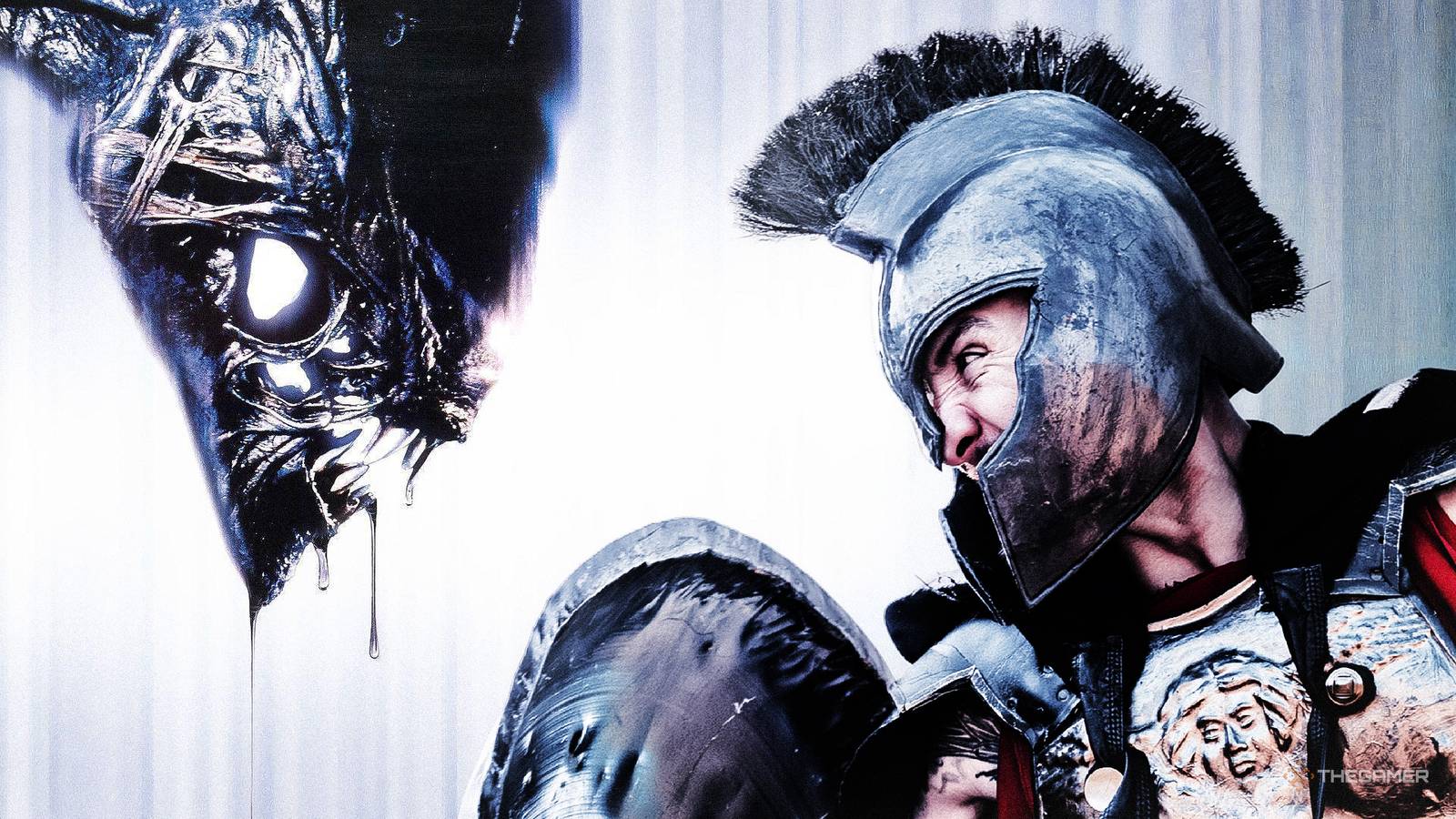
The concept of "Alien Vs Praetor"—a fan-driven scenario that pits Roman soldiers against the Xenomorph—is a testament to the community's desire for unconventional crossovers. This project is not merely about aesthetics; it requires a fundamental rebalancing of the game's mechanics. Because the original game is designed for modern or futuristic weaponry, introducing gladius-wielding soldiers necessitates a shift in how combat encounters are managed. Players must account for the lack of long-range fire support and the reliance on shield walls and discipline.
This approach allows for a different type of storytelling. In a standard game, the primary threat is the unknown; in a Roman-themed campaign, the threat is the overwhelming physical superiority of the Xenomorph against a force that relies on proximity and coordination. This transformation of the game's difficulty curve is a common practice among veteran tabletop groups who look for ways to extend the lifespan of their favorite systems.
Mechanical considerations for homebrew campaigns
- Stress Management: How to adapt the panic system for units that rely on group cohesion rather than individual survival.
- Weaponry Scaling: Adjusting damage values for melee-focused combatants against armor-piercing threats.
- Environmental Hazards: Translating the claustrophobia of a spaceship into the narrow, fortified corridors of a Roman outpost.
For more insights into how different genres influence one another, you can follow our game design analysis coverage.
Is Alien The Roleplaying Game worth playing in 2026
As the industry moves further into 2026, the value of a tabletop system is often measured by its ability to facilitate player creativity. The Alien system remains a top recommendation for those who prioritize atmosphere and mechanical tension. Its ability to support both official scenarios and highly customized homebrew settings ensures it remains relevant for both new players and experienced game masters.
While some players may prefer the structured play of digital titles, the tabletop experience offers a level of freedom that is difficult to replicate in video games. Whether you are interested in the standard sci-fi horror experience or looking to experiment with historical crossovers, the underlying design of this system provides a stable foundation for a wide variety of gameplay styles.
Frequently Asked Questions
What is the connection between xenomorphs and roman history?
The connection is a creative tabletop concept where players adapt the mechanics of Alien: The Roleplaying Game to simulate Roman legionaries fighting Xenomorphs, inspired by the tactical structure of ancient warfare.
How did alien novels inspire tabletop game design?
Novels like Scott Sigler’s Aliens: Phalanx influence tabletop design by introducing complex societal structures and tactical combat scenarios that players can translate into mechanical systems for their own campaigns.
Is Alien The Roleplaying Game worth playing in 2026?
Alien: The Roleplaying Game is considered a high-quality system in 2026, particularly praised for its panic system that adds tension and unpredictability to gameplay through an escalating dice pool.