


Co-Op Games That Totally Reinvent Themselves Halfway Through in 2026
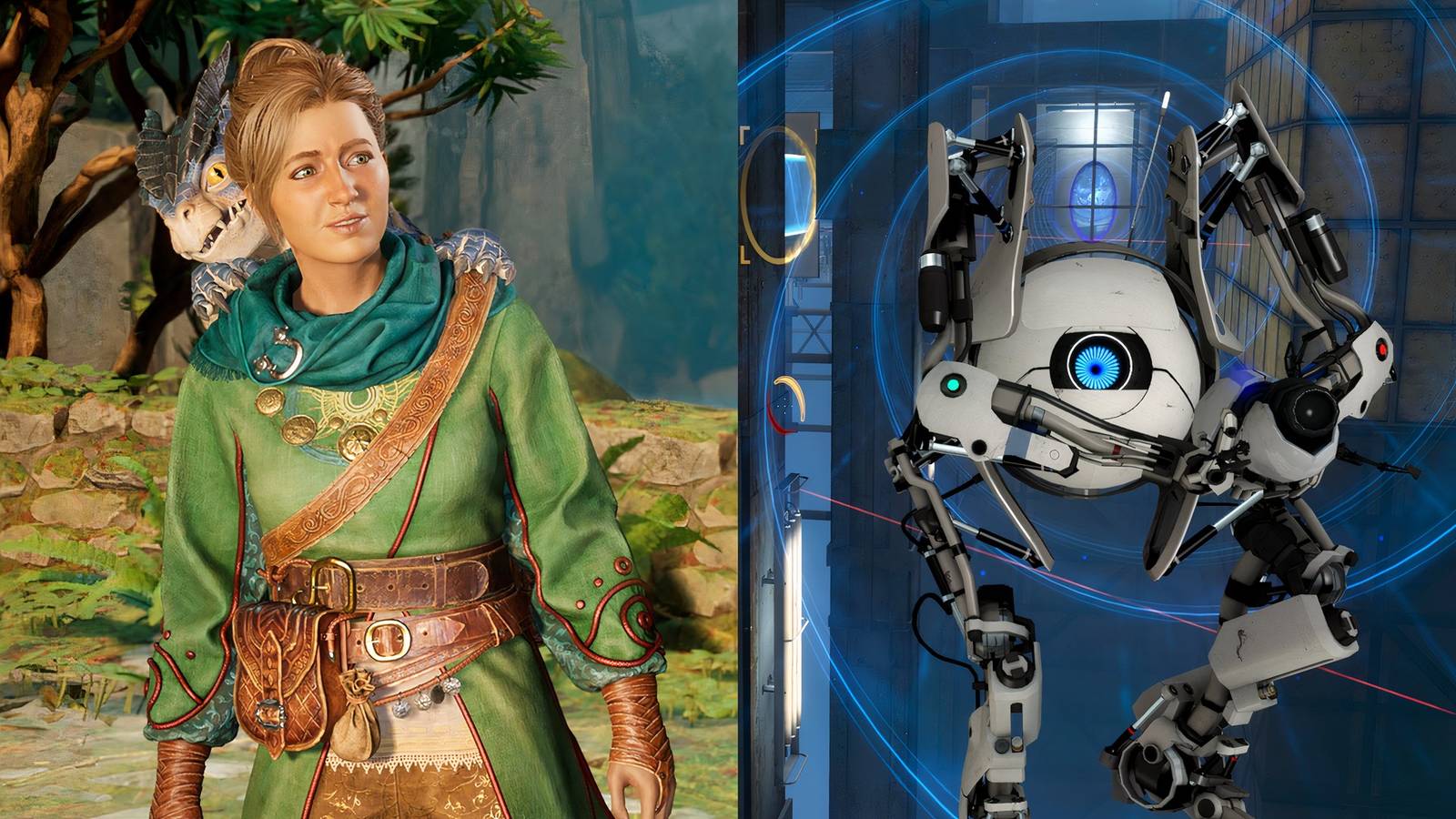
- Game Focus: Co-op titles with mid-game mechanical shifts
- Key Title: It Takes Two
- Primary Benefit: Sustained player engagement through mechanical evolution
- Platform Availability: Multi-Platform
Co-op games that totally reinvent themselves halfway through offer a unique approach to design that keeps players engaged by introducing fresh mechanics long after the initial tutorial phase. As we look at the state of cooperative gaming in 2026, it is clear that titles which refuse to remain static provide a more lasting impact on the player base. By shifting gameplay loops, developers ensure that the experience shared between two people remains unpredictable and rewarding.
At In Game News, we have tracked the evolution of cooperative design, noting that the most successful titles are those that treat gameplay mechanics as fluid elements rather than fixed constraints. Whether it is a change in perspective, a new suite of character abilities, or an entirely different genre shift, these design choices prevent the repetition that often plagues long-form cooperative campaigns. For more on how these design trends are shifting the industry, see our co-op gaming trends coverage.
The Mechanics of Mid-Game Evolution
The primary challenge in cooperative game design is maintaining interest for the duration of a campaign. When a game introduces a core mechanic in the first hour and relies on it until the credits roll, players often experience fatigue. Games that reinvent themselves halfway through bypass this issue by treating the campaign as a series of distinct phases. This approach is particularly effective in titles designed for two players, where the communication between participants is the primary driver of the experience.
In our coverage of modern cooperative titles, we have observed that these shifts often coincide with significant narrative milestones. When the story reaches a turning point, the gameplay mechanics often mirror this change, forcing players to adapt their strategies and communication styles. This creates a sense of progression that feels earned rather than forced, as the players must master new systems to overcome the escalating challenges presented by the game world.
It Takes Two and the Constant Reinvention Model
One of the most prominent examples of this design philosophy is It Takes Two, developed by Hazelight Studios and published by Electronic Arts. Unlike games that have a single, major pivot point, It Takes Two is structured to constantly introduce new mechanics. As players progress through the game, the two main characters gain unique abilities that are specific to the current level or environment.
This design choice ensures that no two sections of the game feel identical. For instance, a sequence involving platforming might be followed by a section focused on puzzle-solving or combat, with each transition accompanied by a change in how the players interact with the world and each other. For players on various platforms, including the Nintendo Switch, PlayStation 5, and PC, this constant evolution has become a benchmark for how to structure a cooperative experience that remains engaging from start to finish. You can find more analysis on similar titles in our industry analysis section.
Why Players Value Mechanical Shifts
The preference for games that change their ruleset mid-stream stems from the desire for shared discovery. When both players are learning a new mechanic simultaneously, the cooperative aspect of the game is strengthened. It forces a collaborative environment where both individuals must contribute to understanding the new systems. This is a departure from games where one player might be more experienced and can carry the other through repetitive segments.
Furthermore, these shifts allow developers to explore different genres within a single product. A game might start as a traditional third-person platformer and transition into a top-down shooter or a puzzle-heavy adventure. This variety is a key factor in why these specific titles maintain high player retention rates. By avoiding a singular, stagnant gameplay loop, these games cater to a wider audience that might otherwise lose interest in a more focused, singular experience.
Categorizing Gameplay Changes
To better understand how these games function, we can categorize the types of reinventions observed in modern co-op titles:
- Ability-Based Evolution: Players unlock new, distinct powers that change how they traverse or interact with the environment.
- Genre-Blending: The core gameplay loop shifts, such as moving from exploration to tactical combat or stealth-based objectives.
- Perspective Shifts: Changes in camera angles, such as moving from a 2D side-scrolling view to a full 3D environment, which alters the player's spatial awareness.
- Narrative-Driven Mechanical Changes: The gameplay mechanics are tied directly to the story's progression, changing as the characters' relationships or environment evolve.
These categories highlight the versatility of modern game design. By utilizing these methods, developers can keep the gameplay feeling fresh, ensuring that the cooperative experience is always offering something new for the players to discuss and solve together.
Frequently Asked Questions
What defines a co-op game that reinvents itself halfway through?
These titles feature significant shifts in core gameplay mechanics, player abilities, or environmental interactions that fundamentally change how the game is played as the story progresses.
Why do developers change gameplay mechanics in co-op games?
Developers alter mechanics to maintain player interest, prevent gameplay fatigue, and ensure that the cooperative experience remains fresh from the beginning to the end of the campaign.
Is It Takes Two considered a game that changes its mechanics?
Yes, It Takes Two is a prime example of a game that constantly introduces new abilities and gameplay sequences, ensuring that the two player characters face different challenges throughout the journey.