
Call of Duty, Black Ops 6, and More: What Shakespeare Would Play in 2026
- Primary Focus: Literary analysis of modern gaming themes
- Key Titles: Call of Duty: Black Ops 6, Clair Obscur: Expedition 33, The Last of Us Part 2, Dragon Quest XI
- Context: 2026 anniversary of William Shakespeare
- Platform: Multi-Platform
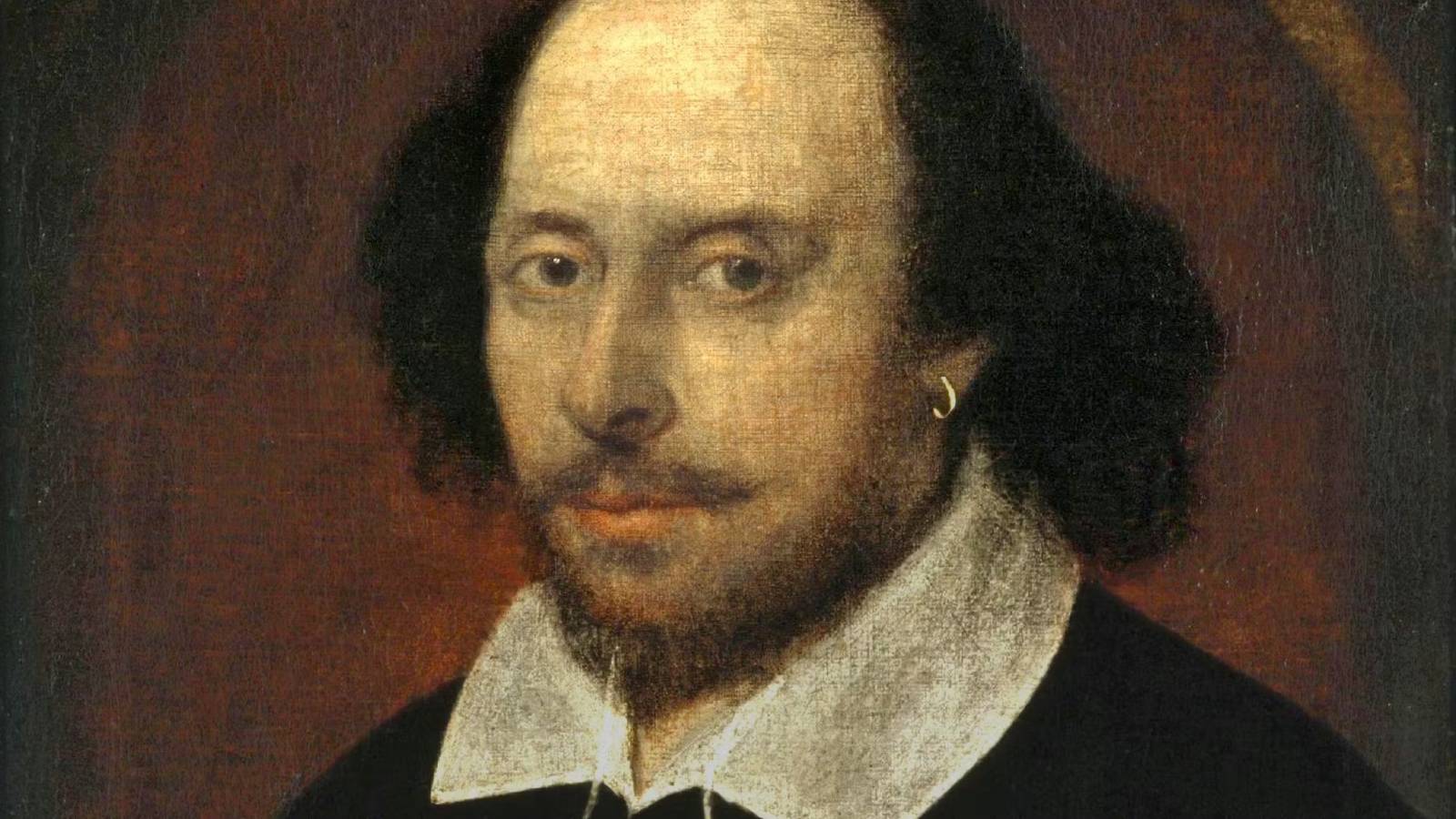
Each April marks the annual anniversary of William Shakespeare's birth, prompting a reflection on the legacy of the playwright in the modern era of 2026. While many turn to his classical works, we at In Game News have opted to examine the intersection of literature and interactive media by considering which titles William Shakespeare would enjoy in 2026, specifically looking at how modern releases like Call of Duty and Black Ops 6 compare to his historical narratives, alongside the thematic depth found in titles like Modern Warfare.
Analyzing Clair Obscur: Expedition 33 and Family Trauma
One of the most compelling connections between classical drama and contemporary gaming is found in Clair Obscur: Expedition 33, developed by Sandfall Interactive and published by Kepler Interactive. The narrative structure of this title mirrors the chaotic and destructive family dynamics famously depicted in Shakespeare’s King Lear.
While the protagonist Renoir does not mirror the specific egomania of King Lear, the game centers on a family unit suffering under extreme pressure. The character Alicia serves as a familial scapegoat, a role that echoes the plight of Cordelia in Shakespeare’s tragedy. For players interested in literary analysis of modern titles, Clair Obscur: Expedition 33 offers a narrative framework that examines how individuals are cast out or punished within a broken hierarchy, providing a bridge between 17th-century character studies and current narrative design.
The Intersection of Call of Duty and Historical Propaganda
The Call of Duty franchise, including recent entries such as Black Ops 6 and the Modern Warfare series, often navigates the complexities of military influence and political narratives. Shakespeare’s historical plays, particularly those focused on the Tudor dynasty like Richard III, were frequently commissioned to serve as political instruments. These plays were designed to legitimize the ruling power by casting their ancestors in a favorable light while vilifying political opponents.
In this context, Shakespeare would likely recognize the function of the Call of Duty series. Just as the playwright utilized the stage to promote a specific worldview, the franchise maintains a relationship with the military-industrial complex. By examining these games through a literary lens, one can see how both Shakespeare’s scripts and modern shooters utilize narrative to shape public perception of history and conflict.
The Last of Us Part 2 and the Study of Nihilism
Debates regarding the value of The Last of Us Part 2, developed by Naughty Dog and published by Sony Interactive Entertainment, often mirror the long-standing scholarly arguments surrounding Macbeth. Critics of Macbeth have historically dismissed the play as a mere study of evil, lacking moral utility. Similarly, some critics of The Last of Us Part 2 argue that its focus on the cycle of revenge offers little beyond nihilistic despair.
However, proponents of both works argue that these criticisms miss the fundamental point of the narrative. By exploring the darkest aspects of the human soul and the extreme actions individuals take when pushed to their limits, both Macbeth and The Last of Us Part 2 provide a necessary, if uncomfortable, examination of humanity. Understanding these works requires an acknowledgment that life is rarely defined by rational behavior or simple happiness, a sentiment that Shakespeare consistently explored throughout his career.
Magic and Exile in Dragon Quest XI
Shakespeare’s approach to the supernatural varied, ranging from the moral ambiguity of magic in Macbeth to the whimsical nature of A Midsummer Night's Dream. However, The Tempest presents magic as an inherent, functional element of the world, much like the systems found in Dragon Quest XI: Echoes of an Elusive Age, developed and published by Square Enix.
The Tempest follows a wizard in exile who uses his command over enchantments and illusions to manipulate the fate of those who wronged him. The inclusion of genies, storms, and complex power dynamics in Dragon Quest XI aligns with the specific brand of magical realism Shakespeare utilized in his later works. For those curious about literary analysis in gaming, the comparison highlights how developers use fantasy as a tool for character development and plot progression.
Summary of Thematic Parallels
To better understand the connections between these titles, the following table summarizes the thematic links between Shakespearean works and modern games:
| Game Title | Shakespearean Parallel | Primary Theme |
|---|---|---|
| Clair Obscur: Expedition 33 | King Lear | Dysfunctional family dynamics |
| Call of Duty: Black Ops 6 | Richard III | Propaganda and political legitimacy |
| The Last of Us Part 2 | Macbeth | Nihilism and the dark side of humanity |
| Dragon Quest XI | The Tempest | Magic, exile, and enchantment |
As we continue our coverage of gaming trends, it remains clear that the narratives explored in 2026 continue to draw from the foundations laid centuries ago. Whether through the lens of political influence in Black Ops 6 or the exploration of human morality in The Last of Us Part 2, the influence of classical literature remains a potent force in the industry.
Frequently Asked Questions
Why would William Shakespeare enjoy playing Clair Obscur: Expedition 33?
Shakespeare would likely appreciate Clair Obscur: Expedition 33 due to its focus on complex, dysfunctional family dynamics that mirror the themes found in his play King Lear.
Is Call of Duty: Black Ops 6 similar to Shakespearean historical dramas?
Yes, Call of Duty: Black Ops 6 shares a thematic connection with Shakespeare's historical plays, which often functioned as state-sponsored propaganda to bolster the image of ruling dynasties.
What makes The Last of Us Part 2 resonate with themes from Macbeth?
The Last of Us Part 2 explores the darker aspects of human nature and nihilistic despair, paralleling the critical discourse surrounding Macbeth as a study of evil and extreme human behavior.
Square Enix Open to Final Fantasy XIV Single-Player Spin-off in 2026Action
Vampire: The Masquerade – Bloodlines 2 Loose Cannon DLC Arrives in 2026Analysis
A Detailed History of Every Video Game Featuring Darth Maul (2026)Action
Saros Released on PlayStation 5: Housemarque's 2026 Action Title