
Battlefield Heroes: Looking Back at the 2009 Pioneer of Live Service Gaming
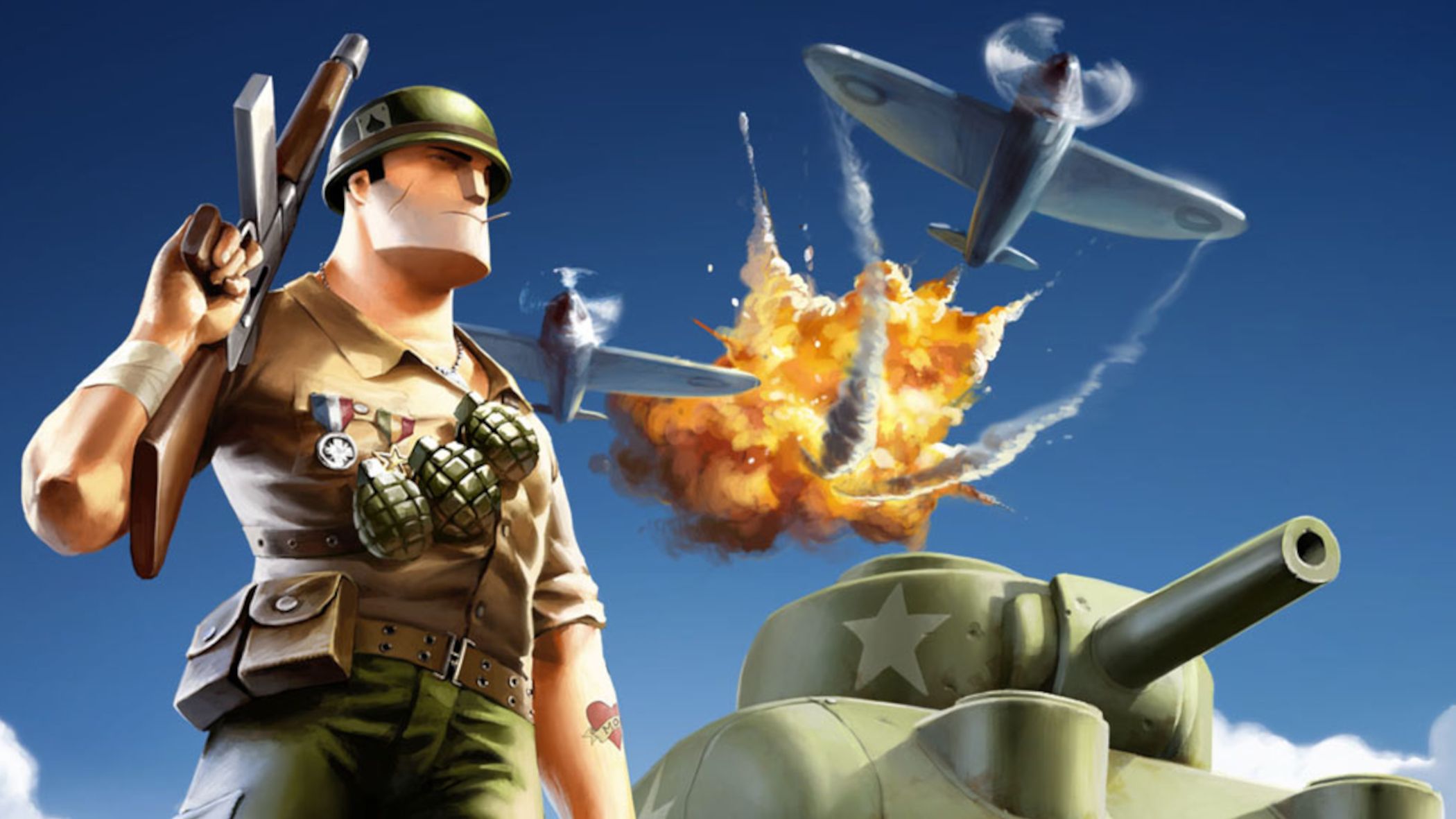
- Game: Battlefield Heroes
- Developer: EA DICE
- Release Date: June 25, 2009
- Platform: PC
Gaming news regarding the evolution of digital distribution often points to Battlefield Heroes as a seminal moment for the industry. Released on June 25, 2009, for PC, this title represented one of the earliest high-profile attempts by a major publisher to transition a tentpole franchise into the free-to-play market. As we analyze the history of video games, it becomes clear that this specific project laid the groundwork for the modern live service models that dominate the current market.
The History of Battlefield Heroes and the Free-to-Play Model
In the late 2000s, the concept of free-to-play was largely confined to browser-based MMOs and niche titles originating from international markets. For a major publisher like Electronic Arts to adopt this strategy was a significant departure from the standard retail business model. At the time, industry experts and journalists viewed the move as a direct response to the rising influence of piracy, which had become a major concern for developers on the PC platform.
When PC Gamer covered the game in its April 2009 issue, then-editor Tom Francis noted that it was the first time the magazine had featured a free game on its cover. This underscored how alien the concept felt to traditional players. The decision to make Battlefield Heroes free was not merely an aesthetic choice; it was a calculated risk intended to capture a massive audience that would otherwise be inaccessible through a standard premium price point.
Battlefield Heroes 2009 Development Analysis
The development of Battlefield Heroes was led by EA DICE, with senior producer Ben Cousins serving as the public face of the project. The game featured a distinct third-person camera and a stylized, cartoony art direction that separated it from the gritty, realistic tone of the mainline Battlefield series. These design choices were initially met with controversy among long-time fans of the franchise, who were accustomed to the tactical, first-person focus of previous installments.
Despite the visual differences, the core gameplay loop remained focused on the action-oriented, team-based combat that defined the series. The development team prioritized accessibility, aiming to lower the barrier to entry for newcomers while maintaining enough depth to satisfy veterans. This approach was central to the game's identity as a PC gaming experiment.
How Did Battlefield Heroes Influence Modern Live Service Games?
The operational philosophy behind Battlefield Heroes is what we now recognize as the foundational blueprint for live service games. Ben Cousins explained that the development team utilized a data-driven approach to updates, monitoring player reactions to specific features in real-time. This allowed the team to iterate on the game's mechanics based on actual user behavior rather than relying solely on pre-launch assumptions.
This transparency in development was rare for the era. By treating the game as a living product that could be adjusted on the fly, the team was able to determine which features provided value and which should be discarded. This methodology is now the standard for almost every major multiplayer title currently on the market, proving that the lessons learned from this 2009 release were instrumental in shaping the industry's trajectory.
The Economic Challenges of Early Live Services
Profitability for a free-to-play game in 2009 was a high-stakes endeavor. According to Cousins, the game needed to achieve the highest number of simultaneous players of any title in the franchise's history to remain viable. This necessity for scale drove the focus on constant updates and community engagement. The following table outlines the key differences between the traditional model and the Battlefield Heroes model:
| Feature | Traditional Model (2009) | Battlefield Heroes Model |
|---|---|---|
| Distribution | Retail/Physical | Digital/Free-to-Play |
| Revenue | Upfront Purchase | Microtransactions/Live Service |
| Updates | Scheduled Patches | Real-time/Ongoing |
Why Did EA Shut Down Battlefield Heroes?
The eventual closure of Battlefield Heroes marked the end of an era for EA's early digital experiments. While the game provided valuable data for the publisher, the market for free-to-play games became increasingly competitive throughout the 2010s. Maintaining the servers and the constant stream of content required to keep a live service game profitable is a significant overhead expense. When a title fails to maintain the critical mass of players required to sustain its ecosystem, publishers are forced to evaluate the long-term viability of the project.
In our industry news coverage, we have tracked how these early closures paved the way for more sustainable, albeit sometimes controversial, monetization strategies. The legacy of Battlefield Heroes remains a point of interest for those studying the history of digital distribution, as it highlights both the potential and the inherent risks of the free-to-play model.
Frequently Asked Questions
Was Battlefield Heroes the first EA live service game?
Battlefield Heroes is widely considered one of Electronic Arts' earliest experiments with the live service model, utilizing real-time player feedback to shape ongoing development.
Why did EA shut down Battlefield Heroes?
While the source material does not detail the specific reasons for its closure, the game required a massive, consistent player base to remain profitable as a free-to-play title.
When was Battlefield Heroes released?
Battlefield Heroes was released for PC on June 25, 2009, featuring a third-person, cartoony aesthetic that differed from traditional entries in the franchise.
Netflix Devil May Cry Season 2 Release Date and Plot Details for 2026Action
Splatoon Raiders Nintendo Switch 2 Pricing and Release Date RevealedAdventure
KAZ: A 2026 PC Gaming News Report on the Arcade Roguelike ExperiencePC Gaming
Colorado Age Attestation Bill Amended to Exclude Open Source Projects