
Fable Reboot Morality System Changes Explained for 2026 Release
- Game: Fable
- Developer: Playground Games
- Release Date: October 31, 2026
- Platforms: PC, PlayStation 5, Xbox Series S/X
Gaming news regarding the upcoming Fable reboot confirms that the title will launch on October 31, 2026, across PC, PlayStation 5, and Xbox Series S/X. As part of our latest video games coverage here at In Game News, we have examined the significant structural changes coming to the franchise, specifically regarding the morality system that defined the original trilogy. Developed by Playground Games, the new iteration of Fable is moving away from the binary systems of the past to embrace a more nuanced, subjective approach to player choice.
Fable Reboot Morality System Changes Explained
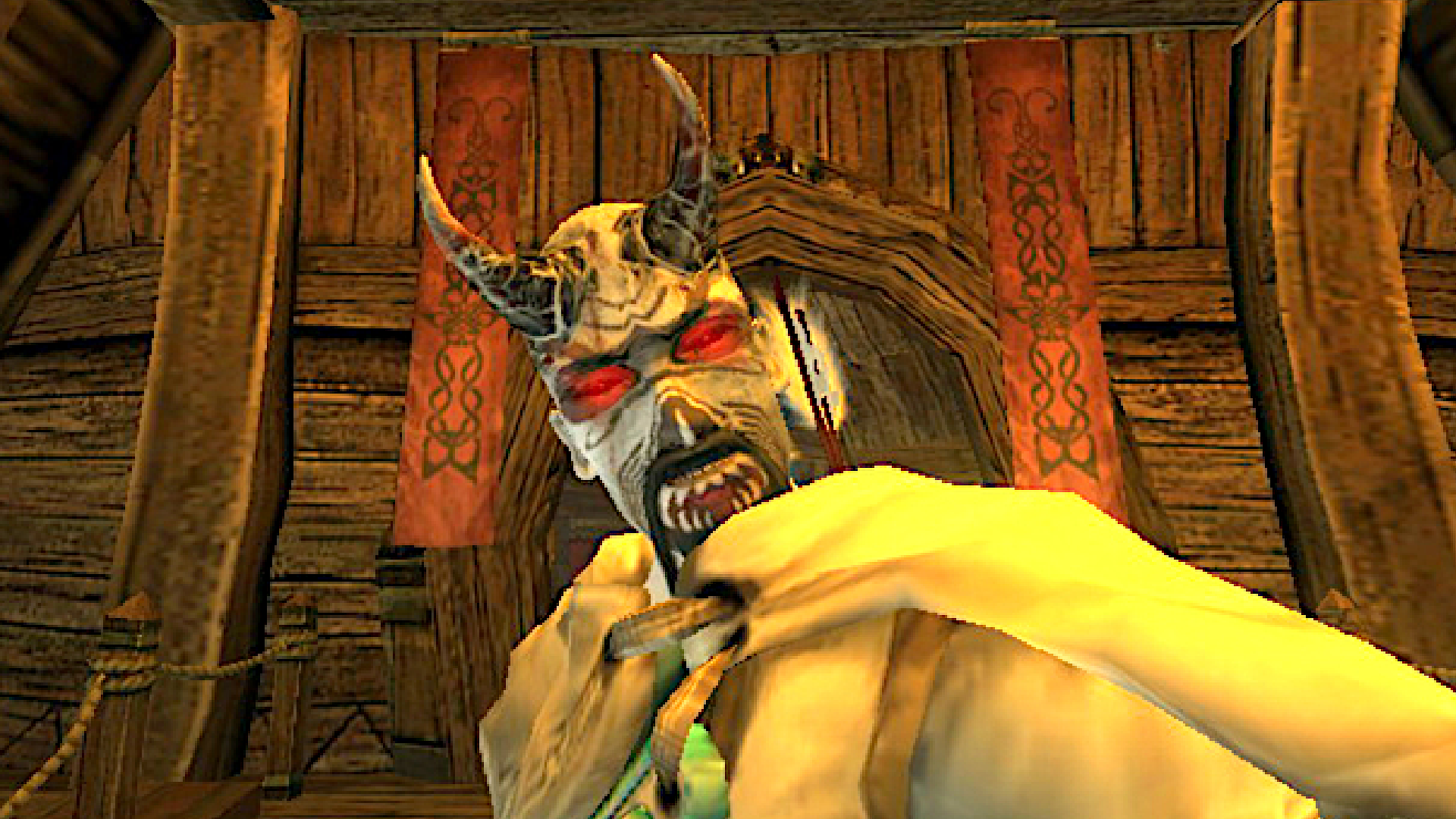
In the original series, players were accustomed to a clear, visual indicator of their character's alignment. Performing virtuous acts would eventually manifest a halo above the protagonist's head, while committing evil deeds would result in the growth of devil horns. This high-visibility feedback loop served as a core mechanic for tracking player progression. However, the 2026 reboot is eschewing this design entirely.
Ralph Fulton, the founder and general manager of Playground Games, provided clarity on this shift earlier this year. According to Fulton, the development team intends to move away from the objective good or evil labels that were standard in previous games. Instead, the team is focusing on the subjectivity of morality as it relates to the world and its inhabitants. The goal is to reflect a world where diversity of opinion exists, and where no single action is universally perceived as objectively good or evil by every NPC.
The Shift Toward Moral Relativism
The absence of horns and halos is a direct result of this philosophical shift in game design. Rather than the game engine applying a universal modifier to the player's appearance based on a global alignment score, the player's reputation will be viewed through the lens of the individual NPCs they encounter. Because each character in the world possesses their own unique values and beliefs, the player may be perceived as a hero by one faction and a villain by another.
This approach moves the game away from a black-and-white morality system. By implementing these shades of grey, the developers are attempting to simulate a more realistic social environment. The player's actions will still carry weight, but the consequences will be localized and dependent on the social context of the people interacting with the protagonist.
Playground Games Fable Reboot Development News
The transition away from the classic morality system has drawn commentary from industry veterans, including Peter Molyneux, the original creator of the Fable series. In a recent interview, Molyneux expressed that he views the removal of the iconic horns and halos as a missed opportunity, noting that he is uncertain why the team at Playground Games chose to abandon the visual cues. He suggested that technical challenges in modern high-definition environments, combined with the complexities of supporting multiple character genders, may have influenced the studio's decision to move in a different direction.
Despite these changes, Playground Games has confirmed that a morality system remains a central pillar of the gameplay experience. It is not being removed; it is being redefined. The studio is prioritizing a system that feels more grounded in the complexities of human interaction rather than the binary alignment meters that were popular in early 2000s role-playing games. For more updates on the latest releases, you can check out our RPG coverage.
Technical and Design Considerations
Developing a system that accounts for subjective morality in a high-definition, multi-platform environment presents significant challenges. As Molyneux noted, the overhead required to create high-fidelity visual representations of moral alignment—especially when applied to a diverse array of character models—can be substantial. By opting for a reputation-based system that relies on NPC perception, Playground Games may be avoiding the technical limitations associated with the traditional, character-altering morality models.
The decision to launch on PC, PlayStation 5, and Xbox Series S/X simultaneously suggests that the studio is aiming for a broad reach. Maintaining a consistent experience across these platforms while implementing a deep, reactive social system is a priority for the development team. Fans interested in how this might affect the overall gameplay loop should keep an eye on our action game news for further technical breakdowns as the October release date approaches.
Frequently Asked Questions
The following questions address common inquiries regarding the upcoming release of Fable and how the game's mechanics have evolved since the original series.
- Q: Does the Fable reboot have horns and halo?
A: No, the Fable reboot removes the visual representation of horns and halos that were present in previous entries of the series. - Q: Is the original Fable morality system removed?
A: The classic black-and-white morality system has been removed in favor of a new approach that focuses on subjective, shades-of-grey moral choices. - Q: What is the new Fable morality system 2026?
A: The new system relies on moral relativism where NPCs judge the player based on their own individual values and beliefs rather than an objective good or evil scale.