
Final Fantasy VII Rebirth and the Legacy of the Most Ambitious PS1 JRPGs
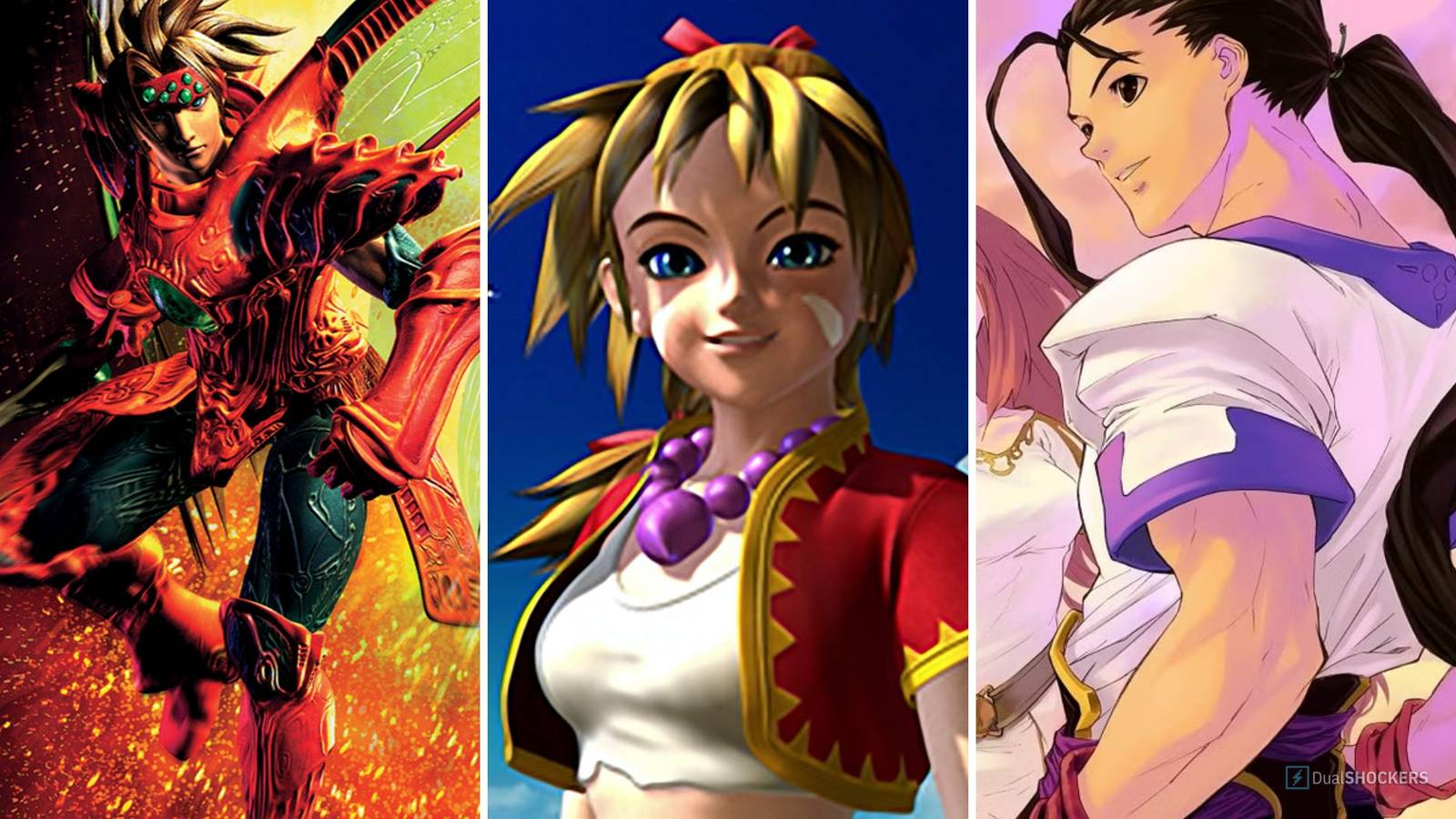
- Game: Final Fantasy VII
- Developer: Square Enix
- Original Release Date: January 31, 1997
- Genres: Adventure, Action, RPG
The release of Final Fantasy VII Rebirth in the modern era highlights the enduring influence of the series, drawing direct comparisons to the most ambitious JRPGs ever released by Square Enix. While current titles like Final Fantasy XIV continue to define the online space, the foundation for this success was built during the PlayStation 1 era. As we look at the 2026 gaming market, it is clear that the technical risks taken decades ago remain the benchmark for the genre.
The Evolution of JRPGs on PlayStation Hardware
Japanese-made Role-Playing Games found their footing on the Nintendo Entertainment System and gained significant momentum during the Super Nintendo Entertainment System era. However, the transition to the PlayStation 1 provided developers with the storage capacity and processing power to expand their visions. This shift allowed studios to move beyond the established blueprints of early titles and experiment with features that were previously impossible to implement.
At In Game News, our coverage often returns to this period because it represents a turning point for the industry. Developers were no longer limited by the constraints of cartridge storage, allowing for longer narratives, pre-rendered backgrounds, and cinematic sequences. This era produced what many consider the most ambitious PS1 JRPGs of all time, titles that required multiple discs to contain their massive scope.
Final Fantasy VII: A Shift in Industry Standards
It is difficult to discuss the history of the genre without acknowledging the impact of Final Fantasy VII. Developed and published by Square Enix, the title served as a catalyst for global interest in the RPG format. The decision to move the franchise from Nintendo to Sony was a strategic move driven by the need for the CD-ROM format, which provided the necessary space for the game's expansive content.
The technical requirements of the game were significant for the time. With a substantial financial investment, the development team produced a title featuring high-end cutscenes and a narrative that spanned three separate discs. While subsequent entries like Final Fantasy VIII and Final Fantasy IX further refined the engine and visual fidelity, the seventh installment provided the proof of concept that allowed the series to scale its production for future generations.
Why was Final Fantasy VII considered ambitious on PS1?
The ambition of Final Fantasy VII was not limited to its storage requirements. The game utilized a combination of explosive set pieces and a complex, multi-layered story that set it apart from contemporary releases. By prioritizing cinematic storytelling, Square Enix created a product that functioned as both a game and a multimedia experience, effectively changing the trajectory of the company and the platform.
Grandia and the Competition for Excellence
While Final Fantasy VII dominated the conversation, other titles were pushing the hardware in different directions. Grandia, which saw an international release on the PlayStation 1 after an initial launch on the Sega Saturn in Japan, is frequently cited by retro gaming fans as a pinnacle of the era. The development process for Grandia lasted two years, a significant commitment at the time, resulting in a game that many critics and players compared favorably to the biggest names in the genre.
The success of Grandia demonstrated that there was a market for high-production JRPGs that focused on distinct gameplay mechanics and immersive world-building. For those looking for the top rated PS1 JRPGs to play in 2026, Grandia remains a primary recommendation due to its mechanical depth and the quality of its localization and presentation.
Comparing the Most Ambitious PS1 JRPGs
The following table outlines the key characteristics that defined the ambition of these classic titles during the late 1990s:
| Game Title | Primary Innovation | Storage Format |
|---|---|---|
| Final Fantasy VII | Cinematic cutscenes and narrative scale | 3 CDs |
| Grandia | Advanced combat depth and world scale | 2 CDs |
These games were not merely successful products; they were technical demonstrations of what the PlayStation hardware could achieve. By utilizing the CD format, developers were able to include orchestral-quality music, high-resolution textures, and lengthy dialogue sequences that were previously impossible to store on standard console cartridges. You can read more about the history of these titles in our JRPG history coverage.
The Legacy of Square Enix
The influence of these early titles is still felt in modern development. The current focus on high-fidelity graphics and massive, interconnected worlds has its roots in the design philosophy established by Square Enix in the late 90s. Even as the industry moves toward digital distribution and cloud-based gaming, the lessons learned from the multi-disc era of the PlayStation 1 continue to inform how developers approach large-scale RPG projects.
For players interested in the evolution of the genre, revisiting these classics provides context for modern releases. The transition from the 2D sprites of the SNES to the 3D environments of the PS1 was a massive undertaking, and the games that succeeded during this time did so by balancing technical innovation with engaging gameplay. For more on how these classic design choices persist today, check out our retro gaming insights.
Frequently Asked Questions
What are the most ambitious PS1 JRPGs ever released?
The most ambitious PS1 JRPGs include Final Fantasy VII, which set new standards for production value, and Grandia, which was recognized for its significant development scale and gameplay depth.
Why was Final Fantasy VII considered ambitious on PS1?
Final Fantasy VII was considered ambitious due to its million-dollar investment, high-quality cutscenes, expansive narrative spanning three CDs, and its role in moving the franchise to the PlayStation platform.
When was Final Fantasy VII originally released?
Final Fantasy VII was originally released on January 31, 1997, for the PlayStation console.