
Final Fantasy VII Rebirth and RPGs Where Companions Cause Chaos
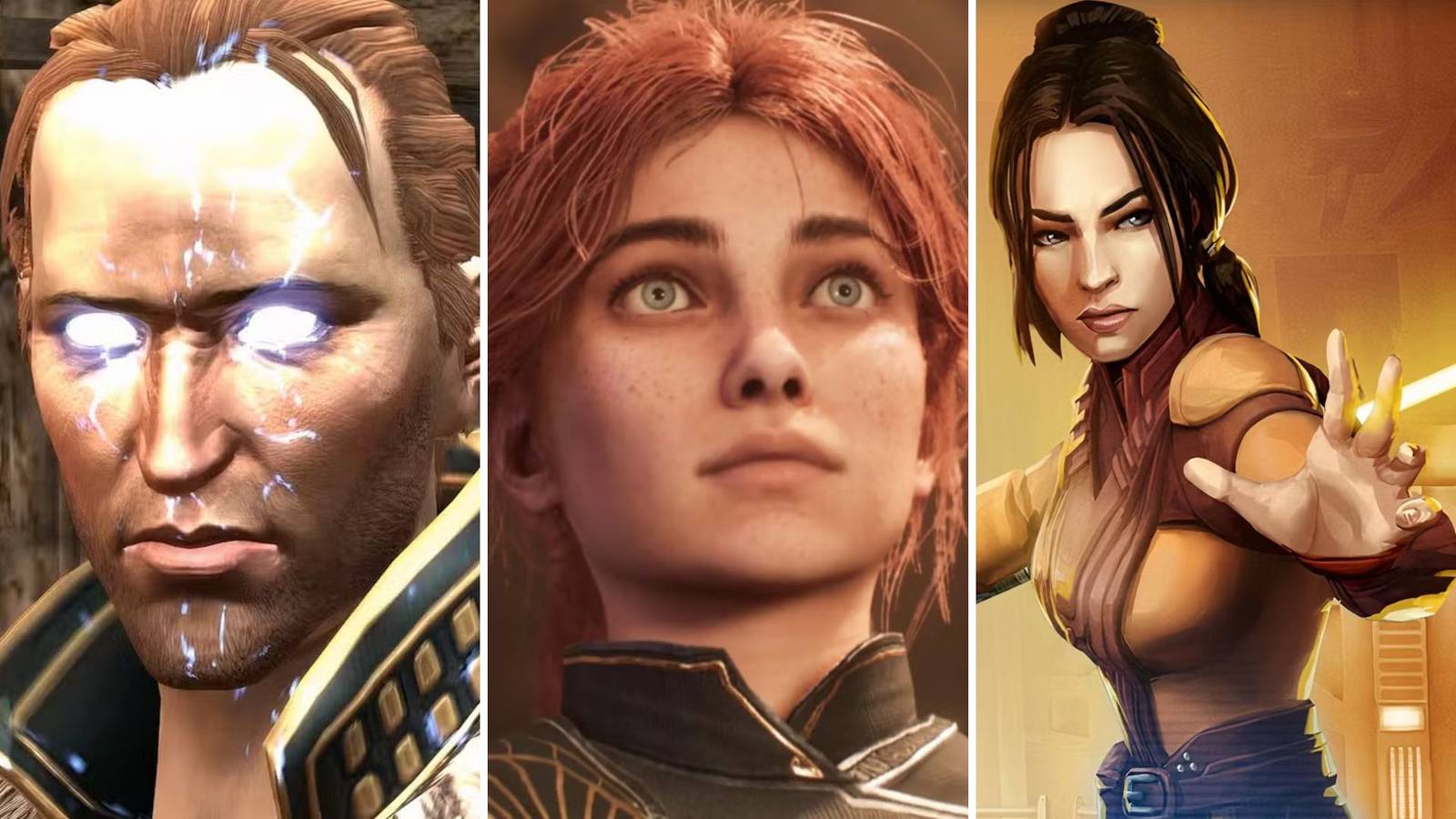
- Game: Final Fantasy VII Rebirth, Divinity: Original Sin 2, Disco Elysium
- Developer: Square Enix, Larian Studios, ZA/UM
- Focus: Companion independence and narrative impact
- Context: 2026 analysis of character-driven RPGs
In the evolving landscape of 2026, titles such as Final Fantasy VII Rebirth and the enduring influence of Final Fantasy XIV continue to highlight how Square Enix shapes the expectations of modern role-playing games. As we analyze the narrative mechanics of the industry, the work of writers like Shayna Josi in her piece, Gs Where Companions Cause Chaos By Shayna Josi, provides a framework for understanding how party members operate beyond the constraints of a simple protagonist-follower dynamic. In many of the best RPGs where party members cause chaos, the most memorable moments arise not from the player's direct control, but from the independent agency of those who walk alongside them.
The Role of Independent Companions in Modern RPGs
Companions serve as the emotional core of many RPGs with companions that betray the player. While players often expect their party members to remain subservient to the main character, the most successful narratives allow these characters to pursue their own agendas. This shift in storytelling often forces players to confront the consequences of their previous interactions. Whether through explicit betrayal or by simply choosing a path that diverges from the protagonist's goals, these characters transform the story into something less predictable.
From our coverage here at In Game News, we observe that the most effective versions of these narratives occur when the player understands the internal logic of the companion. Even when a character derails the intended narrative, their motivations often remain grounded in their established personality and belief systems. This creates a friction that makes the gaming experience more personal, as the player must reconcile their affection for a character with the chaos that character introduces into the world.
Divinity: Original Sin 2 and the Mechanics of Betrayal
Larian Studios, the developer and publisher of Divinity: Original Sin 2, introduced a system where betrayal is not a scripted event but a potential outcome of the player's choices. Released in 2017 for platforms including the Nintendo Switch, PlayStation 4, Xbox One, and PC, the game allows for any of the six companions to turn against the protagonist. This includes characters with whom the player has formed a romantic bond.
The unpredictability of these companions is a primary reason why many consider this one of the best RPGs where party members cause chaos 2026. The game tracks the attitudes of companions toward the player throughout the campaign. Because the goal of the game involves ascending to divinity, the stakes are high, and the potential for a companion to decide that they deserve the throne more than the player is a constant narrative threat. These outcomes ensure that the game's multiple endings are deeply tied to the social management of the party.
Disco Elysium and the Moral Compass
In Disco Elysium, developed and published by ZA/UM for PC, PlayStation 5, PlayStation 4, Xbox Series X, and Xbox Series S, the companion dynamic functions differently. Kim Kitsuragi acts as a moral anchor for the protagonist, Harry. Unlike games where a companion might actively betray the player for personal gain, Kim’s role is defined by his reaction to the player's political and social choices. His perception of Harry is not static; it fluctuates based on the actions taken throughout the investigation.
There is no visible approval meter in Disco Elysium, which forces the player to interpret Kim's reactions based on dialogue and narrative cues. This makes him one of the most interesting examples of RPGs where party members act independently of the protagonist. His presence forces the player to consider the weight of their words, as his judgment serves as a mirror for the player's behavior within the game's complex ideological framework.
Comparing Companion Dynamics
The following table outlines how different titles handle the agency of their companion characters:
| Game Title | Primary Companion Mechanic | Outcome of Interaction |
|---|---|---|
| Divinity: Original Sin 2 | Approval-based loyalty | Potential for active betrayal |
| Disco Elysium | Moral and ideological judgment | Influence on character perception |
| Final Fantasy VII Rebirth | Narrative-driven relationship | Character-specific story arcs |
The Evolution of Narrative Agency
As we look toward the future of the genre, it is clear that developers are increasingly interested in which RPGs feature companions that change the story. The trend moved away from static sidekicks toward characters that mirror real-world complexities. By allowing companions to act independently, games like those mentioned above provide a more immersive experience where the player is not the sole architect of the narrative.
This approach requires a high level of writing quality to ensure that when a companion does cause chaos, it feels earned rather than forced. For players seeking what are the best RPGs with unpredictable companion behavior, the key is finding titles where the character's internal logic is consistent even when their actions are disruptive. As In Game News continues to track these developments, we anticipate that the integration of independent character agency will remain a hallmark of high-quality RPG design.
Frequently Asked Questions
Which RPGs feature companions that can betray the player?
Divinity: Original Sin 2 is a notable example where all six potential companions can turn against the player based on previous decisions and relationship status.
How do companions impact the story in modern RPGs?
Companions often act as moral compasses or independent agents, with their approval ratings or belief systems influencing how the narrative unfolds and concludes.
What makes a companion's betrayal effective in a video game?
A betrayal is considered effective when the player understands the character's motivation for their actions, creating a complex emotional conflict despite the narrative derailment.
Far Cry TV Series Development: Showrunner Clarifies Adaptation StrategyAction
Universal Pictures Eyeing Horror Tone for Metroid Movie in 2026 RumorsAction
Helldivers 2 Dev Promises Action Following Community Criticism in 2026Action
Famous Developers By Ronald Goncalves: A 2026 Retrospective on Pariah