
Former PlayStation Head Questions Sony Budget Strategy in 2026
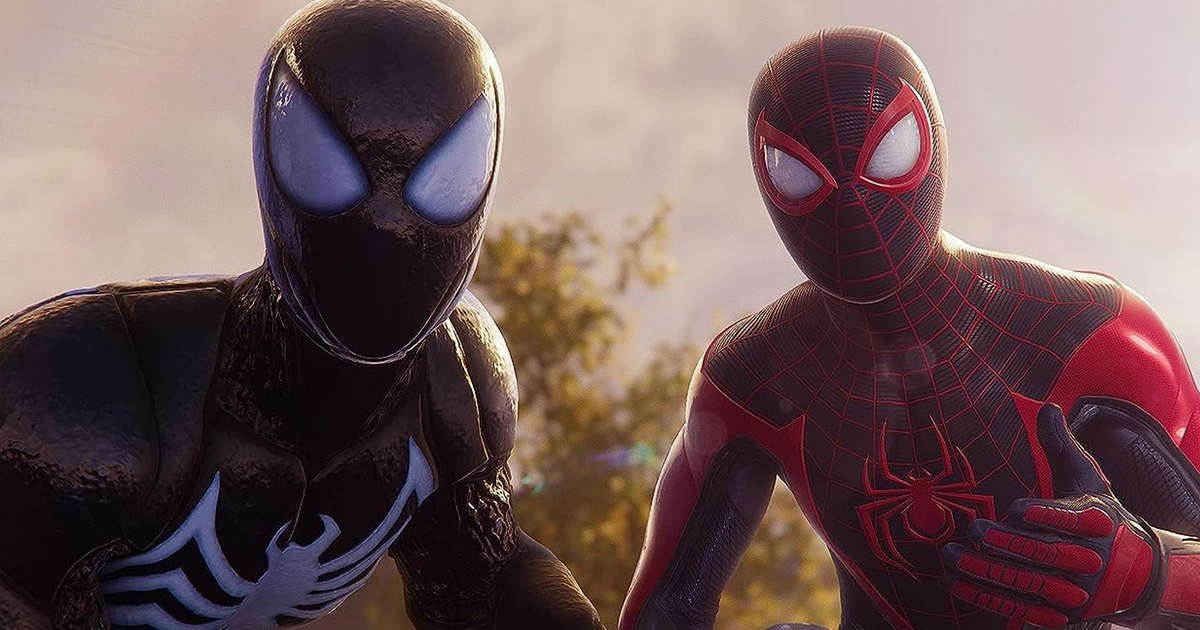
- Topic: Sony First-Party Budget Strategy
- Source: Former PlayStation Executive
- Key Issue: Sustainability of high-budget development
- Strategy: Expansion of PC port releases
A former PlayStation head has publicly questioned whether Sony can continue to recoup massive development budgets without a more aggressive first-party release strategy on PC in 2026. As the gaming industry observes the commercial success of titles like Minecraft from Mojang and the ongoing popularity of the Bedrock Edition, alongside the massive cultural footprint of Elden Ring and its Shadow of the Erdtree expansion, the pressure on console-exclusive publishers to maximize revenue has reached an all-time high. At In Game News, we have been tracking how these market shifts impact the traditional console business model.
The Financial Reality of Modern Development
The core of the issue lies in the ballooning costs of AAA game production. As hardware capabilities improve, the resources required to build high-fidelity experiences have surged. A former PlayStation executive noted that the traditional model—relying exclusively on hardware sales and a closed ecosystem—faces significant hurdles when individual titles require hundreds of millions of dollars to produce. Without the wider reach provided by PC platforms, the margin for error on these projects becomes razor-thin.
For those following our PlayStation coverage, the transition of Sony’s internal studios toward multi-platform releases is not entirely new, but the 2026 context suggests a more urgent necessity. The executive’s comments highlight that the internal math for justifying a "blockbuster" game is changing. When a game costs as much to make as a major motion picture, the audience size on a single console generation may no longer be sufficient to guarantee a return on investment.
Sony First-Party PC Release Strategy Explained
The current approach involves a staggered release schedule, where games arrive on PlayStation 5 first, followed by a PC version months or years later. This strategy is designed to protect the value of the console ecosystem while capturing the secondary market of PC gamers who do not own Sony hardware. However, the question remains: is this enough?
Industry analysts point to several factors driving this shift:
- Rising Development Costs: High-end graphical fidelity and long development cycles require larger revenue streams.
- Market Saturation: The number of potential customers on a single console platform is finite.
- PC Market Growth: The PC gaming demographic continues to expand, offering a lucrative space for Sony to monetize its existing intellectual property.
Comparing the Console and PC Markets
When comparing the performance of massive titles, the distinction between platforms becomes blurred. While Minecraft thrives on the Bedrock Edition across all devices, and Elden Ring dominates PC charts alongside consoles, Sony’s reliance on exclusive hardware has historically been its primary differentiator. The following table outlines the current pressures facing publishers:
| Factor | Console-Only Model | Multi-Platform Model |
|---|---|---|
| Audience Reach | Limited to hardware owners | Expanded to PC/Steam users |
| Development Costs | High | High |
| Revenue Potential | Moderate | High |
Is Sony Moving Away from Console Exclusives?
While Sony has not abandoned its commitment to the PlayStation 5, the rhetoric from former leadership suggests that the "exclusive" label is being redefined. The goal is no longer to keep games away from other platforms, but rather to use the console as the primary launch vehicle while treating the PC as a vital secondary revenue stream. This is a pragmatic response to the economic reality of 2026, where the cost of entry for developers has never been higher.
We continue to monitor these developments through our industry analysis reports. The consensus among experts is that the "PlayStation-first" approach will likely remain, but the exclusivity window will continue to shrink as financial pressures mount. For players, this means that the barrier to accessing Sony’s library is effectively lowering, even if the price of entry for the games themselves remains at the premium tier.
Frequently Asked Questions
Why are Sony first-party games coming to PC in 2026?
Sony is expanding its PC release strategy to help recoup the increasingly massive development costs associated with modern blockbuster titles.
Can Sony recoup development costs without PC ports?
Former PlayStation leadership has expressed doubt that Sony can sustain its current high-budget development model relying solely on console-exclusive sales.
Is Sony moving away from console exclusives in 2026?
While Sony maintains its PlayStation 5 focus, the necessity of recouping high budgets has forced a shift toward multi-platform releases to ensure financial viability.