
Framework Founder Nirav Patel Addresses 2026 Gaming News Trends
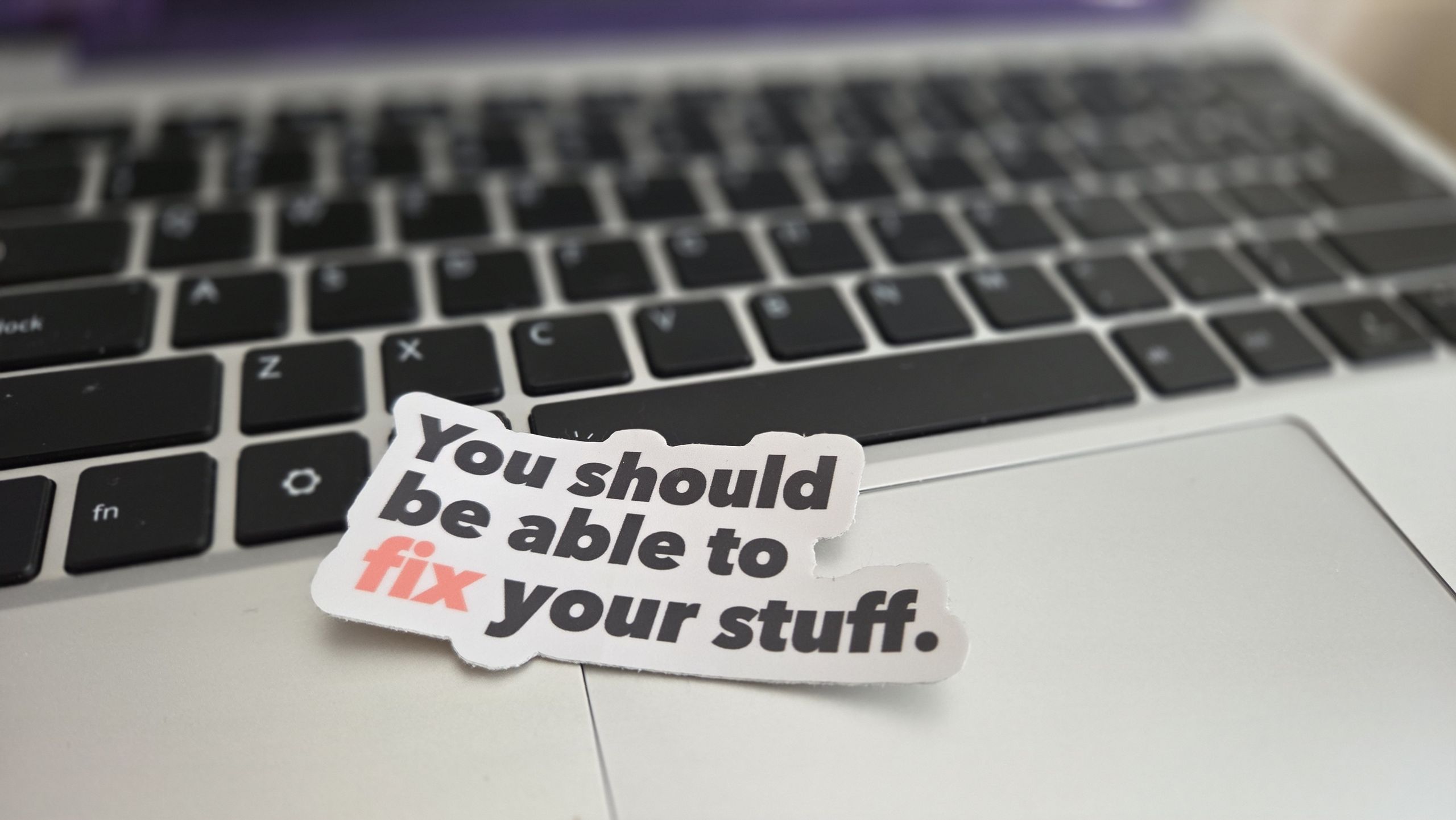
Gaming News and the Future of PC Hardware in 2026
As part of our ongoing Gaming News coverage at In Game News, we are tracking industry shifts that impact how players experience Video Games on PC. During a recent presentation, Nirav Patel, the founder of the laptop and hardware manufacturer Framework, addressed the changing relationship between consumers and their computing devices in 2026. Patel highlighted a significant industry trend where silicon production is increasingly prioritized for cloud infrastructure rather than individual consumer hardware.
- Company: Framework
- Founder: Nirav Patel
- Primary Focus: Modular hardware and user ownership
- Industry Context: Shift of silicon resources toward cloud datacenters
The Shift Toward Cloud-Based Computing
Patel pointed out that the definition of owning a computer has evolved over the past year. With the rise of cloud-based services, users can lease computing power by the hour or by the token. This model stands in contrast to the traditional method of maintaining a physical machine at one's desk. Patel suggested that the broader technology industry is currently pushing a model where consumers are encouraged to own nothing, a trend he explicitly opposes through Framework's business strategy.
For PC gamers, this development is significant. The availability of high-performance components, such as RAM, is being influenced by the decisions of manufacturers like Samsung, SK Hynix, and Micron, who are shifting production capacity toward AI-focused datacenters. This reallocation of resources can directly impact the availability and pricing of hardware components that gamers rely on for building and maintaining their systems.
Framework's Modular Philosophy
Framework differentiates itself in the current market by emphasizing modularity. The company's core mission is to provide hardware that can be upgraded over time. This approach allows users to replace individual parts rather than discarding an entire system when components become outdated. This strategy serves as a counterpoint to the industry-wide move toward leasing hardware or utilizing cloud-based compute power.
In addition to their laptop offerings, Framework has introduced a small form-factor desktop. Unlike some industry players that focus exclusively on cloud integration, Framework has marketed this desktop specifically for running AI models locally. By keeping processing on the user's machine, the company provides an alternative to the cloud-centric model that many other tech firms are adopting in 2026.
Industry Impact and Consumer Choice
The current market landscape is characterized by various strategies from major tech entities. While some companies focus on generative AI integration or cloud services, Framework maintains a focus on hardware longevity. For more updates on how these hardware trends affect the industry, check out our hardware coverage.
Patel's comments reflect a broader tension in the tech sector. As major corporations pivot toward AI and cloud-based revenue streams, the ability for a consumer to own and manage their own hardware remains a point of contention. Framework's marketing emphasizes the freedom to control one's own device, which resonates with users who prioritize data sovereignty and local performance.
Comparison of Computing Models
The following table outlines the differences between the cloud-centric model and the modular PC ownership model discussed by Patel:
| Feature | Cloud-Centric Model | Modular Ownership Model |
|---|---|---|
| Hardware Ownership | Leased/Remote | Full Physical Ownership |
| Upgradability | N/A (Managed by Provider) | User-Replaceable Parts |
| Processing Location | Remote Datacenter | Local Machine |
| Primary Cost | Subscription/Token-based | Upfront Hardware Purchase |
For those interested in the evolution of consumer technology, we continue to track these developments in our PC gaming coverage. The industry's reliance on cloud infrastructure will likely remain a topic of discussion as more companies integrate AI into their product suites.
Frequently Asked Questions
What is Framework's stance on personal computer ownership in 2026?
Framework advocates for a model where users own their hardware at the deepest level, allowing them to upgrade and modify their personal computers freely.
How does Nirav Patel view the current shift toward cloud computing?
Patel notes that for the first time in history, more silicon is being allocated to cloud infrastructure than to personal computers, fundamentally changing the nature of ownership.
Does Framework support local AI processing on PCs?
Yes, Framework has marketed its small form-factor desktop systems as hardware capable of running AI models locally rather than relying on cloud-based services.
Vampire Crawlers Release: How the Spin-off Expands the Series in 2026Action
Diablo 4: Vessel of Hatred Review 2026 – Is the Expansion Worth It?Action
Assassin’s Creed Black Flag Resynced Collector’s Edition Details 2026Gaming News
Overwatch 2 Players Protest Mercy Movement Nerfs in 2026 Season Two