
Intel Confirms Arc G3 Chipset for Future PC Gaming Handhelds in 2026
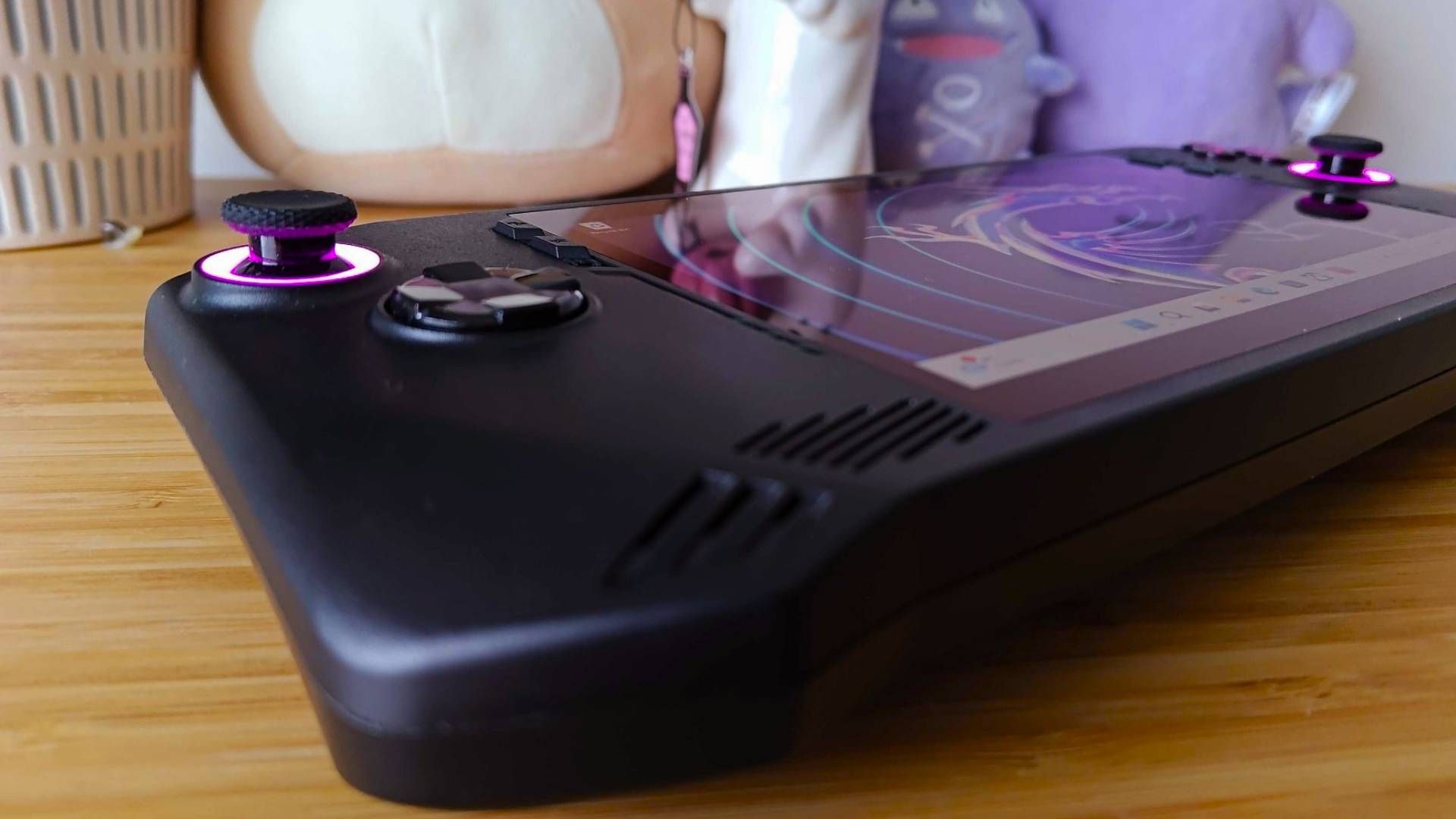
- Primary Competitors: AMD, Radeon, RX 8000
- Processor Architecture: Intel Core Ultra / Panther Lake
- Product Name: Intel Arc G3
- Key Spokesperson: Robert Hallock, Intel VP and General Manager
Intel has officially confirmed the existence of the Arc G3 chipset, a new silicon solution engineered specifically for the gaming handheld market to compete against established players like AMD and their Radeon RX 8000 series. During a recent interview with PC Games Hardware (PCGH), Intel Vice President and General Manager Robert Hallock acknowledged the product line, clarifying that the company is developing hardware tailored for portable form factors rather than repurposing existing desktop or laptop processors.
Understanding the Intel Arc G3 Strategy
The confirmation of the Arc G3 marks a significant shift in how Intel approaches the portable gaming segment. While the company previously relied on broader architectures, Hallock emphasized that the current development cycle focuses on creating unique products for distinct markets. This strategy ensures that handheld devices receive silicon designed for the specific thermal and power constraints of a compact, battery-operated system.
In our coverage at In Game News, we have noted that the industry is currently saturated with iterations of existing mobile chips. Intel’s move to develop a dedicated handheld-first architecture suggests a desire to challenge the dominance of the AMD Ryzen Z2 Extreme and similar mobile APUs. By avoiding the need to adapt a desktop CPU for a handheld, Intel aims to provide a more efficient experience for PC gamers on the go.
The Role of Panther Lake APUs
While specific technical specifications for the Panther Lake APU remain under wraps, Hallock provided context regarding the lifecycle of these chips. Unlike the rapid, yearly refresh cycles often seen in premium smartphone or enthusiast desktop hardware, mobile chips for handhelds and thin-profile notebooks follow a different trajectory. Hallock noted that the marketing and product life cycles for these compact appliances are considerably longer than many enthusiasts realize.
This long-term support model is intended to reassure manufacturers and consumers that devices powered by the upcoming Intel architecture will remain relevant for several years. For those following our Intel news updates, this suggests that while the Intel Panther Lake handheld release window 2026 is a primary focus, the hardware itself is built for sustained performance rather than immediate obsolescence.
Comparison of Mobile Gaming Hardware Approaches
| Feature | Traditional Approach | Intel Handheld Strategy |
|---|---|---|
| Architecture | Repurposed Laptop/Desktop | Handheld-Specific Design |
| Thermal Design | Standardized | Optimized for Compact Chassis |
| Lifecycle | Short/Yearly Refresh | Extended Support Cycle |
Market Competition and Future Outlook
The gaming handheld market is currently dominated by AMD-based solutions, which have set a high bar for performance and efficiency. Intel’s entry into this space with the Arc G3 is viewed as a necessary expansion of their hardware portfolio. Hallock expressed interest in seeing more competition in the handheld sector, implying that Intel views its own involvement as a way to stimulate innovation among device manufacturers.
Rumors regarding potential partnerships with manufacturers like MSI and Asus have been circulating, though Intel has not confirmed any specific hardware collaborations at this time. Observers expect that additional details regarding these partnerships and the full specifications of the Panther Lake APU will be shared at major industry events, such as Computex, later in 2026.
For PC gamers who prioritize portability, the promise of a chip designed from the ground up for handheld usage is a notable development. By segmenting their roadmap into desktop, notebook, and handheld categories, Intel is attempting to avoid the performance compromises that often occur when hardware is forced into a form factor it was not originally intended to support.
Frequently Asked Questions
What is the Intel Arc G3 chipset?
The Intel Arc G3 is a dedicated chipset architecture designed specifically for gaming handheld devices, intended to compete with existing mobile APUs.
Is Intel Arc G3 confirmed for gaming handhelds?
Yes, Intel Vice President Robert Hallock has officially confirmed the existence of the Arc G3 chipset as a product specifically intended for the handheld market.
When will Intel Arc G3 handhelds be announced?
Intel has not provided a specific release date, but industry observers expect more information regarding handheld hardware to emerge around the Computex timeframe.