
Mood Swings Revealed: Mark Rosewater’s New Card Game at MagicCon 2026
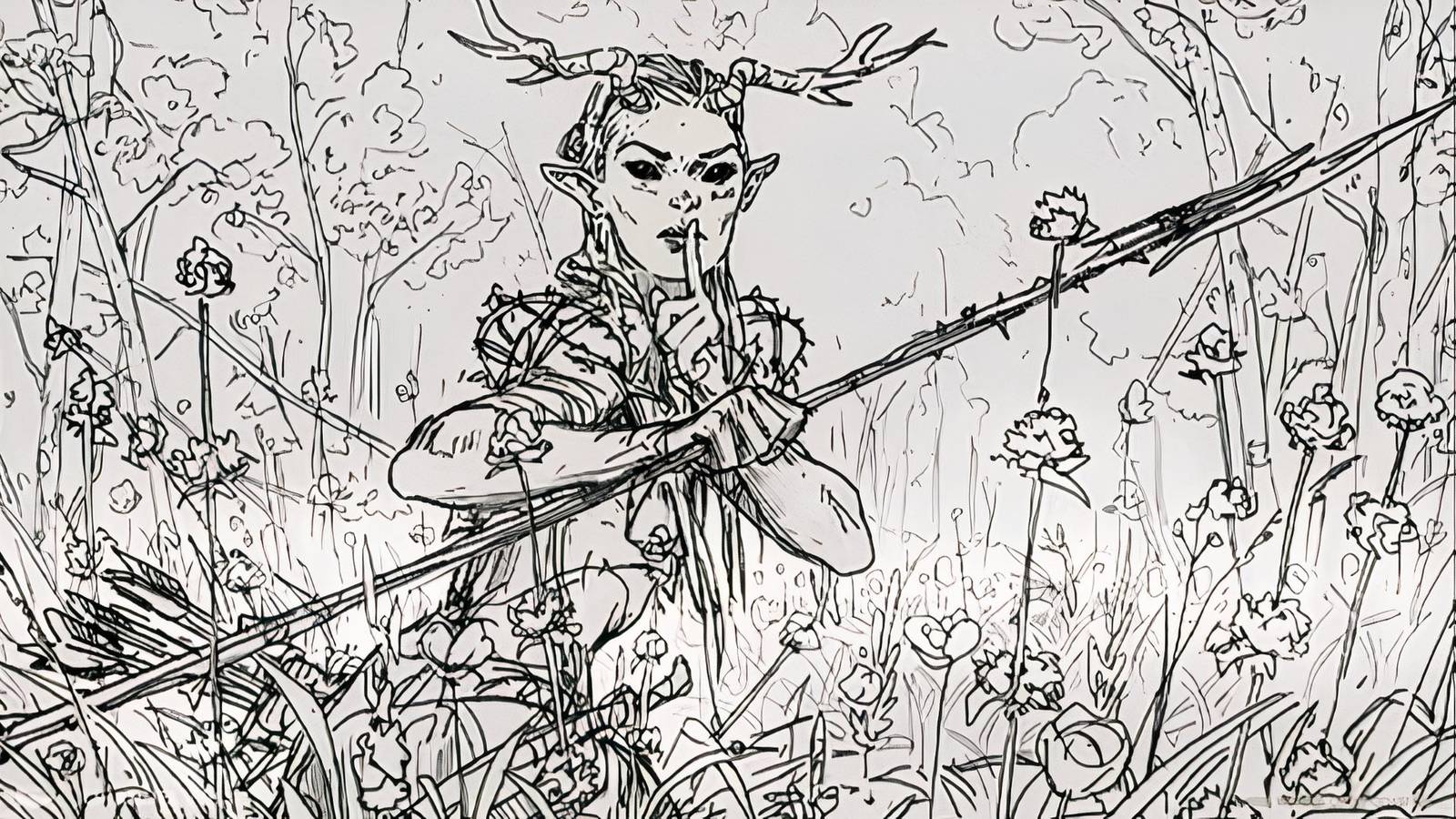
- Game: Mood Swings
- Developer/Publisher: Wizards of the Coast
- Lead Designer: Mark Rosewater
- Format: Tabletop Card Game
Mood Swings, the latest tabletop project from Wizards of the Coast, made its public debut at MagicCon Las Vegas 2026, offering a streamlined alternative to traditional trading card games. Developed under the guidance of Magic: The Gathering head designer Mark Rosewater, the game addresses common barriers to entry in the hobby, such as complex rulesets and the necessity of massive card collections.
Understanding the Mood Swings Announcement 2026
The reveal at MagicCon Las Vegas 2026 confirms months of speculation following a series of redacted blog posts from Mark Rosewater. Initially teased as a mystery project, the game is now confirmed to be an independent experiment in card game design. Unlike products that require players to curate their own collections, Mood Swings is designed to be a complete, self-contained experience directly out of the box.
Wizards of the Coast has positioned this title as a response to the intimidation factor often associated with established trading card games. By removing the requirement for extensive deck construction, the game targets a wider audience, including those who may find the barrier to entry for titles like Magic: The Gathering too high. Our coverage at In Game News notes that the design philosophy centers on accessibility and immediate playability.
How Does the Mood Swings Card Game Work?
The core gameplay of Mood Swings is designed to be understood in a single match, with play sessions typically lasting between five and ten minutes. The game supports two to four players, each utilizing a ready-to-play deck. Each box contains 45 randomized cards pulled from a total pool of 133 unique cards. The distribution of these cards is fixed by rarity: 48 commons, 40 uncommons, 30 rares, and 15 mythic rares.
In terms of mechanics, players draw a hand of five cards and take turns playing a single "Mood" card. These cards represent various emotions, such as joy, rage, or ambition. The objective is to secure the highest score for the round. The game utilizes a "best of five" structure, where the first player to win three rounds is declared the winner. A distinct feature of the game is that cards played remain on the table between rounds, influencing subsequent turns.
Mechanics and Strategy
While the game is intended to be simple, it retains a layer of tactical decision-making through card abilities. Many Mood cards feature effects that trigger when played, similar to "enter-the-battlefield" mechanics found in other trading card games. For example, playing an "Ambition" card allows a player to discard a card from their hand to play an additional Mood card during the same turn. While this provides a strong advantage for winning the current round, it forces the player to manage their resources carefully, as it leaves them with fewer options for future rounds.
For players interested in customization, the game allows for optional deckbuilding. Players can swap out cards within their deck, provided the cards are of equal rarity. This allows for the adjustment of strategies without requiring the player to navigate a vast, complex card pool.
Is Mood Swings a Magic the Gathering Spin-off?
A frequent question following the announcement is whether the game is a direct spin-off of the Magic: The Gathering franchise. While both share the same lead designer and publisher, Wizards of the Coast has clarified that Mood Swings is a distinct project. The game serves as a departure from the traditional trading card game model, prioritizing a standardized, accessible experience over the expansive, multi-thousand-card collections that define the Magic ecosystem.
Rosewater has stated that the goal was to create a game that could be played by family members who would otherwise avoid more complex titles. By ensuring that every box contains a complete game, the publisher intends to provide a consistent experience for all players, regardless of their prior experience with the genre. For more updates on tabletop trends, see our Tabletop gaming news and our Wizards of the Coast coverage.
Design Philosophy and Accessibility
The design of Mood Swings represents a shift in how Wizards of the Coast approaches the trading card game market. By focusing on a smaller card pool and simplified rules, the game aims to solve the problem of "deckbuilding intimidation." In traditional games, the expectation of building a deck from thousands of available cards can be a significant hurdle for new players. Mood Swings removes this entirely by providing a balanced, ready-to-play set in every box.
The randomization of the 45-card decks ensures that even if two players purchase the game, their experiences may differ. This approach attempts to balance the convenience of a board game with the variety typically found in trading card games. The rarity distribution—23 commons, 14 uncommons, 6 rares, and 2 mythic rares—ensures that every deck has a consistent power level, maintaining fairness during matches.
Frequently Asked Questions
What is the Mood Swings card game?
Mood Swings is a new tabletop card game from Wizards of the Coast designed to be an accessible, ready-to-play experience that avoids the complexity of traditional deckbuilding.
Is Mood Swings a Magic the Gathering spin-off?
While it shares a designer in Mark Rosewater and is published by Wizards of the Coast, Mood Swings is a standalone game distinct from Magic: The Gathering.
How does the Mood Swings card game work?
Players draw five cards and take turns playing 'Mood' cards representing emotions, with the highest score winning the round; the first player to win three rounds wins the game.