
Neo Geo AES+ Hardware Controversy: ASIC Design and FPGA Code Explained 2026
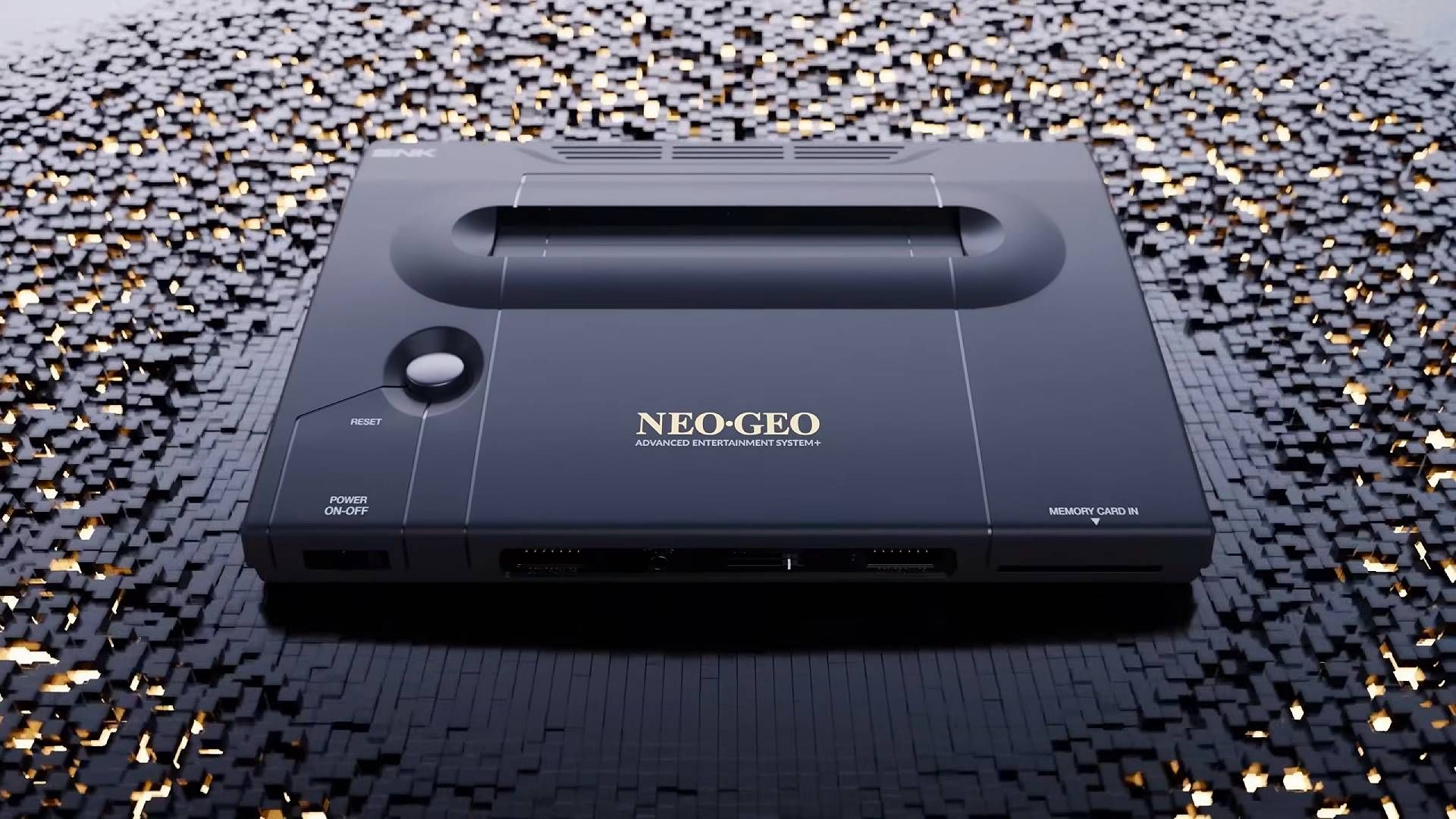
- Product: Neo Geo AES+
- Manufacturer: Plaion
- Release Year: 2026
- Technology: ASIC (Application-Specific Integrated Circuit)
The Neo Geo AES+ has become a focal point of industry discussion in 2026, drawing comparisons to the Nintendo Switch 2 and the broader market for hardware-level retro gaming solutions. While modern gamers often rely on a Nintendo Direct presentation to learn about new releases or hardware updates, the discourse surrounding this console centers on its internal architecture. Unlike software-based solutions found in a standard emulator or a RetroArch setup, the Neo Geo AES+ claims to provide a hardware-accurate experience. However, recent technical analysis has sparked a debate regarding whether the device is truly independent or if it relies on existing open-source FPGA project code.
Neo Geo AES+ Hardware Architecture Details 2026
At the heart of the controversy is the specific implementation of the system's ASIC chips. Plaion designed the Neo Geo AES+ to recreate the original 1990s arcade board by utilizing ASICs programmed to handle specific tasks, such as sprite rendering, color palette management, and CPU communication. The marketing for the device emphasized a hardware-based approach, distinguishing it from traditional emulation software. This distinction is significant for enthusiasts who prioritize cycle-accurate performance.
Technical scrutiny began when reports surfaced suggesting that the ASIC design incorporates code from well-known FPGA developers, specifically Furrtek and Jotego. This discovery led to questions about the originality of the hardware design. If the ASICs are effectively hard-coded versions of existing FPGA cores, it changes the perception of the console from a proprietary hardware recreation to a repackaged implementation of community-driven research.
Plaion Neo Geo AES+ ASIC Controversy Explained
The core of the dispute involves the claim that the device is a "bait and switch." Pramod Somashekar, an FPGA developer, publicly stated that the architecture appears to be the MiSTer project core, but with the logic split across multiple individual ICs rather than running on a single, reconfigurable FPGA chip. This perspective suggests that while the system uses physical hardware, the underlying logic design is not a new, ground-up development by Plaion, but rather an adaptation of existing community work.
This situation highlights the complexity of modern retro hardware manufacturing. While the Joy-Con controllers and modern console peripherals are built for mass-market consumer electronics, the Neo Geo AES+ targets a niche audience that values historical accuracy. Our coverage at In Game News has tracked these developments closely, noting that the transition from a single FPGA core to multiple ASICs is a technical choice that carries significant implications for both cost and marketing transparency.
Industry Perspectives on Hardware Accuracy
The reaction from the development community has been mixed. While Somashekar has been critical of the marketing strategy, other figures in the retro engineering space have offered more nuanced takes. Furrtek, a prominent expert in Neo Geo reverse engineering, initially suggested that the console had the potential to be the best hardware iteration since SNK ceased production. This sentiment was based on the ambition to honor the brand and provide an experience that exceeds standard software emulation.
However, Furrtek later clarified their position, noting that a simple repackaging of existing MAME or MiSTer cores would be disappointing. The goal, according to these experts, should be to offer something that adds value beyond what is already available to the public. The debate continues as users weigh the benefits of a dedicated, plug-and-play console against the reality of the hardware design lineage.
Comparing Implementation Methods
To better understand the technical differences between these approaches, consider the following breakdown of how retro hardware is typically reproduced:
- Software Emulation: Uses a host CPU to translate original game code into instructions the modern system understands.
- FPGA (MiSTer): Uses a field-programmable gate array to physically mimic the original hardware's logic gates in real-time.
- ASIC (Neo Geo AES+): Uses custom-manufactured chips designed for specific hardware tasks, aiming for permanent, hard-wired accuracy.
The primary critique of the Neo Geo AES+ is not that the hardware is non-functional, but rather the discrepancy between the marketing of a unique engineering effort and the reality of its reliance on shared, community-sourced design logic. For those interested in the broader context of retro hardware, you can read more in our hardware history archives.
The Future of Retro Hardware
As we look toward the remainder of 2026, the Neo Geo AES+ serves as a case study for the expectations placed on companies producing high-end retro peripherals. Consumers are increasingly informed about the differences between FPGA, ASIC, and software emulation. Transparency in how these systems are engineered is becoming as important as the quality of the output itself. Whether this specific hardware will be viewed as a success depends on how the final retail units perform and whether the manufacturer addresses the concerns raised by the developer community.
For those interested in other titles that have maintained relevance across various hardware generations, the action game Yo-Yo Shuriken, released on April 11, 2023, remains a point of interest for collectors. Originally available on platforms including PC, Android, macOS, and Linux, it represents the kind of library that enthusiasts hope to play on high-fidelity hardware like the AES+.
Frequently Asked Questions
Is the Neo Geo AES+ actually using emulation?
The Neo Geo AES+ utilizes Application-Specific Integrated Circuits (ASICs) to replicate original hardware, rather than traditional software-based emulation.
What is the difference between Neo Geo AES+ and MiSTer?
While the MiSTer project uses a single reconfigurable FPGA chip, the Neo Geo AES+ reportedly uses multiple ASICs that implement similar hardware design logic.
Is the Neo Geo AES+ using MiSTer FPGA code?
Reports indicate that the system's ASIC chips incorporate design code previously developed by FPGA contributors Furrtek and Jotego, leading to industry debate.