
Should Link Have a Voice in 2026? The Legend of Zelda Debate Explained
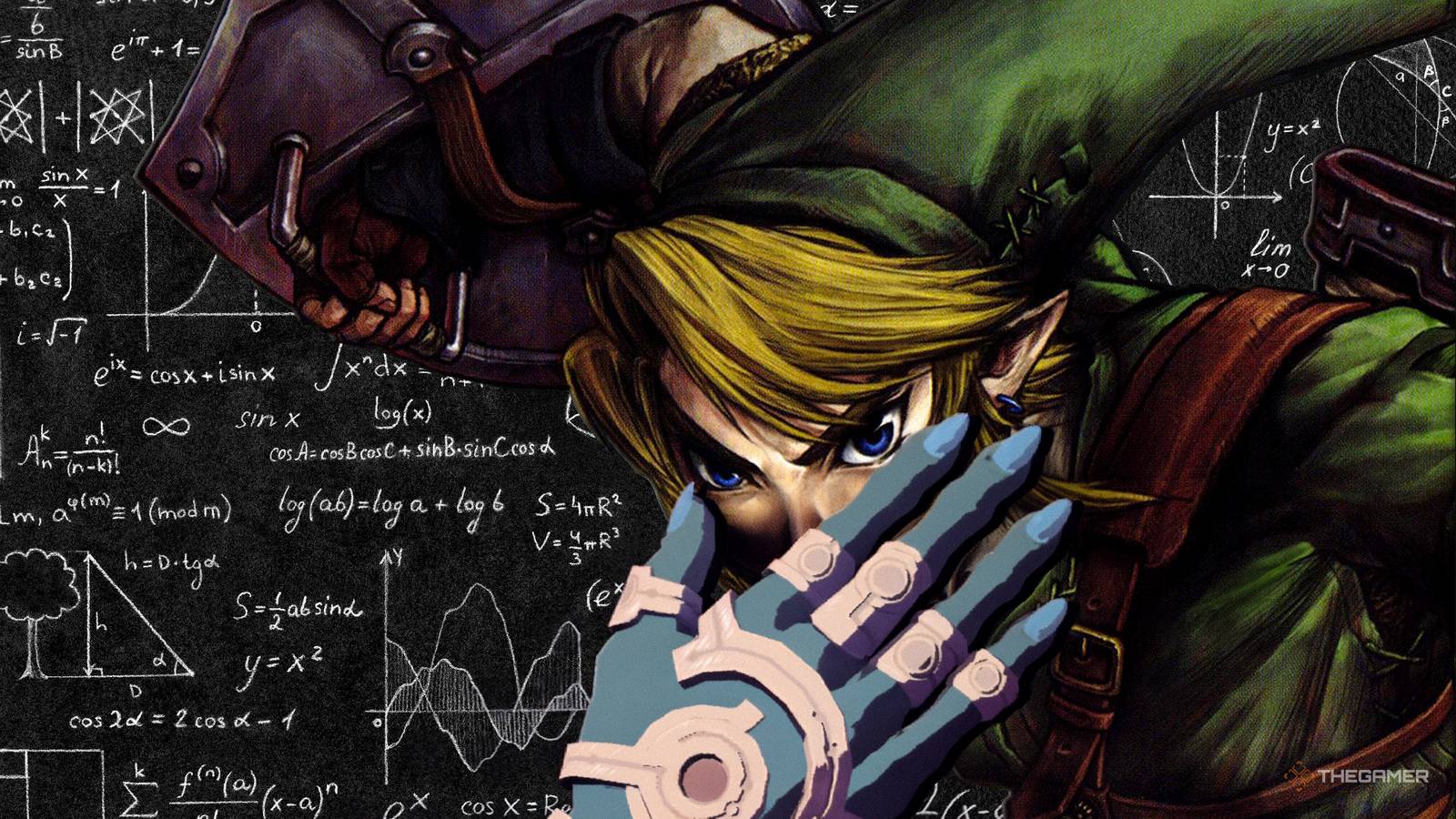
- Game: The Legend of Zelda
- Developer: Nintendo
- Original Release Date: 1986-02-21
- Platforms: Nintendo Switch, Nintendo 3DS, Wii U, Wii, Game Boy Advance, NES
The debate over whether a voiced Link wouldn't break the series continues to be a central topic for players in 2026, especially as comparisons to titles like Baldur's Gate 3 and the work of Larian Studios highlight how modern RPGs handle character agency. Since the release of the original The Legend of Zelda on February 21, 1986, the protagonist has remained silent, a design choice that has defined the franchise across multiple platforms including the Nintendo Switch, Wii U, and NES. As we look at the trajectory of the series, we must examine whether the psychological connection players feel toward a silent hero is a result of intentional design or simply a long-standing tradition that could be updated.
The Psychology Behind Silent Protagonists
To understand why the prospect of a voiced Link generates such strong reactions, we must look at psychological research on silent protagonists in gaming 2026. In our coverage at In Game News, we have tracked how players differentiate between 'immersion' and 'projection.' While immersion is the external experience of inhabiting a game world, projection is the internal process where the player views the character as an extension of their own personality.
A 2022 study by Tu and Tunggal, published in Psychology of Popular Media, utilized The Legend of Zelda: Breath of the Wild as a case study for character immersion. The findings challenge the assumption that a silent character is inherently necessary for a high-quality experience. The research suggests that players often project their own internal monologue onto silent characters, which creates a unique bond that fully voiced characters—like those found in BG3—do not always replicate in the same manner. This distinction explains why fans oppose a voiced Link in Zelda: the fear that an official voice would overwrite the player's own established version of the hero.
Comparing RPG Narrative Structures
When players contrast the silent nature of Link with the highly voiced, reactive cast of Baldur's Gate 3, the difference in design philosophy becomes clear. Larian Studios prioritized a system where every character interaction is fully realized, providing a specific narrative weight to every decision. In contrast, Nintendo has historically utilized a minimalist approach to Link's dialogue, ensuring that the player's agency is never constrained by a pre-defined personality.
For those interested in how these design choices impact modern gaming, our RPG coverage provides further context on how narrative systems have evolved. The following table outlines the key differences in how players interact with these two distinct types of protagonists:
| Feature | Silent Protagonist (Link) | Voiced Protagonist (BG3) |
|---|---|---|
| Player Projection | High | Low |
| Narrative Agency | Action-based | Dialogue-based |
| Character Definition | Player-interpreted | Developer-scripted |
Does a Silent Protagonist Improve Player Immersion in Zelda?
The question of does a silent protagonist improve player immersion in Zelda is not merely a matter of nostalgia. It is an inquiry into how game mechanics facilitate player-character alignment. When a character remains silent, the player is forced to fill the gaps with their own intent. If Nintendo were to introduce a voiced Link, it would fundamentally change the player's relationship with the character from one of 'being' the hero to 'watching' the hero.
Current Nintendo stance on giving Link a voice in future games remains conservative, favoring the silent tradition that has spanned decades. While other genres have moved toward cinematic, fully voiced experiences, The Legend of Zelda maintains its status as an adventure-focused RPG where the world itself is the primary storyteller. As we reported in our Nintendo coverage, the studio continues to lean into the environmental storytelling that made previous entries successful, suggesting that a voiced Link is unlikely to appear in the immediate future.
The Impact of Upcoming Media
With a live-action film adaptation of The Legend of Zelda scheduled for release next year, the industry is bracing for a stress test of these psychological theories. A film, by its nature, requires a voiced protagonist to function within a cinematic medium. This transition from a game, where the player is the protagonist, to a film, where the audience is an observer, will provide a unique data point on how the public perceives a talking Link.
The transition from a silent avatar to a character with a defined voice and personality is a significant shift in narrative delivery. If the film succeeds, it may influence how Nintendo approaches future software development. However, for now, the silent protagonist remains a staple of the franchise, serving as a bridge between the player and the kingdom of Hyrule.
Frequently Asked Questions
For readers looking for quick answers to common inquiries regarding the future of the franchise and character design, we have compiled the following information based on current industry trends and historical data.
- Why do fans oppose a voiced Link in The Legend of Zelda? Many fans believe a voiced Link would break the series tradition of silent protagonists, potentially interfering with player projection and character immersion.
- Does a silent protagonist improve player immersion in Zelda? Psychological research suggests that silent protagonists facilitate player projection, allowing users to view the character as an extension of themselves rather than a distinct personality.
- What is the official Nintendo stance on giving Link a voice in future games? Nintendo has maintained a long-standing tradition of keeping Link silent across the franchise's history, prioritizing player-driven interpretation over scripted dialogue.
Takaya Imamura Shares Concerns Over Link Speaking in 2027 Zelda MovieAction
Monolith Soft Details Zelda Series Contribution in New 2026 WebsiteBreath of the Wild
The Legend of Zelda Franchise Marks 40th Anniversary: Legacy and Awar...LEGO
Ganon Finally Gets His Throne! LEGO's Ocarina of Time Set Is HERE.