
Supa Credits Improved League of Legends Performance to Quitting TikTok in 2026
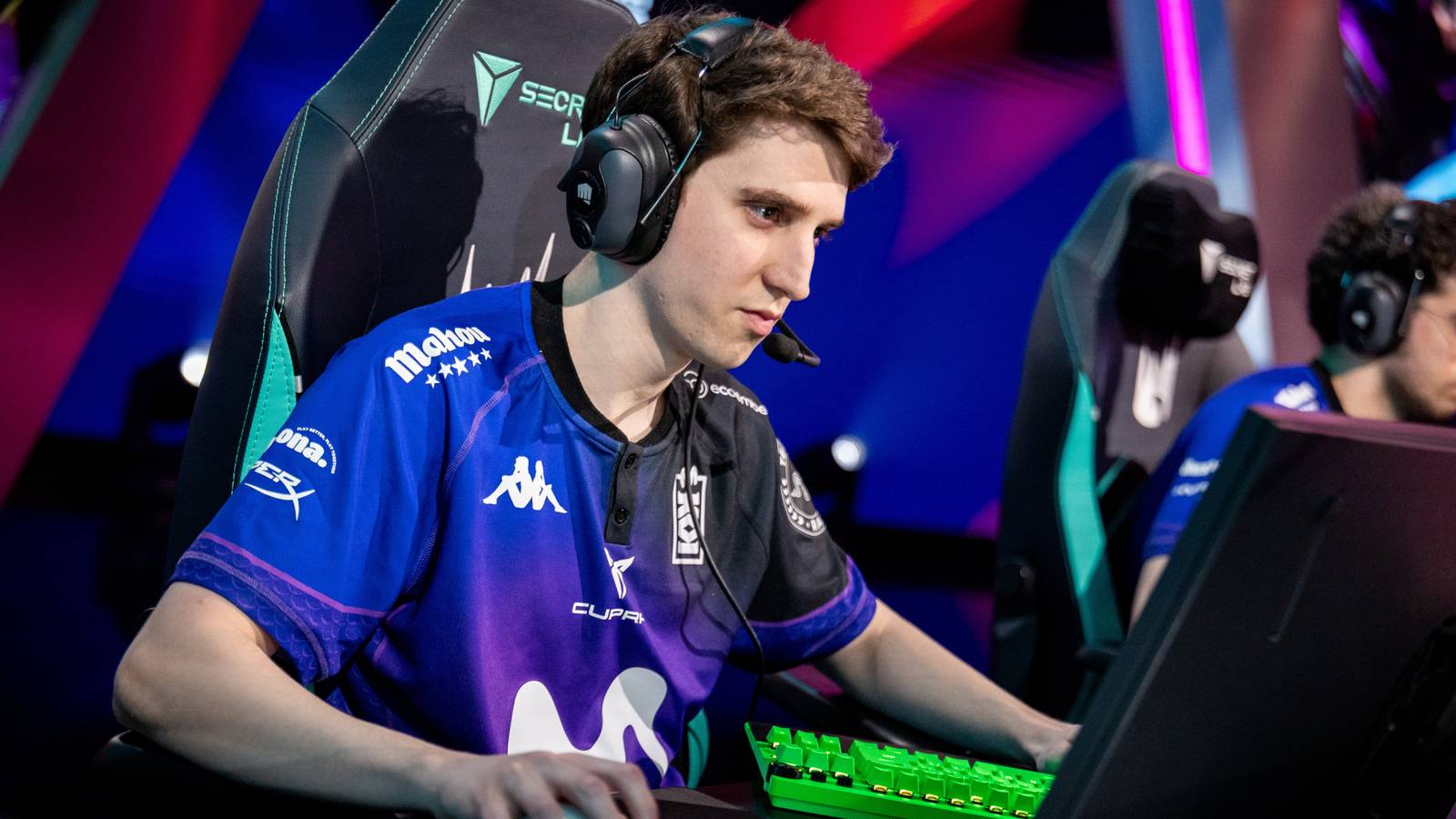
- Game: League of Legends
- Developer: Riot Games
- Player: David "Supa" Martínez García
- Platform: PC
Professional League of Legends player David "Supa" Martínez García has reported a significant improvement in his in-game performance after choosing to abstain from using TikTok. Developed by Riot Games, the popular Esports title requires high levels of concentration, which García claims was hindered by his previous habits on short-form social media platforms.
The Impact of Social Media on Pro Esports Players
In a recent interview with Sheep Esports, García discussed the transition he made during the 2026 season. The decision to remove the application from his daily routine was driven by professional guidance. García noted that his sports psychologist and performance coach identified his heavy usage of the platform as a potential barrier to his competitive success in LoL.
"I was using TikTok a lot last split," García stated. "My psychologist and performance coach told me that if I stopped using it, my performance would be better."
For players competing at the highest level of League of Legends, maintaining mental clarity is a requirement. While FaZe Clan and other major organizations often emphasize physical training, the psychological aspect of managing digital consumption has become a focal point of modern coaching. García’s experience highlights a growing trend where athletes are scrutinizing their screen time to optimize their cognitive state for high-stakes matches on PC.
Understanding Dopamine and Competitive Gaming
A central theme in García’s decision is the management of dopamine, the neurotransmitter responsible for motivation and reward. According to the player, he began researching the science behind dopamine to better understand why he felt a lack of drive during his training sessions. This research, combined with listening to various podcasts, helped him realize that the rapid-fire rewards provided by short-form video apps were negatively affecting his ability to focus on the long-term demands of being a professional gamer.
"I started to learn about dopamine, listening to podcasts, and I feel it helped a lot," García explained. "Controlling your dopamine is very helpful. When I cut out the excessive intake of it, I feel a lot better, but at any point, it can get worse again if I don't control it."
This biological perspective on gaming performance is becoming more common within the Esports community. By limiting the artificial spikes in dopamine caused by scrolling through personalized feeds, players may find it easier to derive satisfaction from the incremental progress involved in mastering League of Legends mechanics and strategy.
Challenges of Digital Abstinence in 2026
García admitted that the process of stepping away from social media is not without its difficulties. As a member of a generation that has grown up with constant digital connectivity, breaking the cycle of checking these platforms requires daily effort. He emphasized that the change did not occur overnight and that he must remain vigilant to maintain his current progress.
"It's not that easy—it doesn't just disappear in a few weeks," García said. "It's something you need to put care into every day, and, well, it's hard because I'm from this generation that's been very connected to platforms like TikTok."
At In Game News, we have observed that the pressure to stay connected often conflicts with the intense training schedules of professional players. While the primary goal for many is to climb the ranks in League of Legends, the psychological toll of digital saturation is prompting a shift in how teams approach player wellness. You can read more about the intersection of mental health and competitive gaming in our coverage of player well-being.
The Science of Short-Form Media
The apps that García referenced are designed to minimize the time between a user opening the application and receiving a "payoff." This structure is intended to cater to shorter attention spans, which can have unintended consequences for users. Research suggests that excessive consumption of such media can lead to increased anxiety and decreased self-esteem. For a professional player, these states can manifest as poor decision-making or a lack of emotional regulation during a match.
By creating a loop of constant reward, these platforms can make traditional tasks—like practicing a specific champion or reviewing game footage—feel less rewarding by comparison. This can create a cycle of low motivation, as the brain becomes accustomed to the high-frequency dopamine spikes provided by the app. García’s decision to limit his intake is a practical application of the understanding that motivation is a finite resource that must be protected from external digital interference.
Frequently Asked Questions
How does quitting TikTok improve League of Legends performance?
Quitting TikTok helps regulate dopamine levels, which allows players to maintain better focus and motivation for long-term goals like professional gaming.
Why did Supa Martinez Garcia quit TikTok for esports?
Supa quit TikTok on the advice of his sports psychologist to manage his dopamine intake and address the negative impacts of short-form content on his concentration.
Does social media usage affect League of Legends pro players?
Excessive consumption of short-form social media can disrupt dopamine regulation, potentially leading to reduced motivation and increased anxiety for professional players.
Trump Admin Debates Tencent Divestment from Riot Games & US StudiosCharacter Design Controversy
Riot Games Releases Controversial Skin Lines: Love Confession Riven D...Challenger Rank
League of Legends Patch Notes: High-ELO Matchmaking Quality and Duo Q...League of Legends
Riftbound is a Masterpiece—Too Bad You Can’t Actually Buy It