
Supergiant Games Reflects on Hades 2 Ending Changes in 2026
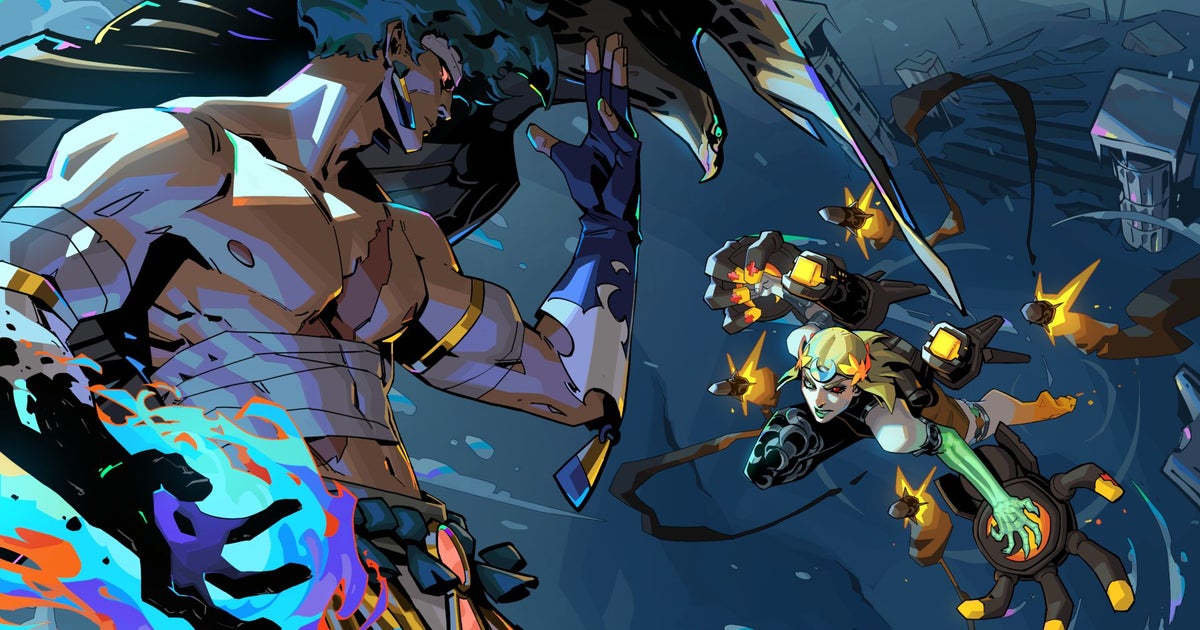
- Game: Hades 2
- Developer: Supergiant Games
- Release Status: 1.0 Launch (2025)
- Platform: PC
Hades 2 is a roguelike that underwent significant narrative adjustments shortly after its 1.0 launch, following player feedback regarding the game's original conclusion. As a prominent roguelite title, the game faced scrutiny from its community, leading developer Supergiant Games to revise the ending one month after the official release. This decision has sparked discussions about the nature of narrative design in games and the role of developer-player interaction in 2026.
The Process Behind Hades 2 Ending Adjustments
In a recent interview, creative director Greg Kasavin provided insight into the Hades 2 controversial ending developer explanation 2026. According to Kasavin, while the majority of the player base enjoyed the experience, a specific portion of the community made their dissatisfaction with the ending clear. Supergiant Games utilized their established development loop to address these concerns.
The team evaluated whether they could implement changes that satisfied the critics without negatively impacting the experience for those who were already content with the original version. Kasavin emphasized that the goal was to maintain the "soul" of the project while refining the narrative delivery. This iterative approach is consistent with how the studio handled other aspects of the game during its early access period, where they frequently adjusted dialogue and conversations to fill gaps in the story.
Mythology as a Malleable Narrative Tool
Kasavin argued that modifying the ending of Hades 2 aligns with the fundamental nature of mythology. He noted that myths are, by definition, stories that are told and retold. By viewing the game's narrative through this lens, the developers felt justified in treating the ending as a fluid element rather than a fixed point. This perspective challenges the traditional view that a story must be immutable once a product reaches its 1.0 version.
For those tracking roguelike news, this approach highlights a shift in how studios perceive the finality of their work. Rather than viewing the 1.0 launch as the absolute end of creative development, Supergiant treats the narrative as a living component of the game. This philosophy allows for adjustments that reflect the evolving relationship between the developers and their audience.
Addressing Player Feedback in Modern Development
The decision to change the ending of Hades 2 has not been met with universal praise, reflecting the complexity of managing player expectations. Some members of the community question the long-term implications of developers responding to every piece of feedback. There is a concern that constant iteration, even on narrative elements, could lead to a loss of original authorial intent. However, Kasavin maintains that the updated ending is an improvement over the initial version released during the 1.0 launch.
This situation serves as a case study for our Supergiant Games coverage, illustrating the balance between maintaining a creative vision and responding to community sentiment. The following list outlines the key stages of the feedback-to-update pipeline used by the studio:
- Monitoring: Tracking player sentiment and specific complaints regarding the 1.0 ending.
- Evaluation: Determining if the feedback aligns with the intended emotional or narrative experience.
- Feasibility Study: Assessing if changes can be made without compromising the integrity of the game's "soul."
- Implementation: Iterating on the narrative content using the same processes applied to gameplay balancing.
- Release: Deploying the update to refine the player experience post-launch.
The Future of Iterative Storytelling
As the industry moves further into 2026, the case of Hades 2 stands out for its transparency regarding post-launch narrative changes. While technical patches and balance updates are standard for the roguelite genre, altering the conclusion of a game is a more significant step. The success of this change, according to Kasavin, is evidenced by the appreciation shown by those who were previously dissatisfied.
Whether this trend of "living narratives" will continue remains to be seen. For now, Supergiant Games remains committed to the idea that storytelling in games can be as flexible as the gameplay systems that support it. By treating the Hades 2 ending as an iterative process, the studio has opened a conversation about where the line between creator and consumer influence should be drawn.
Frequently Asked Questions
Why did Supergiant change the Hades 2 ending?
Supergiant Games updated the Hades 2 ending one month after its 1.0 launch because a segment of the player base expressed dissatisfaction with the original conclusion.
What did Greg Kasavin say about Hades 2 ending changes?
Creative director Greg Kasavin explained that the team followed their standard development process of reviewing player feedback to improve the experience without compromising the game's core vision.
Is the Hades 2 ending considered static?
Greg Kasavin noted that while stories are often viewed as immutable, the team treats narrative as an iterative element of development, similar to balancing gameplay mechanics.
Supergiant Games Reflects on Hades 2 True Ending Changes in 20262026 top-reviewed games
Mewgenics Sells Over 1 Million Units, Surpassing Hades 2 Player CountEdmund McMillen
Mewgenics Shatters Steam Records: Launch Success and Player Count Det...Edmund McMillen
Mewgenics Breaks Steam Roguelike Record: Sales Milestones and Future ...