
Why Sony Threatened to Pull Funding for Uncharted 4: A Thief’s End
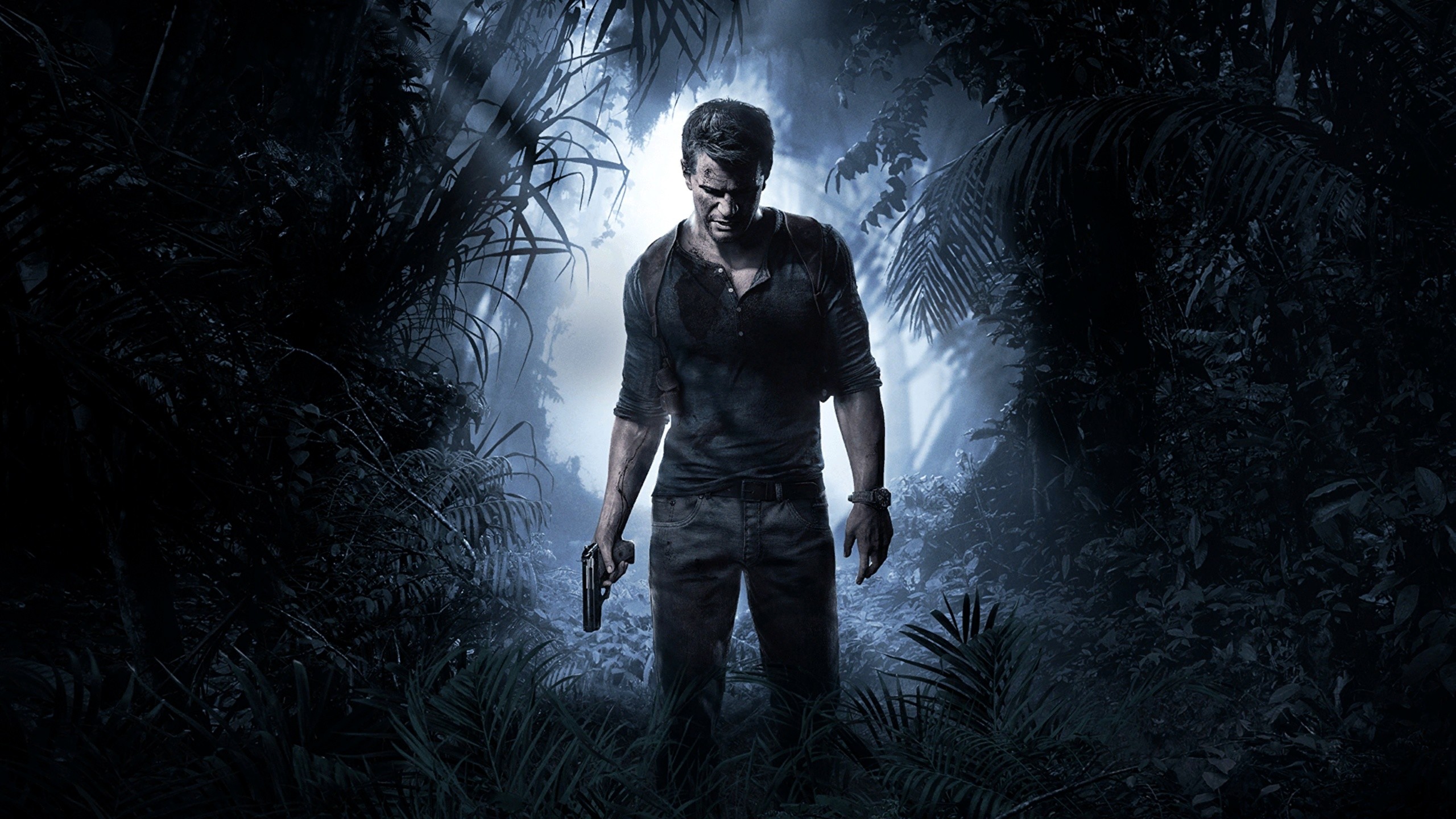
- Game: Uncharted 4: A Thief’s End
- Developer: Naughty Dog
- Publisher: Sony Interactive Entertainment
- Release Date: May 10, 2016
- Metacritic Score: 93
- Platforms: PlayStation 4, PlayStation 5
Sony Interactive Entertainment once threatened to Pull Funding for Uncharted 4: A Thief’s End when the project faced severe internal development hurdles. As reported in recent interviews, the game, which was developed by Naughty Dog for the PlayStation 4, required a total overhaul after corporate leadership determined that the initial prototype simply did not meet the required standards. The studio was effectively told, "You Don't have a viable product," and were given an ultimatum to Fix This or see the project terminated. The title, which Was Almost Cancelled during its early years, eventually launched in 2016 to critical acclaim, proving that the shift in direction saved the project, despite the team having to restart significant portions of the work. The studio faced immense pressure to perform on the S4 Because It was a flagship franchise for the platform.
Understanding the Troubles Behind Uncharted 4 Development
The history of Uncharted 4: A Thief’s End is marked by a significant transition in leadership. Originally announced alongside the launch of the PlayStation 4 with Amy Hennig leading the project, the game underwent a major pivot several years into its lifecycle. Following the departure of Hennig, Naughty Dog appointed Neil Druckmann and Bruce Straley to take over the project. This change was not merely a administrative shift; it was a response to a production cycle that had stalled after nearly three years of development with little to show that satisfied executive expectations.
In our coverage at In Game News, we have tracked how high-profile projects often face internal restructuring. However, the specific details regarding the Uncharted 4 crisis were recently clarified by senior lighting artist Gabriel Betancourt. Speaking on the Kiwi Talkz podcast, Betancourt provided insight into the studio's internal culture during that period. He noted that the team was riding the momentum of previous successes, which created an environment where the project lead was surrounded by "yes men." This insulated the production from necessary criticism until an outside director was brought in to review the work. The conclusion of that review was blunt: the prototype "sucked."
The Ultimatum from Corporate
When the review reached Sony’s corporate offices, the response was immediate and severe. The publisher made it clear that the funding would be withdrawn if the studio failed to rectify the project's trajectory. This forced a total reassessment of the game's direction. The original director was removed from the project, and a new team, including the "naysayer" who had identified the flaws, was brought in to lead the recovery effort. This reset meant that the studio effectively spent five to six years in total production to deliver the final product.
The following table outlines the timeline of the development challenges faced by the team:
| Phase | Status |
|---|---|
| Initial Development | 3 years of stalled progress under original leadership |
| Corporate Intervention | Sony threatens to pull funding; leadership change occurs |
| Recovery Phase | Druckmann and Straley take over; game is largely redone |
| Final Release | Game launches in 2016 with a 93 Metacritic score |
The Impact of the Creative Reset
The decision to restart the project proved effective in terms of critical reception. Upon its release on May 10, 2016, Uncharted 4: A Thief’s End achieved a 93 score on Metacritic and became a commercial success for the PlayStation 4. Despite the eventual success of the game, the toll on the developers was significant. Bruce Straley, one of the directors brought in to save the project, eventually left Naughty Dog, citing burnout and the intense stress associated with the development cycle as primary reasons for his departure.
The studio's ability to turn a project that was near cancellation into a highly-rated shooter is a notable chapter in the history of Naughty Dog. While the franchise saw a standalone expansion titled Uncharted: The Lost Legacy, the main series has remained dormant for years. For those interested in the broader context of the studio's output, you can review our Naughty Dog coverage for more details on their recent history.
Future Prospects for the Franchise
While the franchise has been quiet since 2016, recent activity suggests that the series may not be finished. Earlier in 2026, director Shaun Escayg, who previously worked on the series, shared updates on social media that sparked speculation regarding a new entry. Fans of the series continue to look for clarity on whether a new title is in active development. As we continue our PlayStation news coverage, we will monitor any official announcements from Sony regarding the future of the Nathan Drake saga.
The industry remains hopeful that the original, failed prototype of Uncharted 4 might one day be revealed. Understanding exactly what went wrong during those first three years would provide a valuable lesson in game design and studio management. Until then, the story of Uncharted 4 serves as a reminder of the volatility inherent in high-budget game development, where even the most successful franchises are one bad prototype away from being cancelled.
Frequently Asked Questions
Below are the most common questions regarding the development history of this title.
- Why was Uncharted 4: A Thief’s End almost cancelled?
The project faced a near-cancellation because early prototypes were deemed unsuccessful by internal reviews, leading Sony to threaten to pull funding if the game was not fixed. - Was Uncharted 4 development troubled at Naughty Dog?
Yes, the development was significantly troubled, requiring a major leadership change and a total creative overhaul after nearly three years of initial production. - What did Gabriel Betancourt say about Uncharted 4 development?
Senior lighting artist Gabriel Betancourt stated that the project suffered from a lack of critical feedback under its original leadership, resulting in a directive from corporate to fix the game or lose financial support.
Final Fantasy XIV Evercold Expansion: Glamour Plates and Future UpdatesGaming News
Super ZSNES Emulator Launches in 2026: Features and DetailsAction
Alien: Isolation 2 Confirmed: Unreal Engine 5 and 2026 Teaser DetailsAction
Hallow Blade Announced: First-Person Action Game Coming to PC in 2026