
Why the Villain Feels More Compelling in JRPGs: A 2026 Analysis
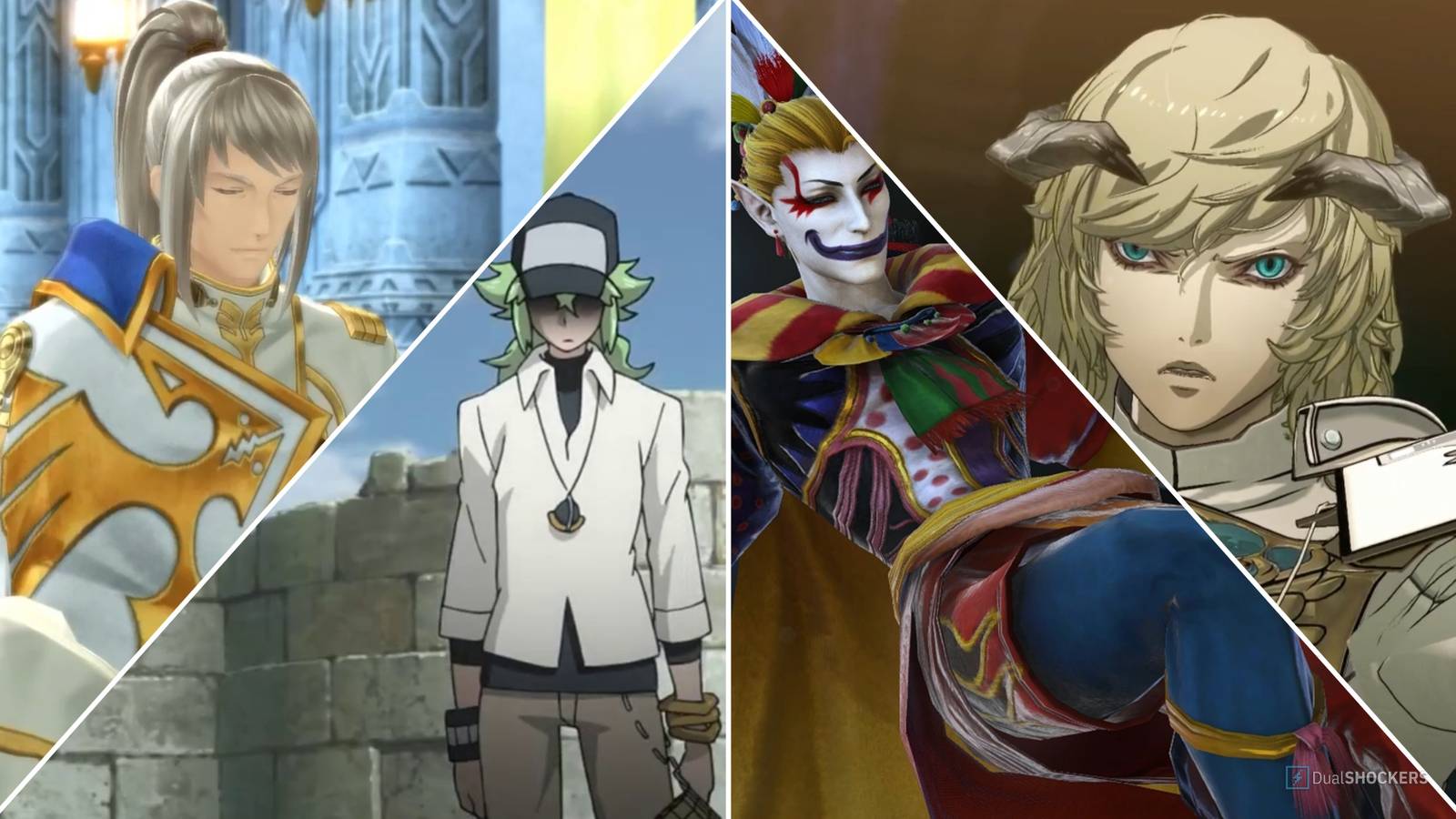
- Game: Final Fantasy X-2
- Developer: Square Product Development Division 1
- Genre: RPG
- Metacritic Score: 85
The Gs Where the Villain Feels More Compelling are often those that prioritize complex character arcs, as noted by Daniel Trock in his analysis published Apr 24, 2026. In the vast library of role-playing games, the success of a narrative frequently hinges on the strength of the antagonist rather than just the hero. While the protagonist serves as the player's avatar, the villain often provides the necessary friction that drives the plot forward, leading many to question if the antagonist is inherently more interesting.
The Psychology of the JRPG Antagonist
Writing a successful story for a JRPG requires more than a standard hero's journey; it necessitates a counterpoint to challenge the protagonist's growth. When examining the best JRPGs with compelling villains in 2026, it becomes clear that players are drawn to characters who exist outside of their direct control. Because players cannot influence the antagonist's decisions or view their internal monologue, these characters maintain an aura of mystery that keeps them at the forefront of community discussions and fan art creations.
This phenomenon is not a critique of the protagonists themselves, but rather a testament to the dark allure that well-written villains possess. In many cases, the antagonist serves as a mirror to the hero, highlighting flaws or alternative paths that the protagonist might have taken under different circumstances. This dynamic is a staple of the genre, tracing back to the earliest days of digital storytelling.
Shuyin and the Legacy of Final Fantasy X-2
One of the most notable examples of this narrative structure is found in Final Fantasy X-2, developed by Square Product Development Division 1 and published by Square Enix. Originally released on March 13, 2003, for the PlayStation 2, the game centers on Yuna’s journey as a Sphere Hunter. The catalyst for her adventure is a recording featuring a man who resembles Tidus, yet this figure is actually Shuyin, a resident of the original Zanarkand who perished a millennium prior during the war with Bevelle.
Shuyin’s story is defined by his relationship with Lenne, a summoner and singer who was forced to the front lines of the conflict. In an attempt to end the war, Shuyin infiltrated a secret weapons facility to activate the Vegnagun, a massive Machina weapon. The tragic conclusion of this attempt, which saw both Shuyin and Lenne killed by soldiers, left Shuyin’s spirit trapped by grief and rage. His inability to reach the Farplane allowed him to linger for centuries, eventually possessing Nooj’s body to enact his vengeance upon a world he deemed to have grown worse since his death.
Why Antagonists Outshine Heroes
The popularity of antagonists in games like Tales of Berseria often stems from their grounded, albeit extreme, motivations. When analyzing why is the antagonist in Tales of Berseria so popular, one must look at the way the narrative treats their descent into villainy. Unlike the typical "evil for the sake of evil" trope, these characters are often driven by personal loss or systemic failures, making them feel like fully realized participants in the game world rather than mere obstacles.
For more on how narrative structures impact player experience, see our RPG analysis coverage. The distinction between a hero and a villain in these titles is often thinner than it appears, with both sides operating under their own internal logic. Players find this ambiguity engaging, as it forces them to consider the morality of the actions taken by both the protagonist and the antagonist throughout the latest JRPG news.
Key Differences in Character Perception
- Control: Players control the protagonist, limiting the mystery surrounding their actions.
- Motivation: Antagonists often possess clear, singular goals that contrast with the hero's reactive nature.
- Mystery: The lack of player access to the villain's internal state creates an allure that invites speculation.
- Tragedy: Many JRPG villains are defined by unresolved past traumas that mirror the hero's own struggles.
The Evolution of Villainy in 2026
As the industry moves through 2026, the standard for what constitutes a compelling antagonist continues to rise. Developers are increasingly moving away from archetypal villains in favor of characters who challenge the player's perception of the world. In titles like Final Fantasy X-2, the villain is not just a boss to be defeated, but a historical figure whose actions are a direct consequence of the game's lore. This depth ensures that players remain invested in the story long after the credits roll.
The trend of creating complex antagonists serves to elevate the genre, ensuring that the conflict remains the focal point of the experience. By providing a villain with a history, a motive, and a sense of humanity, developers ensure that the struggle between the hero and the villain feels meaningful. This balance is what keeps the genre vibrant and relevant, even decades after the release of foundational titles.
Frequently Asked Questions
Why is the antagonist in Tales of Berseria so popular?
The antagonist in Tales of Berseria is popular because their motivations are deeply rooted in personal tragedy and a complex moral philosophy that challenges the hero's perspective.
Are JRPG antagonists more interesting than heroes?
JRPG antagonists are often perceived as more interesting because they operate outside the player's control, creating a sense of mystery and dark allure that protagonists cannot replicate.
Which JRPGs have better villains than protagonists?
Titles such as Final Fantasy X-2 and Tales of Berseria are frequently cited by players as having antagonists whose depth and narrative weight often surpass those of the main playable characters.