
Analyzing Moral Complexity in Final Fantasy Villains as of 2026
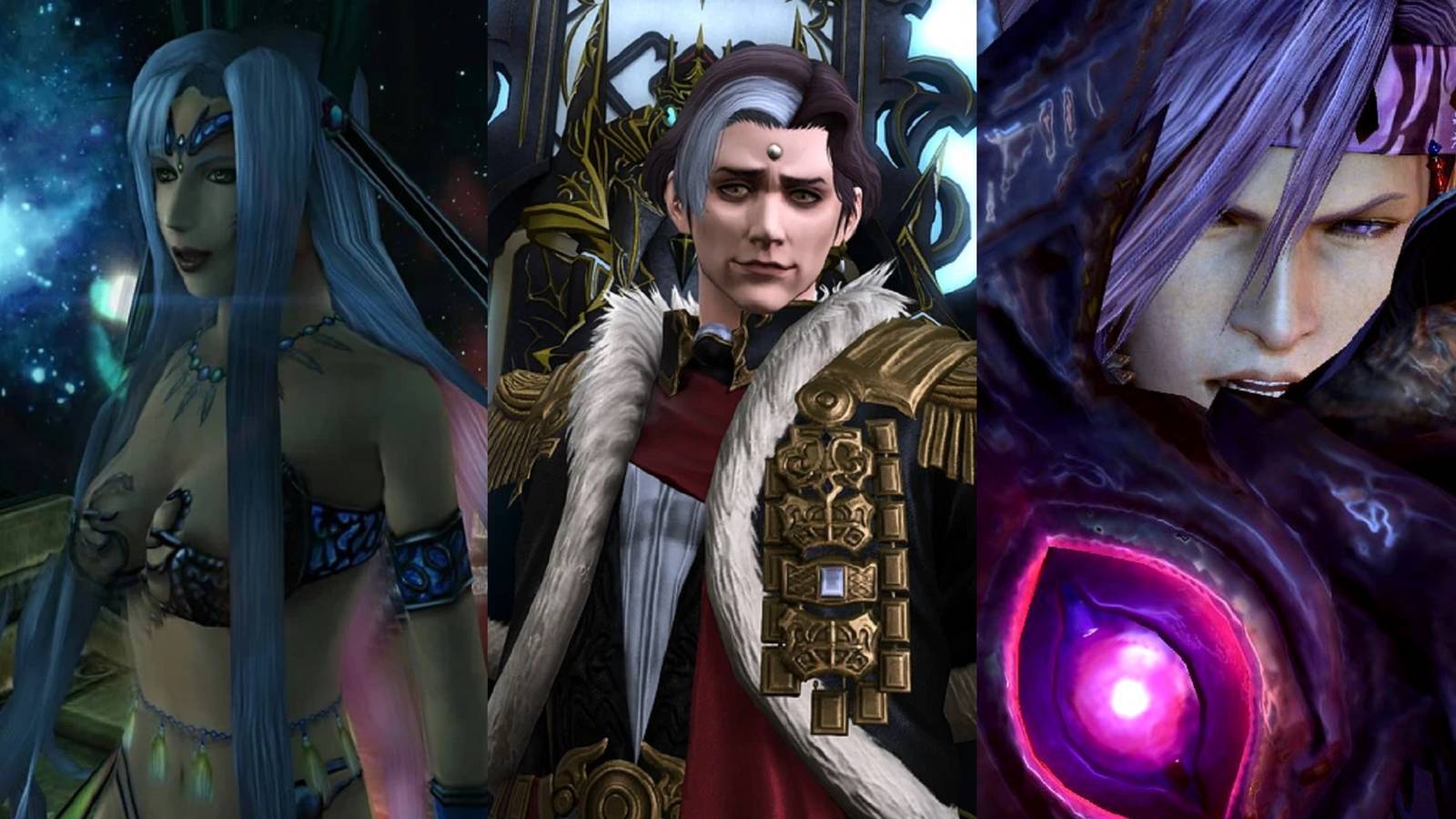
- Franchise: Final Fantasy
- Developer: Square Enix
- Original Release: 1987
- Platform Scope: Multi-Platform
Final Fantasy VII Rebirth and Final Fantasy XIV continue to dominate the modern RPG conversation, yet the legacy of Square Enix is equally defined by its complex roster of antagonists. As we look at the franchise in 2026, the discussion surrounding the most sympathetic Final Fantasy villains ranked 2026 remains a central theme for long-time players. While fans often compare these titles to other major industry pillars like Resident Evil 9 from Capcom, the narrative depth of the Final Fantasy series relies heavily on the internal logic of its primary antagonists.
The Evolution of Antagonistic Design
The history of the franchise, dating back to the original 1987 release on the NES, established a foundational structure for conflict. However, as the series progressed, the writing team at Square Enix began to move beyond simple archetypes. Today, we analyze why do some Final Fantasy villains want to save the world, as this question often highlights the difference between a character who is simply malicious and one who is fundamentally misunderstood.
Our coverage at In Game News has frequently observed that the best written Final Fantasy antagonists of all time are those who operate under a rigid, albeit flawed, moral code. These characters often view the protagonist’s interference not as a heroic act, but as a hindrance to a necessary, greater good. This shift in perspective has allowed the series to maintain its relevance in 2026, even as it competes with high-profile horror titles like the latest entries in the Capcom catalog.
Case Studies in Moral Ambiguity
To understand the nuances of these characters, we must examine specific examples where the line between hero and villain becomes obscured. The following list details antagonists who possess motivations that challenge the traditional "good versus evil" narrative.
- Delita (Final Fantasy Tactics): Often categorized as an anti-hero, Delita is a commoner who rises to power with the specific intent of creating a peaceful reign for Ivalice. His ruthless political maneuvering is driven by a desire to bridge the gap between the nobility and the common people, ultimately succeeding in bringing stability to a fractured land.
- Caius (Final Fantasy XIII-2): Caius serves as the guardian of the seeress Yuel. His actions are dictated by the trauma of watching Yuel die and be reborn repeatedly. His desire to unleash Chaos is rooted in a desperate attempt to break this cycle, making his conflict with Serah and Noel feel like a tragic misunderstanding rather than a simple clash of wills.
- Sephiroth (Final Fantasy VII Remake): While his ultimate goals remain shrouded in mystery compared to his original iteration, the Remake version of Sephiroth presents a calculated approach to changing the future. His presence forces the player to question the nature of destiny and the cost of maintaining the status quo.
Are Final Fantasy Villains Actually Evil?
The debate over whether these characters are truly evil or simply misguided is a recurring topic in our Final Fantasy news hub. The fundamental issue often lies in the disparity between the villain’s goal and their methodology. In many instances, the villain possesses a vision for a better world, but their willingness to sacrifice others to achieve that vision is what cements their status as an antagonist.
For example, when evaluating which Final Fantasy villains had good intentions, one must acknowledge that characters like Caius are acting out of a sense of duty and protection. Their "evil" is a byproduct of their circumstances, not an inherent desire to cause suffering. This level of writing ensures that players remain engaged with the narrative long after the credits roll, as they continue to debate the ethical implications of the villain's final decisions.
The Impact on Modern RPG Narrative
As we move through 2026, the influence of these complex character studies can be seen in how newer titles are developed. Square Enix has set a high bar for character development, forcing other studios to reconsider how they present their own antagonists. While Capcom continues to refine the horror-action hybrid style with titles like Resident Evil 9, the RPG genre still looks to the Final Fantasy series as the gold standard for character-driven conflict.
The longevity of these characters is a testament to the quality of the writing. By providing antagonists with clear, relatable, and sometimes noble motivations, the developers have created a library of characters that continue to resonate with players decades after their initial introduction. Whether it is the political cunning of Delita or the tragic burden of Caius, these villains have become just as iconic as the heroes they oppose.
Frequently Asked Questions
Why do some Final Fantasy villains want to save the world?
Some antagonists, such as Caius from Final Fantasy XIII-2, believe their destructive actions are necessary to prevent a worse, inevitable future or to break a cycle of suffering.
Are Final Fantasy villains actually evil?
While many antagonists are classified as villains due to their methods, their motivations often stem from a desire to improve society or protect those they love, blurring the lines between good and evil.
Which Final Fantasy villains had good intentions?
Characters like Delita from Final Fantasy Tactics sought to create a more equitable society for commoners, demonstrating that some villains pursue noble goals through ruthless, questionable actions.
Fabula Nova Crystallis 20th Anniversary: A Retrospective of the 2026 ...Final Fantasy
Final Fantasy VII Rebirth and Final Fantasy XIV on Nintendo Switch 2 ...Analysis
Final Fantasy VII Rebirth and Final Fantasy XIV Minigame Trends of 2026Analysis
Final Fantasy Series Character Hair and Fashion Analysis 2026