
Final Fantasy VII Rebirth and Final Fantasy XIV Minigame Trends of 2026
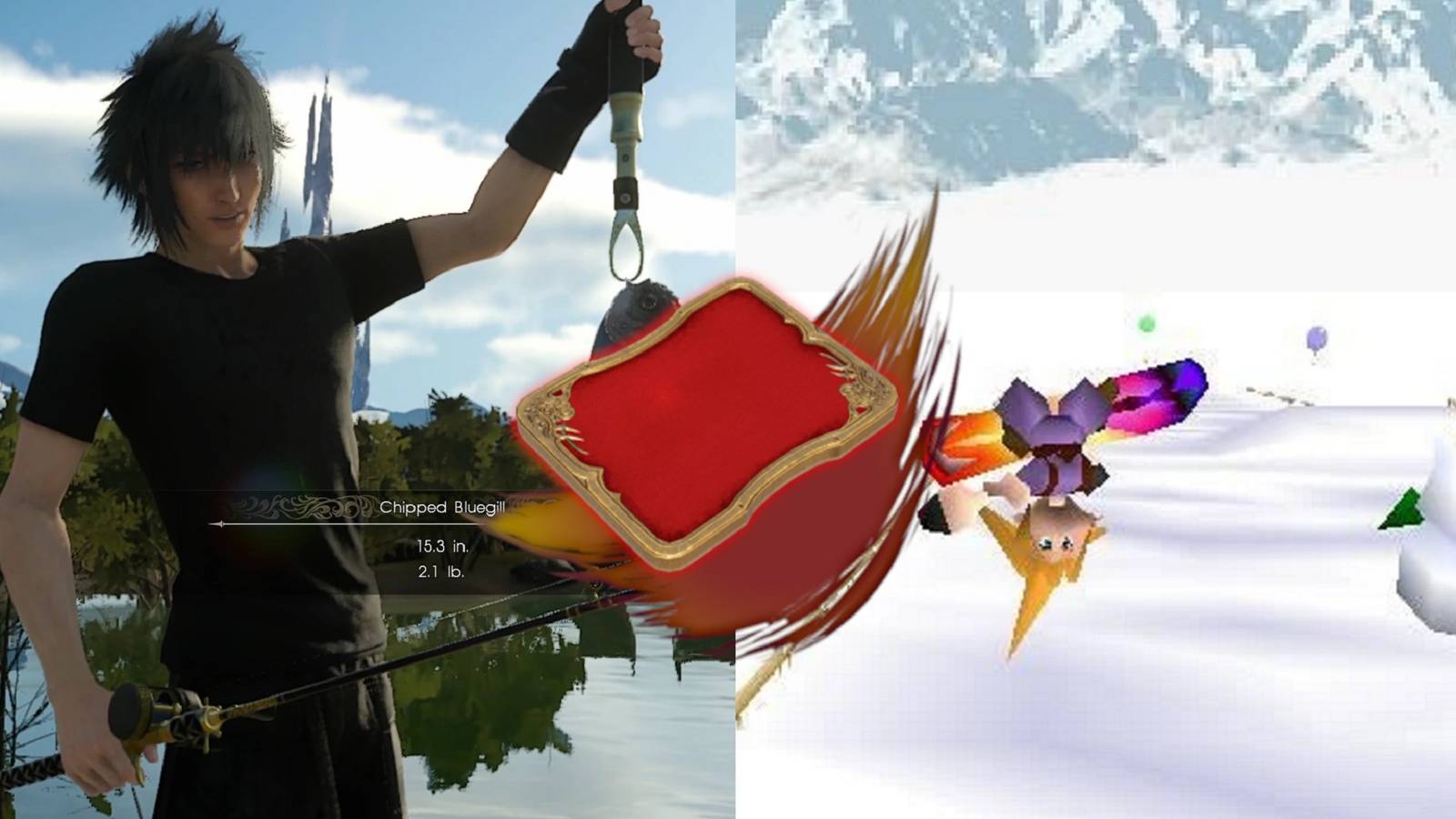
- Game: Final Fantasy VII Rebirth / Final Fantasy XIV
- Developer: Square Enix
- Original Franchise Launch: 1987
- Core Appeal: Strategic side activities and reward-based gameplay
The integration of side activities remains a hallmark of the franchise, with Final Fantasy VII Rebirth and Final Fantasy XIV leading current discussions regarding the best minigames in the series. Developed and published by Square Enix, these titles utilize secondary gameplay loops to provide players with a reprieve from main narrative objectives. While industry peers like Capcom focus on different mechanics in titles such as Resident Evil 9, the Final Fantasy series continues to define itself through these optional, high-engagement diversions.
The Evolution of Minigames in the Final Fantasy Series
Since the release of the original Final Fantasy in 1987, the series has consistently experimented with non-combat activities. These systems serve as more than just filler; they often provide essential resources or unique rewards that assist in the primary campaign. As reported by In Game News, the complexity of these systems has grown alongside the hardware capabilities of modern platforms like the PlayStation 5 and PC.
The Square Enix Final Fantasy best side activities list is frequently updated by the community, reflecting a shift toward deeper, more strategic experiences. Players often look for content that balances accessibility with a high skill ceiling, turning simple distractions into long-term engagement tools.
Top Rated Minigames and Their Impact on Player Retention
When analyzing the top rated minigames in Final Fantasy series history, two specific titles stand out for their complexity and community integration. These games are often cited as the most addictive, frequently drawing players away from the main story to focus on mastery.
- Triple Triad (Final Fantasy XIV): This card game has evolved into a cornerstone of the MMO experience. Beyond its strategic depth, it offers tangible rewards, including MGP and Gil. The constant addition of new cards ensures that the meta remains fresh for long-term players.
- Queen’s Blood (Final Fantasy VII Rebirth): Widely considered a standout addition to the remake trilogy, this card-based game draws inspiration from classic strategy titles. Its unique mechanics have led to significant player demand for a standalone release.
- Chocobo Racing: A staple of the franchise, this activity has appeared in numerous iterations, including a dedicated spinoff released in 1999. It provides a consistent, high-stakes racing experience that rewards careful preparation.
Strategic Depth in Modern Minigames
The success of games like Queen's Blood is attributed to its blend of familiar card-game tropes and original mechanics. By incorporating elements reminiscent of chess and other established strategy games, it creates an experience that feels both novel and intuitive. This design philosophy is a significant factor in why these activities are often viewed as the best Final Fantasy minigames ranked 2026. The ability to earn specific rewards, such as mounts in Final Fantasy XIV, provides a clear incentive for players to invest time in these systems.
The Role of Rewards and Progression
Not every minigame requires deep strategy to be considered successful. Some are effective simply because they provide a necessary break from high-intensity combat, while others are essential for gathering currency. The utility of these games often dictates their popularity. For example, the ability to sell duplicate cards in Final Fantasy XIV turns a casual card match into an efficient method for generating in-game wealth.
Comparing Industry Standards: Square Enix vs. Capcom
While the focus here remains on the Final Fantasy franchise, it is worth noting how different developers handle side content. In the broader market, developers like Capcom have taken different approaches to player engagement. With upcoming projects like Resident Evil 9, the focus often shifts toward atmospheric consistency rather than the expansive, multi-layered minigame suites found in modern RPGs. This distinction highlights the unique identity of the Final Fantasy series, which prioritizes a diverse array of experiences within a single title.
Our coverage at In Game News indicates that the demand for these systems is not waning. As hardware becomes more powerful, the ability to pack complex, standalone-quality games into a larger package becomes easier for developers to manage. This trend suggests that future entries will likely continue to expand upon the foundations laid by current leaders in the series.
Frequently Asked Questions
Which Final Fantasy game has the best minigames?
Final Fantasy VII Rebirth is widely noted for its extensive and high-quality minigames, while Final Fantasy XIV is recognized for its long-term support and rewards in activities like Triple Triad.
What are the most addictive Final Fantasy minigames?
Queen's Blood from Final Fantasy VII Rebirth and Triple Triad from Final Fantasy XIV are frequently cited as the most addictive activities due to their strategic depth and rewarding gameplay loops.
Are there rewards for playing minigames in Final Fantasy?
Yes, many minigames offer tangible benefits, such as the ability to earn MGP and Gil in Final Fantasy XIV or unique items and mounts that reward completionist efforts.
Final Fantasy Series Character Hair and Fashion Analysis 2026Analysis
Final Fantasy Mythology By Maddie Fisher: A 2026 Look at the Series L...Final Fantasy
Why Final Fantasy Almost Launched on the Original Xbox in 2026 ContextFinal Fantasy
Naoki Yoshida Discusses Final Fantasy Accessibility and Younger Playe...