
Final Fantasy Mythology By Maddie Fisher: A 2026 Look at the Series Legacy
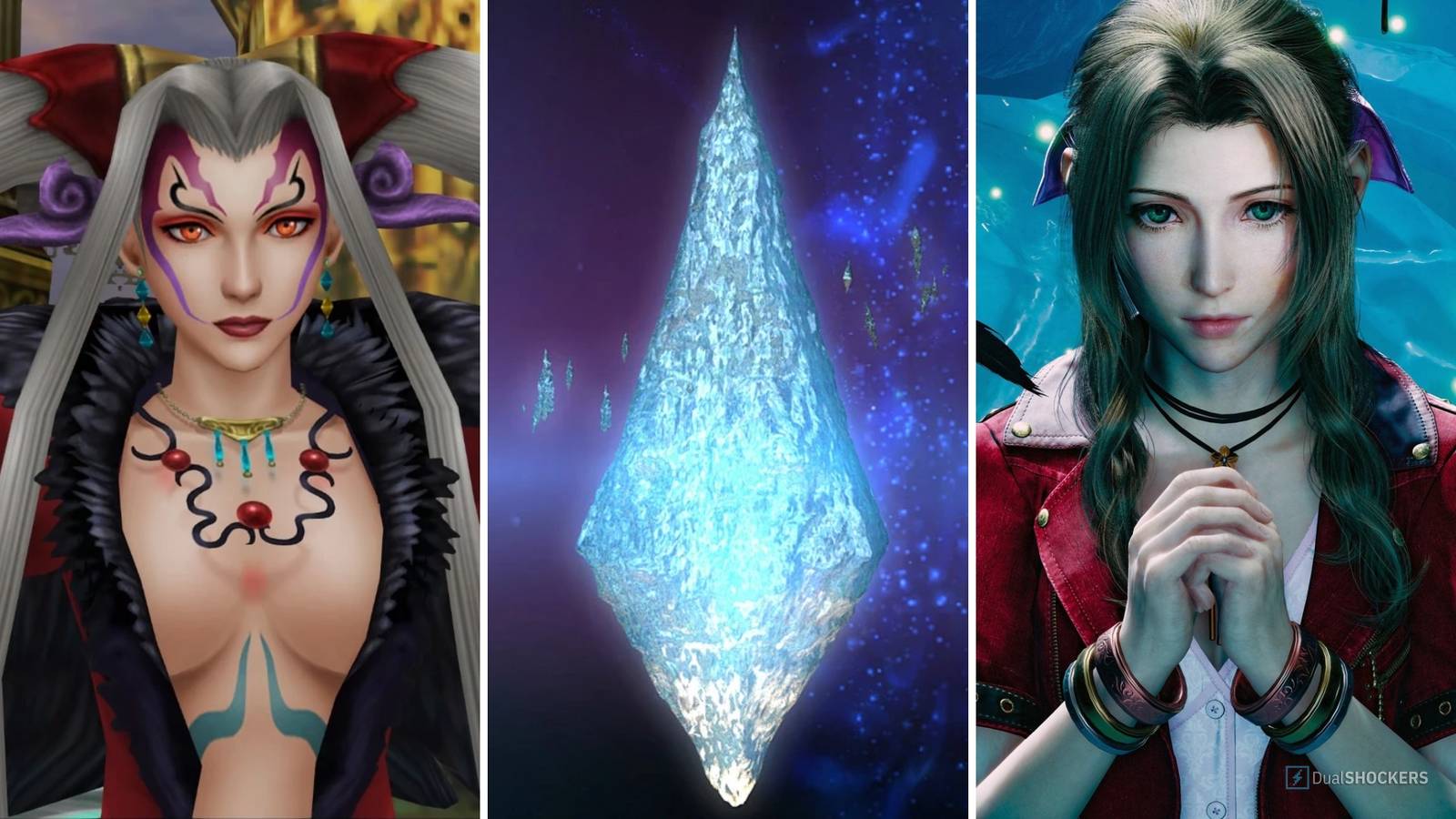
- Game: Final Fantasy (1987)
- Developer: Square Enix
- Franchise Milestone: 40th Anniversary in 2027
- Key Lore Focus: Ivalice Alliance and War of the Lions
Final Fantasy VII Rebirth and the ongoing updates to Final Fantasy XIV represent the modern state of a franchise that has defined the role-playing genre for nearly four decades. As Square Enix prepares for the 40th anniversary of the series in 2027, the depth of Final Fantasy mythology, as examined by Maddie Fisher in her April 2026 report, highlights how individual titles contribute to a broader, interconnected history of world-building.
The Evolution of Square Enix Final Fantasy Franchise Mythology Analysis
Since the launch of the original Final Fantasy in 1987, the series has moved through multiple console generations, consistently refining its internal logic and narrative scope. The original title, released on December 17, 1987, laid the groundwork for what would become a multi-platform phenomenon. Over the past 40 years, the series has moved from simple fantasy tropes to complex, multi-layered narratives that define the modern Square Enix output.
The strength of the franchise lies in its ability to maintain distinct identities for each mainline entry while sharing conceptual DNA. Whether players are engaging with the high-fantasy politics of the Ivalice Alliance or the character-driven drama of more recent entries, the lore remains a central pillar of the player experience. By looking at the trajectory of the series, it is clear that the mythology has not remained static; it has grown alongside the technology powering it.
Best Final Fantasy Lore Moments Explained 2026
As we approach the 2027 anniversary, it is useful to categorize the most significant narrative developments that have shaped the current state of the series. The following list details key elements of the franchise's historical and mythological structure:
- The Ivalice Alliance: This sub-series introduced a cohesive world-building framework that persists across several titles, most notably in Final Fantasy Tactics and Final Fantasy XII.
- The War of the Lions: A central conflict within the Ivalice timeline, this civil war draws heavy inspiration from the real-world 15th-century War of the Roses.
- Religious and Political Themes: Many entries utilize complex social structures and religious hierarchies to ground their fantasy worlds in believable, albeit fictional, historical contexts.
- Cross-Generational Consistency: Despite the shift from the NES to modern hardware like the PlayStation 5, the series maintains a consistent thematic language regarding the balance of power and the cost of conflict.
These elements, often cited in our coverage at In Game News, demonstrate how Square Enix uses historical parallels to add weight to their fictional universes. The War of the Lions, for instance, serves as a primary example of how the developer integrates real-world political drama into a strategy-focused RPG environment.
Understanding the Ivalice Alliance
The world of Ivalice stands as one of the most detailed settings within the franchise. Introduced primarily through Final Fantasy Tactics, the setting was expanded upon significantly in Final Fantasy XII. The mythology here is characterized by its focus on tactical warfare and the brutal reality of political succession. By utilizing the War of the Lions as a narrative anchor, the developers created a backdrop that feels ancient and lived-in, providing a stark contrast to the more traditional high-fantasy settings found elsewhere in the series.
This approach to world-building has influenced subsequent titles, encouraging a focus on the "why" behind the conflicts rather than just the "how." By exploring religious themes and the desperation of throne-seeking factions, the Ivalice entries established a standard for narrative depth that continues to influence the development of the franchise today.
Historical Context of the Original Final Fantasy
To understand the current state of the franchise, one must look back at the 1987 original. Released for the NES, the game established the core loop of the RPG genre that would eventually allow for the massive, lore-heavy titles of 2026. While the original game was limited by the hardware of the time, its success facilitated the growth of the series into the juggernaut it is today. The transition of the series across platforms like the PlayStation, Game Boy Advance, and modern consoles has allowed Square Enix to keep the original spirit alive while expanding the mythology to suit modern audiences.
Frequently Asked Questions
What is the history of Final Fantasy mythology?
The mythology of Final Fantasy began with the release of the original game in 1987 and has evolved over nearly 40 years through distinct mainline entries and spin-off universes.
How has Final Fantasy mythology evolved over 40 years?
The series has evolved by refining recurring elements across entries while introducing complex, unique world-building in titles like Final Fantasy Tactics and Final Fantasy XII.
What are the core themes in Final Fantasy series lore?
Core themes often include large-scale conflicts, religious undertones, and political struggles, frequently inspired by real-world historical events.
Why Final Fantasy Almost Launched on the Original Xbox in 2026 ContextFinal Fantasy
Naoki Yoshida Discusses Final Fantasy Accessibility and Younger Playe...Final Fantasy
Naoki Yoshida on Why Younger Players Are Losing Interest in Final Fan...Final Fantasy
GOG Announces Preservation Program Expansion: February 20th Update an...