
Casey Hudson Rejects AI for Star Wars: Fate of the Old Republic in 2026
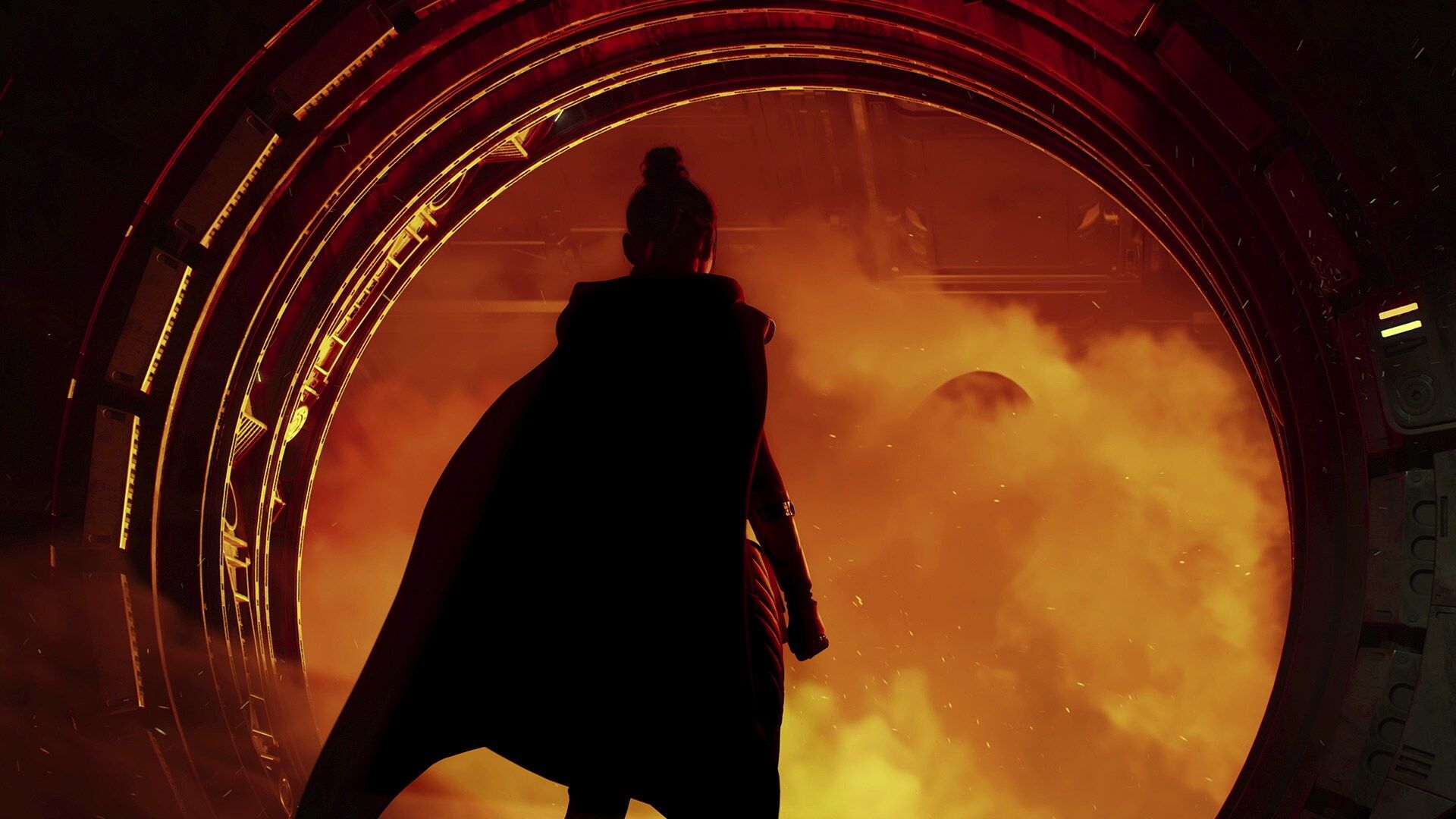
Former Mass Effect series lead Casey Hudson has officially confirmed that his new studio, Arcanaut Games, will not utilize generative AI during the production of Star Wars: Fate of the Old Republic. As the industry navigates the integration of automated tools, Hudson’s stance marks a firm commitment to human-led creative processes for the upcoming role-playing game. First revealed at The Game Awards in 2025, the title is currently in development as a spiritual successor to the classic Knights of the Old Republic series.
- Game: Star Wars: Fate of the Old Republic
- Developer: Arcanaut Games
- Director: Casey Hudson
- Funding Partner: GreaterThan Group (GTG)
The Stance of Arcanaut Games on AI Development
In recent discussions regarding the 2026 trajectory of game production, Casey Hudson has been vocal about his rejection of generative technology. While many studios are exploring AI to streamline quality assurance or asset generation, Hudson maintains that such tools offer little value to the creative vision of Arcanaut Games. He described his perspective to Bloomberg, noting that he finds generative AI to be inherently lacking in creative substance.
Hudson’s approach involves maintaining a lean internal team at Arcanaut Games rather than scaling up to the massive headcounts common in modern AAA development. When the internal team reaches capacity, the studio intends to contract work to human co-developers rather than relying on algorithmic generation. This strategy ensures that every aspect of the Star Wars: Fate of the Old Republic experience remains the product of human effort, aligning with the studio's broader philosophy on game design.
Industry Context and Development Philosophy
The conversation surrounding AI in gaming has become increasingly polarized. While some major publishers utilize AI to automate repetitive tasks and reduce overhead costs—often citing efficiency in quality assurance or background processes—other creators argue that the technology risks displacing human talent. Our coverage at In Game News has tracked this shift, noting that the distinction between AI-assisted automation and generative art has become a primary point of contention for developers and players alike.
Arcanaut Games is one of several studios currently supported by the GreaterThan Group (GTG). Founded by former NetEase president Simon Zhu, GTG aims to provide financial stability to independent developers. By backing studios like Arcanaut Games, Rebel Wolves, and Quantic Dreams, GTG seeks to provide the necessary resources for creators to execute their visions without the pressure to adopt industry-wide trends that may conflict with their creative standards. For more updates on the industry, you can follow our development news coverage.
Production Strategy for Star Wars: Fate of the Old Republic
The development of Star Wars: Fate of the Old Republic is defined by its commitment to a smaller, more focused team structure. By avoiding the bloat of "hundreds and hundreds of people," Hudson aims to maintain tight control over the game’s narrative and mechanical integrity. This lean operational model is intended to foster a more direct creative workflow, ensuring that the final product remains consistent with the high standards associated with Hudson’s previous work on the Mass Effect series.
This methodology also extends to how the studio handles overflow work. Rather than turning to automated solutions, Arcanaut Games will utilize a network of human collaborators. This ensures that the studio remains agile while adhering to its stance against generative tools. As we continue to monitor the progress of this title, we will provide updates on how this human-centric approach influences the game's development cycle. You can find more information on similar projects in our RPG coverage section.
Comparing Development Approaches
The following table outlines the current industry approaches to AI integration in game development as observed in 2026.
| Approach | Focus | Usage |
|---|---|---|
| Generative-Heavy | Efficiency/Cost | Art, Writing, QA Automation |
| Human-Centric | Creative Control | Manual Art, Writing, Code |
| Hybrid | Optimization | Background processes, QA |
As Arcanaut Games continues to build out the foundation of Star Wars: Fate of the Old Republic, the industry will be watching to see how a non-AI workflow impacts the final product's quality and release schedule. The studio's commitment to avoiding generative tools represents a significant choice in an era where automation is increasingly viewed as a standard solution for development hurdles.
Frequently Asked Questions
Is Star Wars: Fate of the Old Republic using AI in its development?
No, Arcanaut Games founder Casey Hudson has explicitly stated that the studio is not using generative AI in the development of Star Wars: Fate of the Old Republic.
What is the developer policy regarding AI at Arcanaut Games?
Arcanaut Games maintains a policy against the use of generative AI, with Casey Hudson citing a belief that the technology is creatively soulless and unhelpful in the production process.
Does Star Wars: Fate of the Old Republic use generative AI for asset creation?
The studio has confirmed it does not outsource work to AI, choosing instead to rely on internal staff and external human co-developers to handle production requirements.