

Eiji Aonuma and Shigeru Miyamoto: The History of Zelda Leadership (2026)
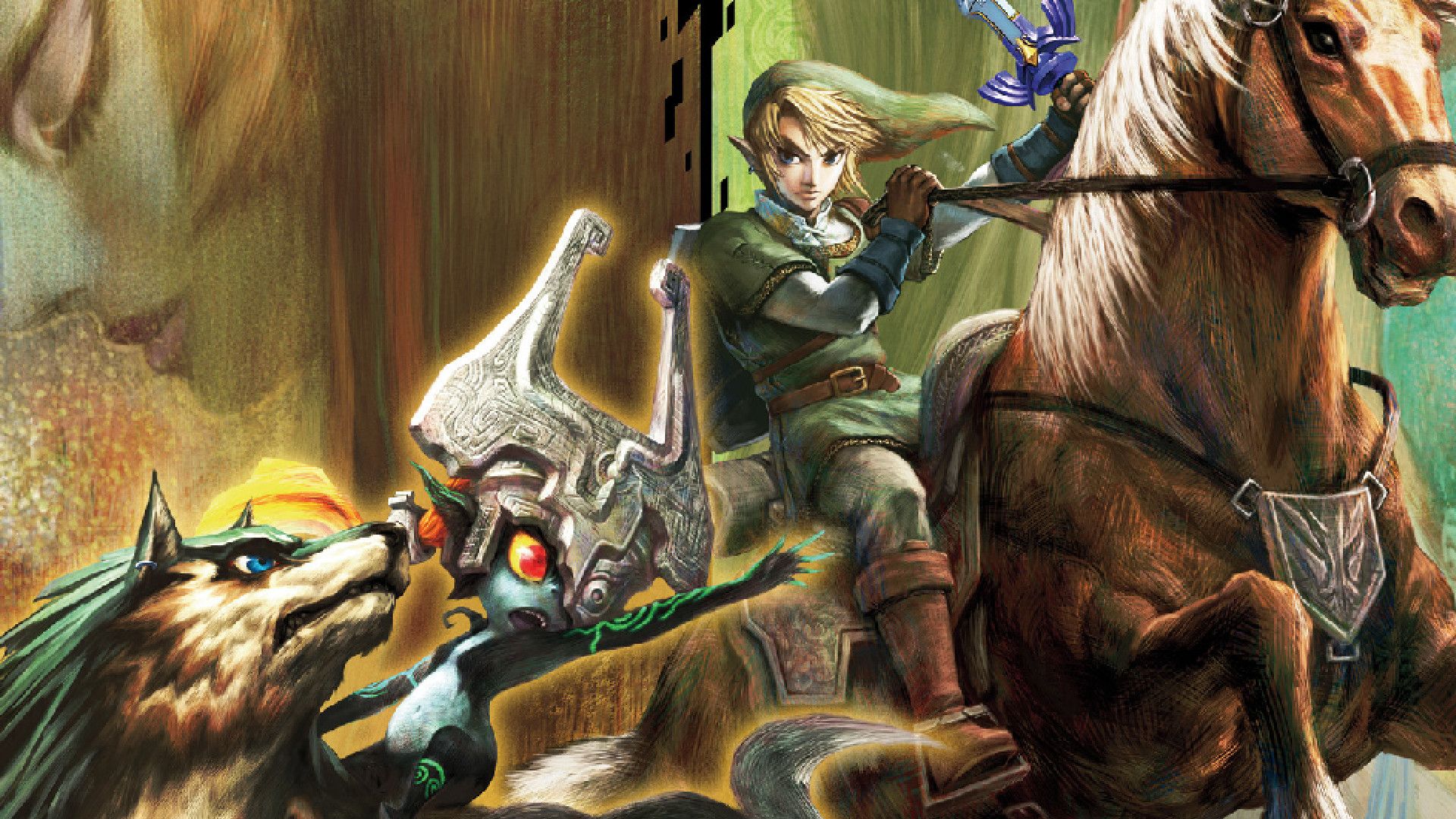
- Game: The Legend of Zelda
- Developer: Nintendo
- Key Figures: Eiji Aonuma, Shigeru Miyamoto
- Notable Titles: Twilight Princess, The Wind Waker, Ocarina of Time
The professional relationship between Eiji Aonuma and Shigeru Miyamoto has defined the trajectory of The Legend of Zelda for decades, yet the series almost lost one of its most prominent leaders early in his tenure. While Aonuma is now synonymous with the franchise, historical records indicate he once sought to move on to other projects following his work on The Wind Waker and previous entries. This report examines the development history and career insights that led to his continued involvement in the series, including his transition toward the production of Twilight Princess.
Eiji Aonuma Zelda Development History and Career Insights
Eiji Aonuma’s journey with Nintendo is marked by his steady climb through the ranks of the Zelda development team. Before becoming the face of the franchise, he contributed to several foundational entries that shifted the series' design language. Aonuma’s initial involvement included serving as one of the directors for The Legend of Zelda: Ocarina of Time, followed by leadership roles on The Legend of Zelda: Majora's Mask and The Legend of Zelda: The Wind Waker. By the mid-2000s, Aonuma felt that his creative capacity for the series had reached a natural conclusion.
In the June 2005 issue of Edge Magazine, Aonuma reflected on his desire to depart from the series. He noted that after working on three distinct titles, he believed he had exhausted his potential contributions. "I thought I had done almost everything I could," Aonuma stated. He approached Shigeru Miyamoto with the request to graduate from the series, hoping to explore different creative avenues. Miyamoto initially agreed to the request, but the subsequent assignment proved that Aonuma’s history with the series was far from over.
Why Did Shigeru Miyamoto Assign Eiji Aonuma to Twilight Princess?
The transition from director to producer for Aonuma was a strategic decision made by Miyamoto. When Aonuma expected to move on to a new project, Miyamoto instead tasked him with overseeing the development of The Legend of Zelda: Twilight Princess. Miyamoto’s reasoning was specific: he wanted Aonuma to distance himself from the granular, day-to-day design tasks to gain a broader perspective on the development process. By moving into a producer role, Aonuma was intended to oversee the project from a higher-up position, allowing him to manage the scope of the game more effectively.
This shift marked a turning point in the internal structure of Nintendo’s development teams. Although Aonuma was still credited as a director for Twilight Princess, the production role allowed him to influence the game's direction without being tethered to every individual design decision. This change in responsibility helped establish the leadership model that has persisted for the franchise throughout the 2010s and into 2026.
The Inescapable Fate of Zelda Development
Despite his initial desire to leave, Aonuma eventually accepted that his career was fundamentally linked to the series. He noted that even his early non-Zelda projects, such as the Japan-only Super NES title Marvelous, shared structural similarities with the Zelda formula. This realization led him to conclude that his creative output was naturally gravitating toward the adventure-RPG genre that defined the franchise.
Aonuma described this realization in his later interviews, noting that "the fact of the matter is I am more and more involved in The Legend of Zelda, and sometimes I think it is a kind of fate for me." Since the release of The Legend of Zelda: Phantom Hourglass in 2007, Aonuma has served as the producer on every major entry in the series. His tenure as producer has spanned multiple hardware generations, including the Nintendo 3DS, Wii U, and the Nintendo Switch.
Career Milestones and Series Evolution
The following table outlines the progression of the series under Aonuma’s guidance as reported by In Game News:
| Role | Primary Responsibility |
|---|---|
| Director | Ocarina of Time, Majora's Mask, The Wind Waker |
| Producer | Phantom Hourglass, Twilight Princess (Transition), and subsequent titles |
For more updates on the franchise, check out our Nintendo news coverage or explore our Zelda series archives to see how these leadership decisions influenced later titles. Our coverage at In Game News continues to track how these historical shifts in management dictate the current development standards for modern titles.
Frequently Asked Questions
Did Eiji Aonuma want to leave The Legend of Zelda series?
Yes, early in his career, Eiji Aonuma requested to graduate from The Legend of Zelda series because he felt he had exhausted his creative contributions to the franchise.
Why did Shigeru Miyamoto assign Eiji Aonuma to Twilight Princess?
Shigeru Miyamoto assigned Aonuma to produce The Legend of Zelda: Twilight Princess to shift his perspective from hands-on direction to a higher-level oversight role.
Did Eiji Aonuma work on The Legend of Zelda: Wind Waker?
Yes, Eiji Aonuma served as a director for The Legend of Zelda: The Wind Waker before transitioning into a producer role for subsequent titles.
Lego Is Retiring Its Legend Of Zelda Great Deku Tree Set in 2026Action
The Legend of Zelda Movie Official Release Date Set for April 30, 2026Action
Nintendo Updates Live-Action The Legend of Zelda Movie Release Date f...Action
Champion Cody Rhodes Reveals Nintendo Cease and Desist Over Zelda Logo